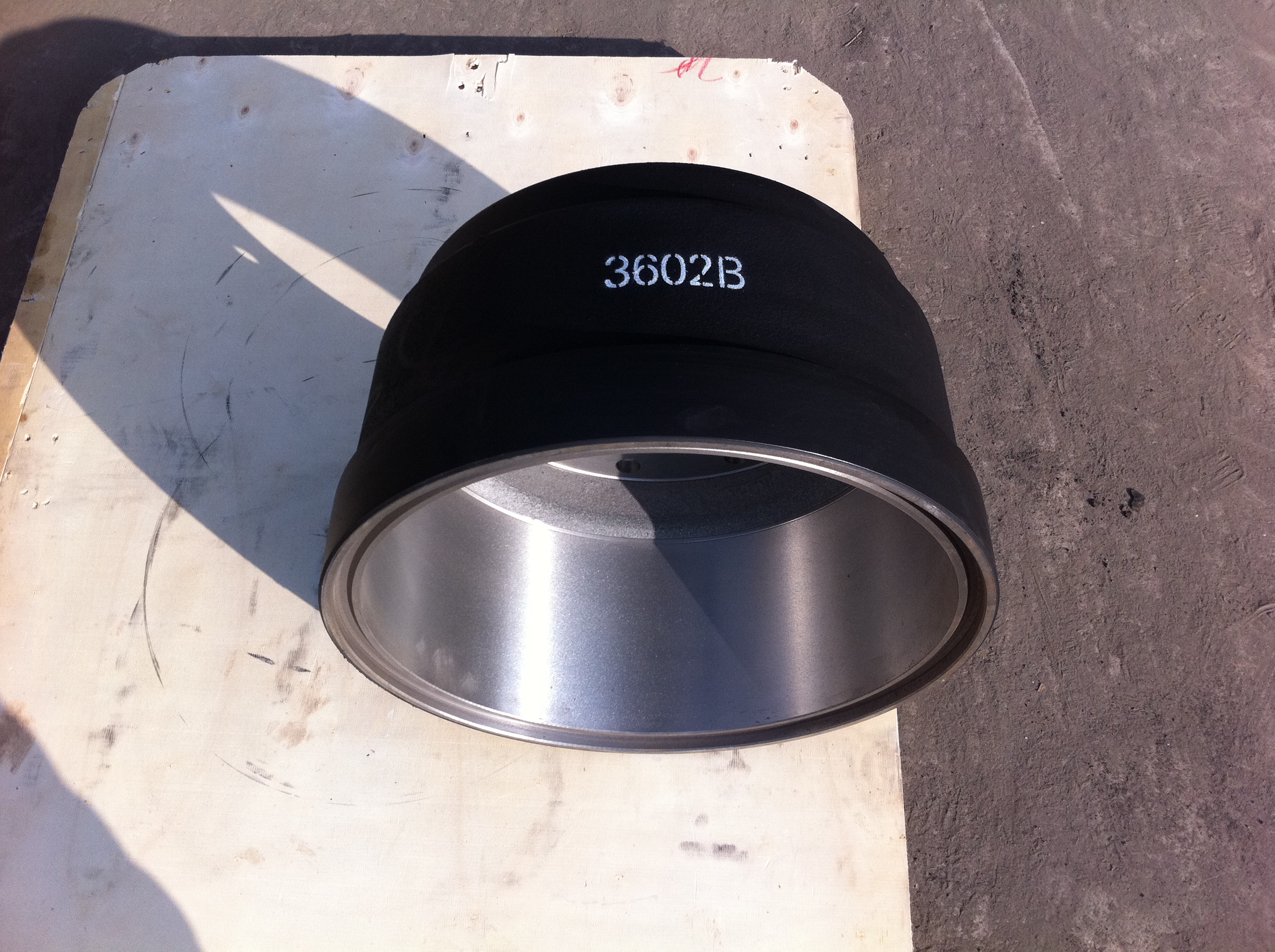
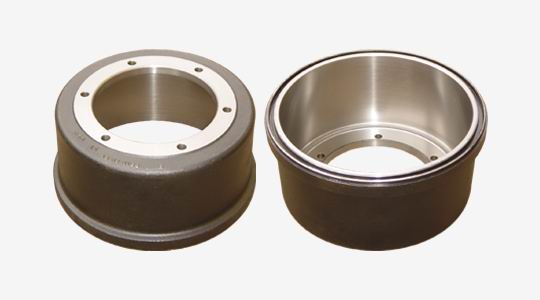
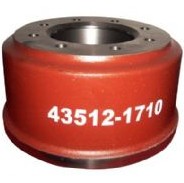
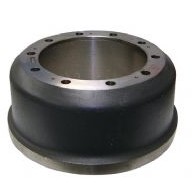
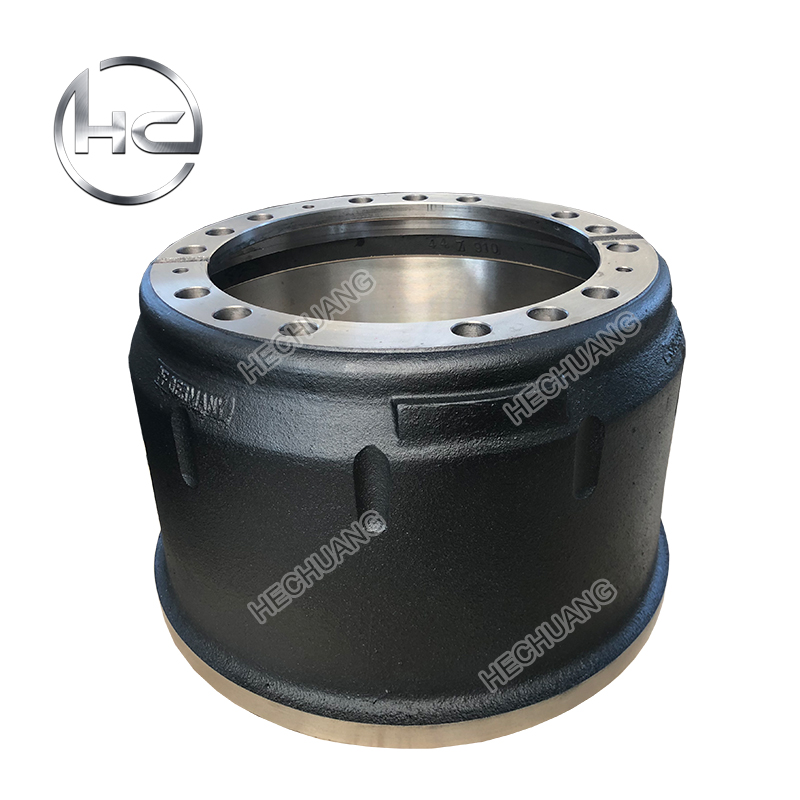
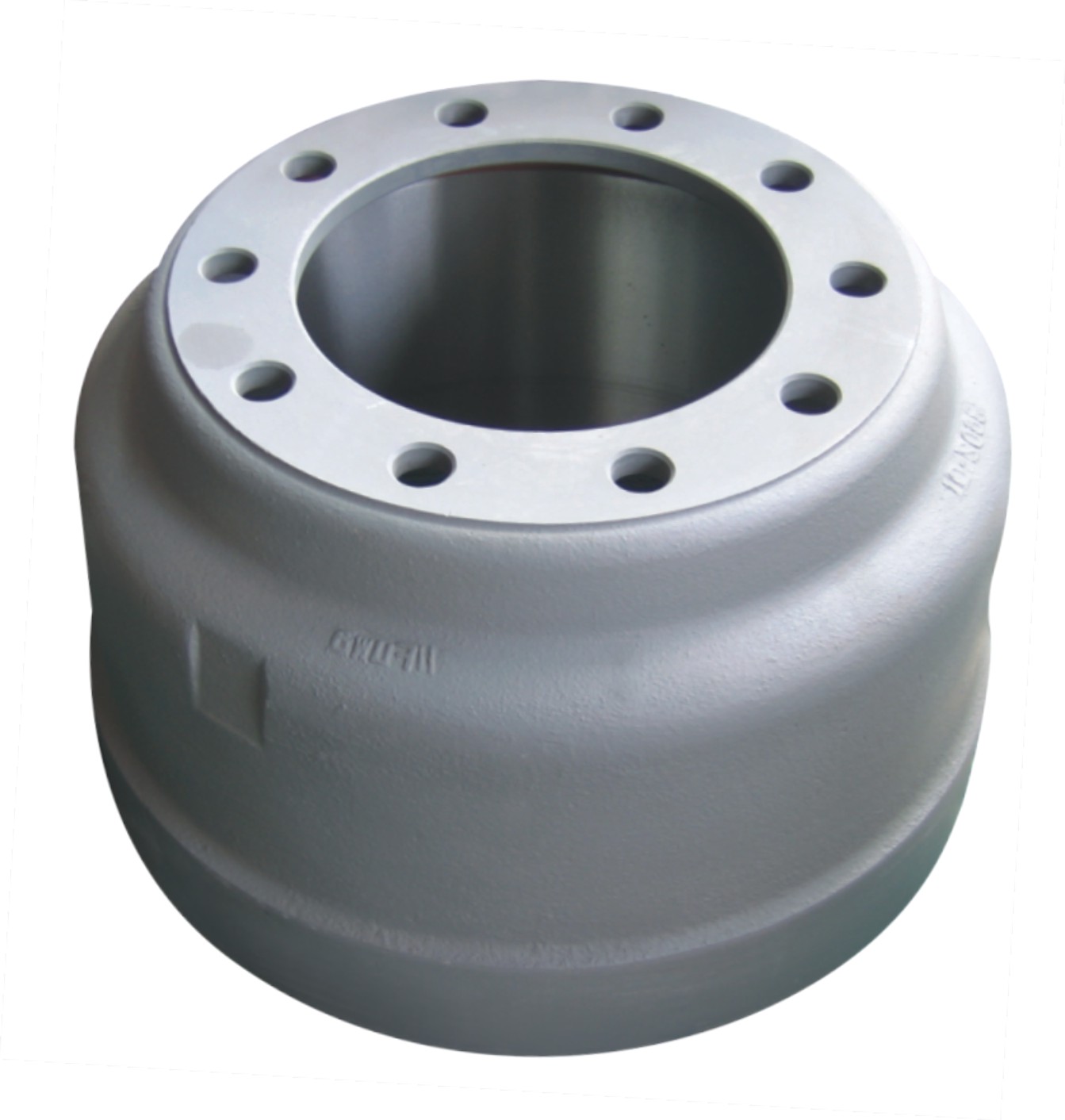
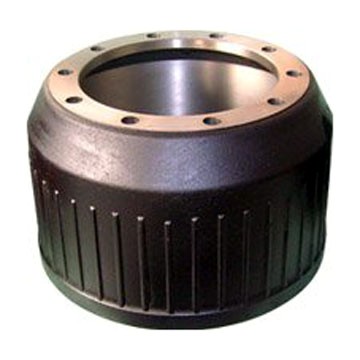
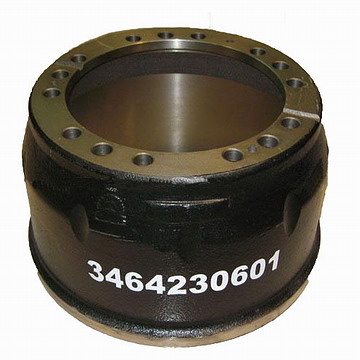
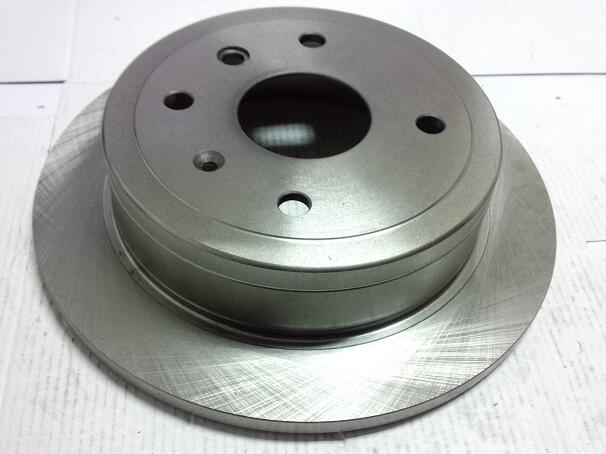
Brake Drums
Source premium brake drums from vetted manufacturers and wholesale suppliers across Asia. Built for automotive importers, aftermarket distributors, and brands requiring reliable OEM and private-label production. Ensure strict material compliance and competitive bulk pricing for your auto parts supply chain.
Sourcing heavy automotive components like brake drums in volume requires balancing fluctuating raw material costs with non-negotiable safety standards. The primary challenge isn't merely finding an iron foundry with available capacity; it is securing a manufacturing partner capable of consistent metallurgy, precise CNC machining, and rigorous dynamic balancing across high-volume production runs.
For aftermarket distributors and automotive brands, a single batch of poorly cast drums can lead to catastrophic failure, severe vibration, and expensive product recalls. Success in this category demands deep oversight of the factory floor, from the initial sand casting to the final anti-rust coating.
Metallurgy and Material Specifications
The foundation of a reliable brake drum is its material composition. Most passenger and light commercial vehicle drums are manufactured using gray cast iron due to its excellent thermal conductivity, vibration damping, and wear resistance.
When negotiating with suppliers, you must specify the exact material grade rather than accepting a generic "cast iron" designation. The Chinese domestic standard is typically HT250, which closely aligns with the North American G3000 standard.
| Specification | HT250 (China Standard) | G3000 (US Standard) |
|---|---|---|
| Tensile Strength | Min 250 MPa | Min 207 MPa |
| Brinell Hardness | 187–241 HB | 187–241 HB |
| Carbon Content | 3.1% – 3.4% | 3.1% – 3.4% |
Suppliers cutting corners will often use lower-grade scrap iron or fail to control the cooling rate after casting. Poor cooling leads to uneven hardness, making the drum difficult to machine and prone to warping under heavy braking temperatures.
Manufacturing Process and Defect Control
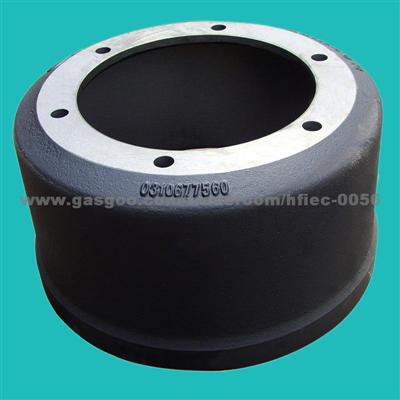
Brake drum production involves sand casting followed by precision machining. Defects introduced during casting cannot be fixed during the machining phase.
Critical Quality Control Checkpoints
- Porosity and Shrinkage: Ensure the factory uses ultrasonic or X-ray testing to detect internal air pockets.
- Dynamic Balancing: Unbalanced drums cause severe steering wheel vibration. Balancing weights or cuts must be precisely applied.
- Machining Tolerances: Radial runout must be kept under 0.05mm to ensure even brake shoe contact.
- Surface Finish: The braking surface requires a specific roughness (Ra) to bed in properly with the brake shoes.
Because defects are often hidden beneath the surface, executing strict Quality Control & Inspection prior to shipment is vital. In-line inspections during the machining phase are particularly effective at catching runout issues before the drums are painted and packaged.
Struggling with inconsistent casting quality? Let our sourcing engineers evaluate your current supply chain.
Get a free consultationOEM Production and Customization
For brands looking to develop proprietary aftermarket lines or heavy-duty performance upgrades, working with foundries that offer robust OEM/ODM Services is essential.
Customization typically involves unique fin designs for better heat dissipation or specialized anti-corrosion treatments (such as Geomet coating or high-temperature powder coating). If you are introducing a new fitment, you will need to finance the creation of a new sand casting mold. Ensure that your manufacturing agreement clearly dictates that you retain ownership of this tooling, preventing the factory from selling your proprietary designs to competitors.
Buying Mechanics: MOQs, Lead Times, and Pricing
Brake drums are low-margin, high-weight items. The unit price is heavily dictated by the current global cost of pig iron and scrap steel. Because of the weight, ocean freight consolidation and efficient container loading are just as critical to your landed cost as the factory's FOB price.
When evaluating new suppliers, verify their environmental compliance. Foundries in Asia are subject to strict emissions regulations; non-compliant factories face sudden government shutdowns, stalling your production. Conducting comprehensive Factory Audits ensures your chosen supplier has the modern equipment, legal standing, and environmental permits required for stable, long-term production.
Ready to secure reliable, high-volume brake drum production? We manage the entire process from factory vetting to final delivery.
Talk to our teamFrequently Asked Questions
Sourcing brake drums successfully requires looking past the initial FOB quote. The true cost of an automotive component includes the reliability of the metallurgy, the precision of the machining, and the stability of the factory's operations. Partnering with a team that understands foundry mechanics and international freight will protect your margins and your brand's reputation.
Get Sourcing Help for Brake Drums
Tell us your requirements and our experts will connect you with verified manufacturers.