Brake Discs
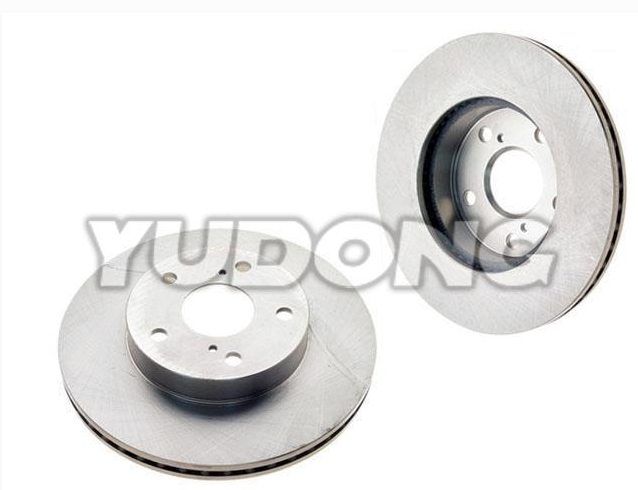
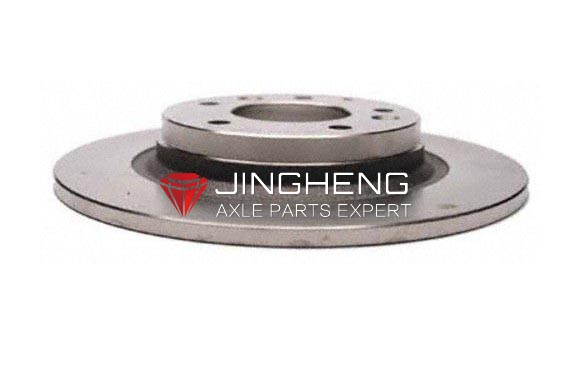
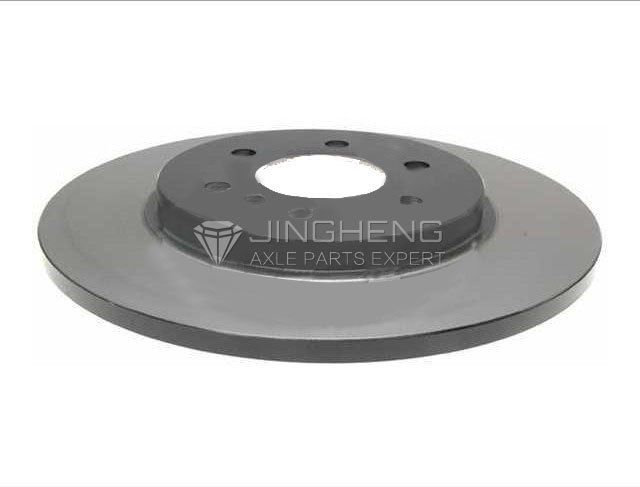
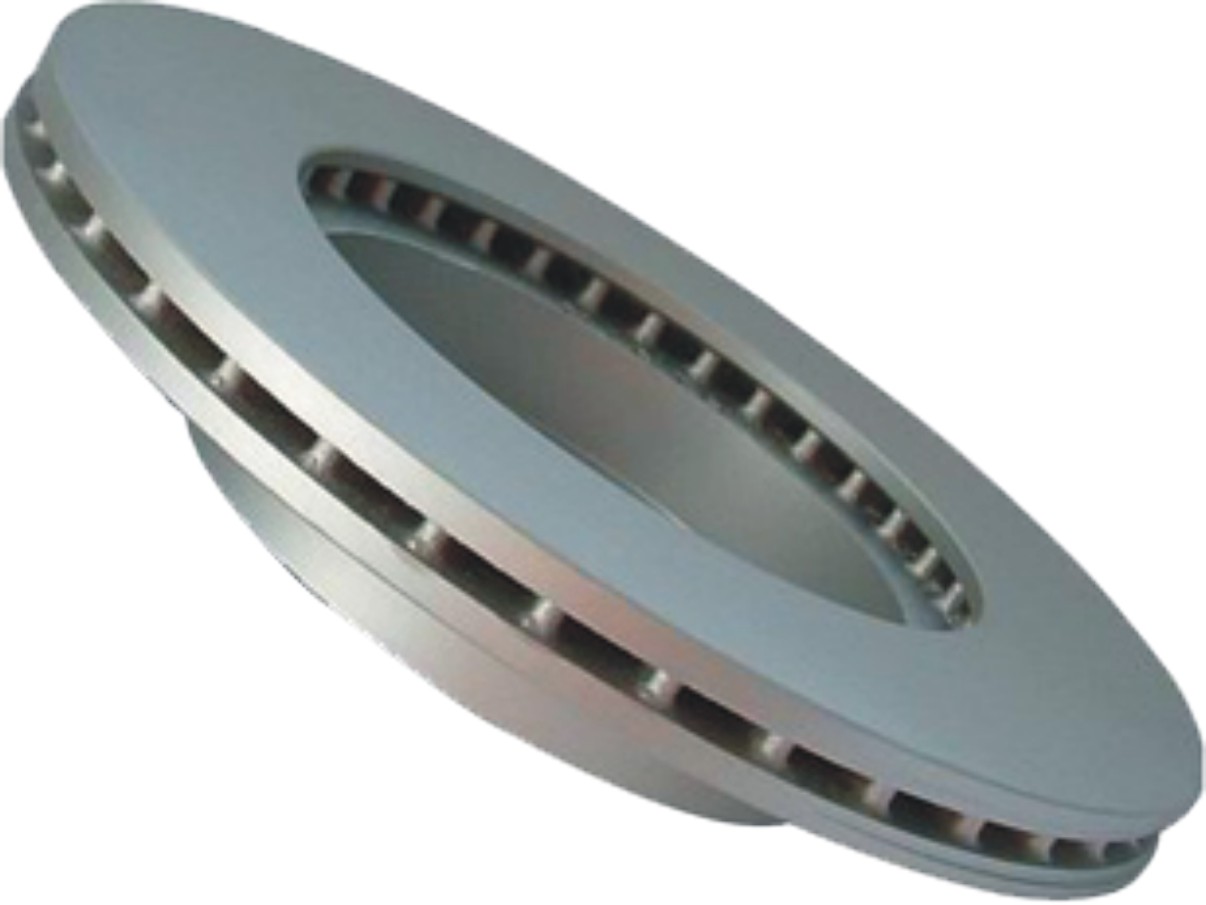
Source premium wholesale Brake Discs from vetted manufacturers and suppliers across Asia. Designed for automotive parts distributors, importers, and aftermarket brands, our network supports high-volume OEM and private-label production. Ensure strict safety compliance, precision metallurgy, and consistent braking performance with every shipment.
Sourcing automotive brake discs requires balancing aggressive aftermarket price points with zero-compromise safety and performance standards. The core challenge is identifying foundries that maintain strict metallurgical control during the casting process and tight precision tolerances during CNC machining. A failure in either phase results in brake judder, excessive noise, or catastrophic cracking under thermal load.
Metallurgy and Material Specifications
The foundation of a reliable brake disc is its metallurgy. While most standard passenger vehicle rotors are cast from grey iron, the specific grade and carbon content dictate the rotor's thermal capacity and NVH (Noise, Vibration, and Harshness) characteristics.
When establishing your specifications with a factory, standardizing the material grade is your first line of defense against premature wear.
| Material Grade | Tensile Strength | Key Characteristics | Typical Application |
|---|---|---|---|
| G3000 / HT250 | Min 250 MPa | Good machinability, standard heat dissipation | Standard aftermarket replacements |
| High-Carbon Iron | Min 200 MPa | Superior thermal conductivity, dampens vibration | Premium aftermarket, performance vehicles |
| Alloyed Cast Iron | Varies by alloy | Enhanced with Molybdenum or Chromium for crack resistance | Heavy-duty or commercial fleets |
Watch for Scrap Iron Ratios
Many lower-tier foundries aggressively use recycled scrap iron to cut costs. If the scrap is not properly sorted and the melt is not strictly monitored via spectrometry, the resulting casting will suffer from hard spots (carbides) that destroy machining tools and cause uneven pad wear.
Machining Tolerances and Quality Control
Casting the blank is only half the process; precision machining dictates how the disc performs on the vehicle. Rotors must be machined to exact tolerances to prevent pedal pulsation. When setting up quality control protocols, mandate strict limits on these specific measurements:
Critical Machining Tolerances to Verify
- Disc Thickness Variation (DTV): Must be kept under 0.015 mm to prevent brake judder.
- Lateral Runout: Should not exceed 0.05 mm to ensure smooth rotation and even pad contact.
- Surface Roughness (Ra): Typically targeted between 1.6 and 3.2 micrometers for optimal pad bed-in.
- Dynamic Balancing: Mill-balancing or clip-balancing to correct weight distribution, usually to a tolerance of 10 g.cm.
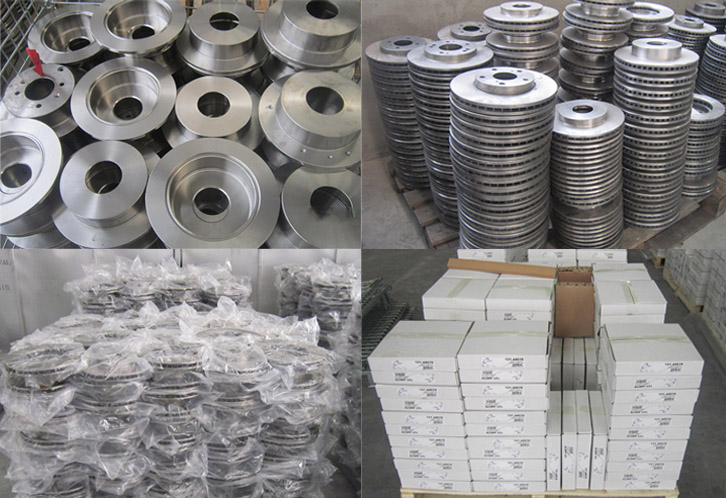
Assessing a supplier's capability to maintain these tolerances requires looking at their production lines. Automated DISA casting lines paired with multi-axis CNC machining centers offer far greater consistency than manual operations. Conducting thorough factory audits before committing to a high-volume order is critical to verify the actual machinery on the floor.
Need to verify a brake disc foundry's casting and machining capabilities? Merhein's engineers can audit suppliers on your behalf to ensure they meet strict automotive standards.
Talk to our teamSurface Treatments and Coatings
To prevent corrosion during transit and extend the shelf life of the product, brake discs require surface treatments. The choice of coating impacts both aesthetics (important for premium brands) and environmental compliance.
- Geomet / Dacromet: Environmentally friendly, chromium-free coatings that offer excellent salt-spray resistance. Geomet is the current industry standard for premium rotors.
- Zinc Plating: A cost-effective anti-rust solution, though it offers less thermal resistance than Geomet.
- UV Paint: Often applied to the hat and vanes of the rotor. It cures quickly on the production line and provides a clean look for custom OEM/ODM services.
- Oiled: The cheapest method, requiring the end-user or mechanic to clean the rotor with brake fluid prior to installation. Rapidly falling out of favor in mature markets.
Sourcing Mechanics: MOQs, Pricing, and Tooling
Brake disc manufacturing is a volume-driven industry. Foundries require sufficient scale to justify setting up the casting molds and programming the CNC lines.
Pricing is highly volatile and directly tied to the global commodity price of raw pig iron and steel scrap, as well as local energy costs for the induction furnaces. When negotiating long-term contracts, it is standard practice to index the unit price to raw material costs, ensuring fair adjustments for both buyer and supplier.
Struggling with inconsistent pricing or quality fade from your current suppliers? Let Merhein negotiate and secure your brake disc supply chain.
Get a free consultationFrequently Asked Questions
Successfully sourcing brake discs at scale requires moving beyond simple price comparisons. The real value is found by partnering with foundries that treat metallurgy and machining as exact sciences, ensuring your brand is never compromised by a failing part. Working with experienced sourcing professionals helps bridge the gap between your engineering requirements and the factory's production realities.
Get Sourcing Help for Brake Discs
Tell us your requirements and our experts will connect you with verified manufacturers.