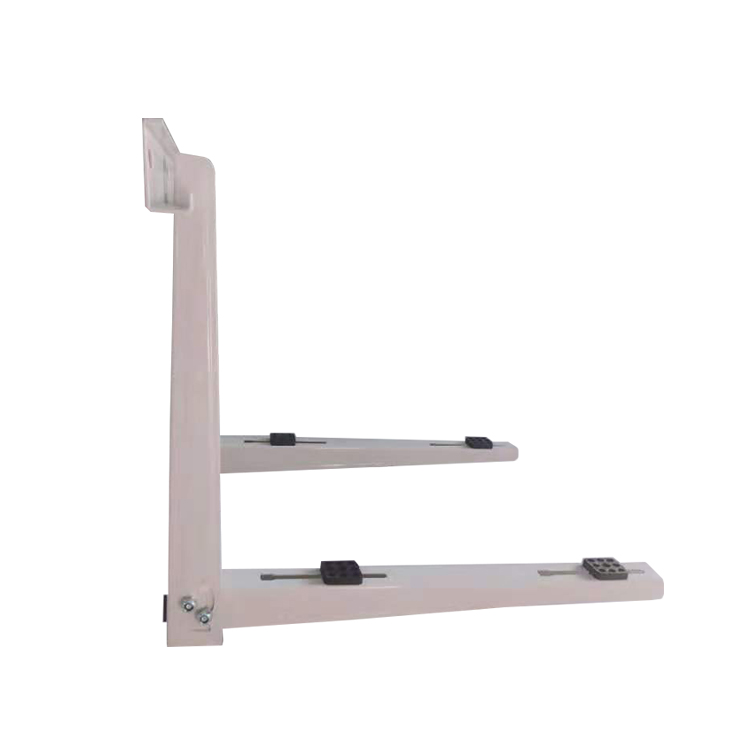
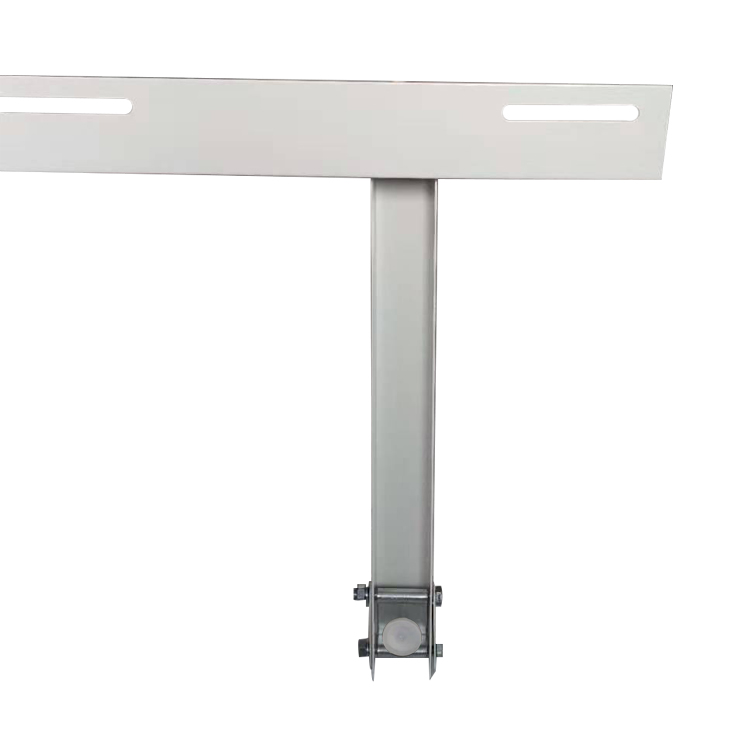
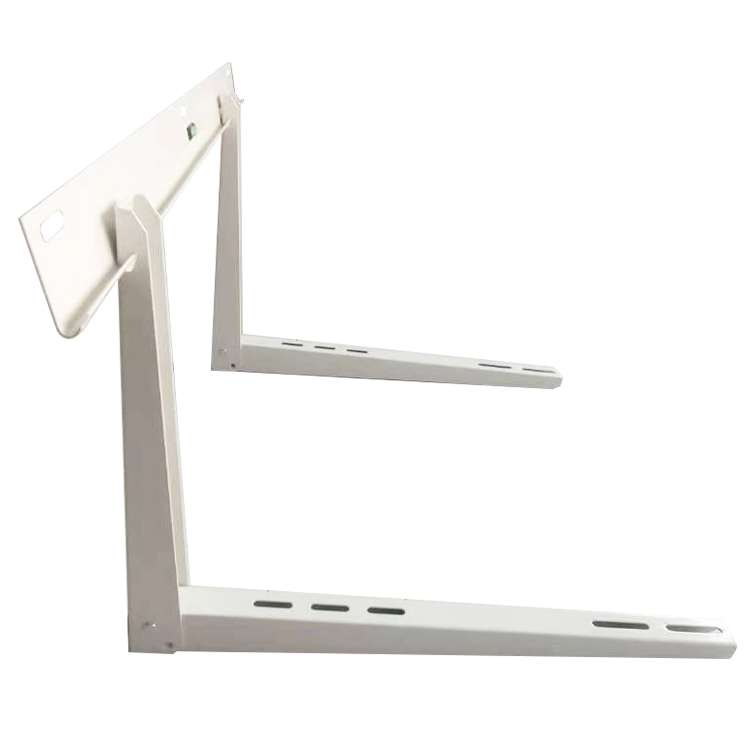
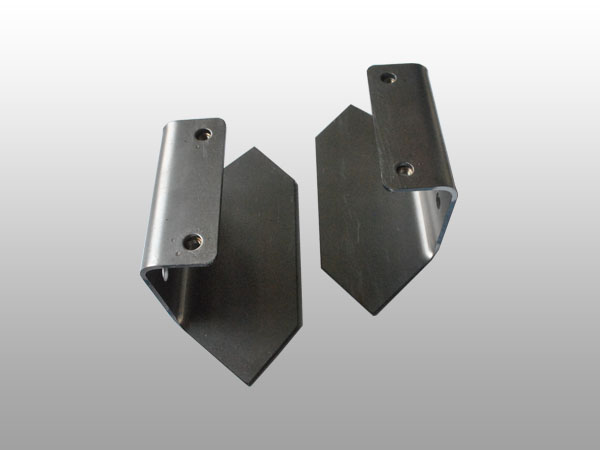
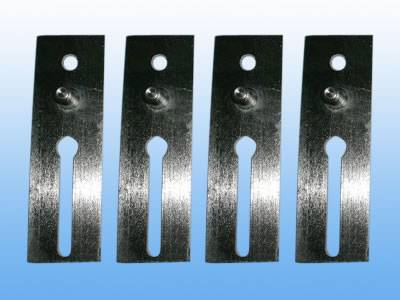
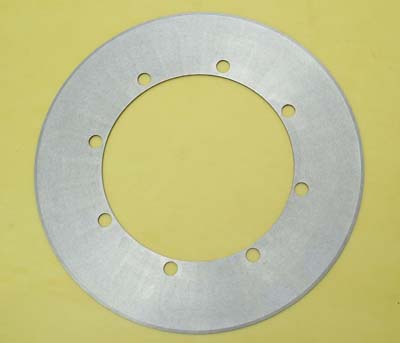
Brackets
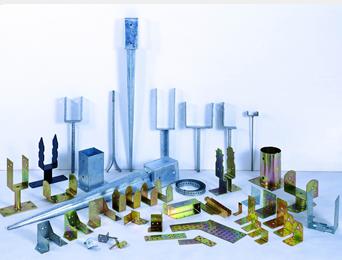
Source commercial and industrial brackets from vetted suppliers and manufacturers. Designed for hardware importers, wholesalers, distributors, and brands requiring reliable bulk purchasing or custom OEM production, this catalog connects you with factory-direct pricing. Streamline your procurement with rigorous quality control and scalable manufacturing.
Sourcing hardware brackets at scale requires balancing unit cost with strict load-bearing requirements and precise dimensional tolerances. Whether you are procuring heavy-duty structural supports or specialized mounting hardware, the core challenge lies in ensuring consistent material grade, fabrication accuracy, and surface finish across high-volume production runs. A slight deviation in bend radius or plating thickness can compromise structural integrity or lead to premature corrosion in the field.
Manufacturing Processes and Material Selection
The production method and material grade dictate both the unit economics and the mechanical performance of the bracket. Most commercial brackets are produced using cold-rolled steel (like SPCC or Q235), stainless steel (304 or 316 for corrosive environments), or extruded aluminum alloys.
For custom designs, the choice of fabrication process heavily impacts upfront investment and scalability. If you are developing proprietary hardware, leveraging professional OEM/ODM Services ensures your designs are optimized for the most cost-effective production method without sacrificing structural integrity.
| Fabrication Method | Tooling Investment | Unit Cost | Optimal Volume |
|---|---|---|---|
| Progressive Stamping | High (Custom Dies) | Very Low | High Volume (10,000+ units) |
| Laser Cutting & CNC Bending | Minimal | Moderate to High | Low to Medium Volume |
| Die Casting (Zinc/Aluminum) | Very High | Low | High Volume Complex Shapes |
When evaluating a new manufacturing partner, it is critical to verify their machinery capabilities. Stamping presses must have adequate tonnage to handle your specified material thickness without causing micro-fractures along the bend lines. Conducting thorough Factory Audits before committing to tooling can reveal whether a supplier maintains their dies properly and has the necessary equipment to meet your tolerance requirements.
Need help verifying a factory's technical capabilities and production capacity?
Talk to our teamCritical Quality Control Checkpoints
Quality control in bracket manufacturing extends far beyond verifying dimensions. Failures often occur due to poor surface treatment or improper stress relief during forming. Implementing a robust Quality Control & Inspection protocol at the factory level is essential to catch defects before shipment.
Pre-Shipment Inspection Focus Areas
- Dimensional accuracy: Verify hole spacing, diameters, and overall dimensions against CAD files.
- Bend angles and radii: Check for consistency and inspect for micro-cracking along the outer radius.
- Surface finish integrity: Ensure powder coating or zinc plating meets specified micron thickness to prevent rust.
- Edge finishing: Confirm complete deburring to eliminate sharp edges or slag from laser cutting.
- Load testing: Conduct sample batch testing to verify yield strength and deformation limits.
Watch Out for Material Substitution
A common issue in metal fabrication is the unauthorized substitution of lower-grade steel to cut costs. Always specify the exact material grade and require mill test certificates or third-party metallurgical testing for critical load-bearing applications.
Pricing Drivers, MOQs, and Lead Times
Bracket pricing is primarily driven by raw material costs (which fluctuate with global steel and aluminum markets), manufacturing complexity, and order volume. Tooling costs for stamped brackets are amortized over the production run, making high volumes significantly cheaper per unit.
When negotiating with suppliers, clarify who owns the custom tooling upon completion. Standard practice dictates that the buyer owns the dies once the tooling fee is paid in full, but this must be explicitly stated in the manufacturing agreement to prevent the factory from using your molds for other clients.
Optimize your tooling investments and secure better payment terms for your next production run.
Get a free consultationFrequently Asked Questions
Successful bracket sourcing relies on precise technical specifications and active oversight on the factory floor. By controlling the material inputs, standardizing the fabrication process, and enforcing rigorous pre-shipment inspections, buyers can secure reliable, high-quality hardware at scale. If managing these technical variables overseas is straining your internal resources, leveraging experienced sourcing professionals can mitigate risk and protect your margins.
Get Sourcing Help for Brackets
Tell us your requirements and our experts will connect you with verified manufacturers.