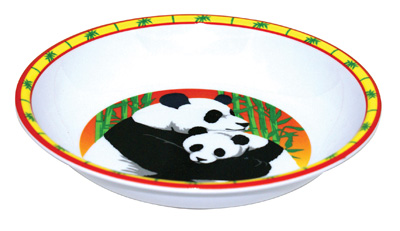
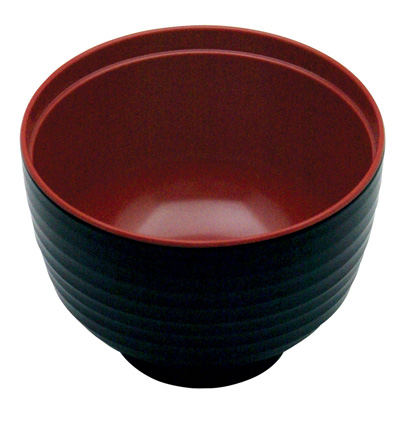
Bowls
Source high-quality bowls from vetted manufacturers and wholesale suppliers across Asia. Designed for importers, distributors, and brands seeking reliable bulk production, our supplier network supports both off-the-shelf procurement and custom OEM/ODM manufacturing at scale.
Sourcing bowls in commercial volumes requires strict attention to material composition, firing temperatures, and food-safe glazing. Whether you are stocking hospitality supply chains or launching a private-label dinnerware line, securing consistent quality at scale means looking beyond the golden sample and validating the factory's actual production capabilities and quality management systems.
Material Specifications & Manufacturing Realities
The foundation of any successful dinnerware sourcing program is aligning the material specification with the intended market. The vast majority of wholesale bowls are ceramic, but the exact composition dictates durability, water absorption, and price.
| Material | Firing Temp | Water Absorption | Primary Application |
|---|---|---|---|
| Porcelain | Over 1300°C | Under 0.5% | High-end retail, hospitality |
| Stoneware | 1100°C to 1300°C | 1% to 3% | Casual dining, rustic collections |
| Earthenware | Under 1100°C | Over 3% | Decorative, low-cost domestic |
| Melamine | Thermosetting | Zero | Commercial catering, outdoor |
When sourcing ceramics, firing temperature is the critical variable. Higher temperatures yield a harder, less porous body (vitrification) that resists chipping and prevents moisture absorption. If a supplier cuts costs by reducing kiln time or temperature, the resulting bowls may craze (develop micro-cracks in the glaze) or harbor bacteria after repeated commercial washing.
Need help matching your material specs to the right factory?
Talk to our teamGlazing, Decoration, and Quality Control
The finishing process is where most defects occur on the factory floor. Glaze application must be perfectly even to prevent pooling at the base or thinning at the rim. For patterned bowls, factories typically use either underglaze (applied before the final firing, highly durable) or overglaze decals (applied after firing, allowing for brighter colors but requiring strict heavy-metal testing).
When producing bowls with reactive glazes—where chemical reactions in the kiln create unique patterns—consistency is notoriously difficult to maintain. You must establish strict "limit samples" with the manufacturer to define the acceptable range of color and pattern variation.
Critical Factory-Floor Quality Checks for Bowls
- Warping and out-of-roundness (especially on bowls wider than 6 inches)
- Glaze defects: pinholes, crawling, blistering, or black iron spots
- Foot ring smoothness (rough bases will scratch tables and other plates)
- Thermal shock resistance (testing transition from boiling water to ice)
- Stackability and nesting consistency for storage and shipping
Catching these defects early is paramount. Implementing robust Quality Control & Inspection protocols during production, rather than just before shipping, prevents costly rework and delays.
Compliance and Food Safety Testing
Any bowl intended for food contact must comply with the destination market's regulatory standards. This is non-negotiable for importers.
- US Market: FDA regulations and California Proposition 65 (strict limits on leachable lead and cadmium).
- EU Market: LFGB standards, which are generally more stringent than FDA requirements, testing for a wider range of heavy metals and sensory changes.
Never rely solely on a supplier's historical test reports. Glaze formulations change, and raw material batches vary. Integrating third-party Compliance & Testing into your sourcing timeline ensures your specific production run is legally clear for import.
Buying Mechanics: MOQs, Lead Times, and Tooling
Pricing for wholesale bowls is driven by material grade, decoration complexity, and order volume. Tooling costs for standard shapes are negligible, but custom embossed designs or unique shapes require new plaster molds.
If you are developing a proprietary line, engaging a partner with strong OEM/ODM Services is crucial. They will help translate your technical drawings into production-ready molds while factoring in the 10-15% clay shrinkage that occurs during firing.
Ready to price out your custom dinnerware production?
Get a free consultationFrequently Asked Questions
Securing a reliable supply chain for bowls requires balancing material science with rigorous factory oversight. By setting clear technical specifications, defining strict limit samples, and enforcing pre-shipment testing, professional buyers can mitigate risk and maintain consistent product quality across every container.
Get Sourcing Help for Bowls
Tell us your requirements and our experts will connect you with verified manufacturers.