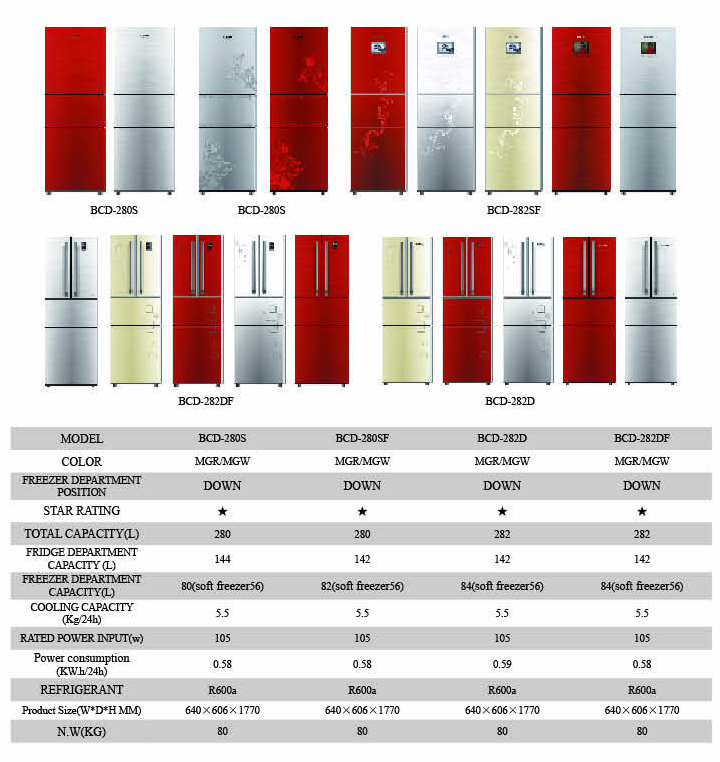
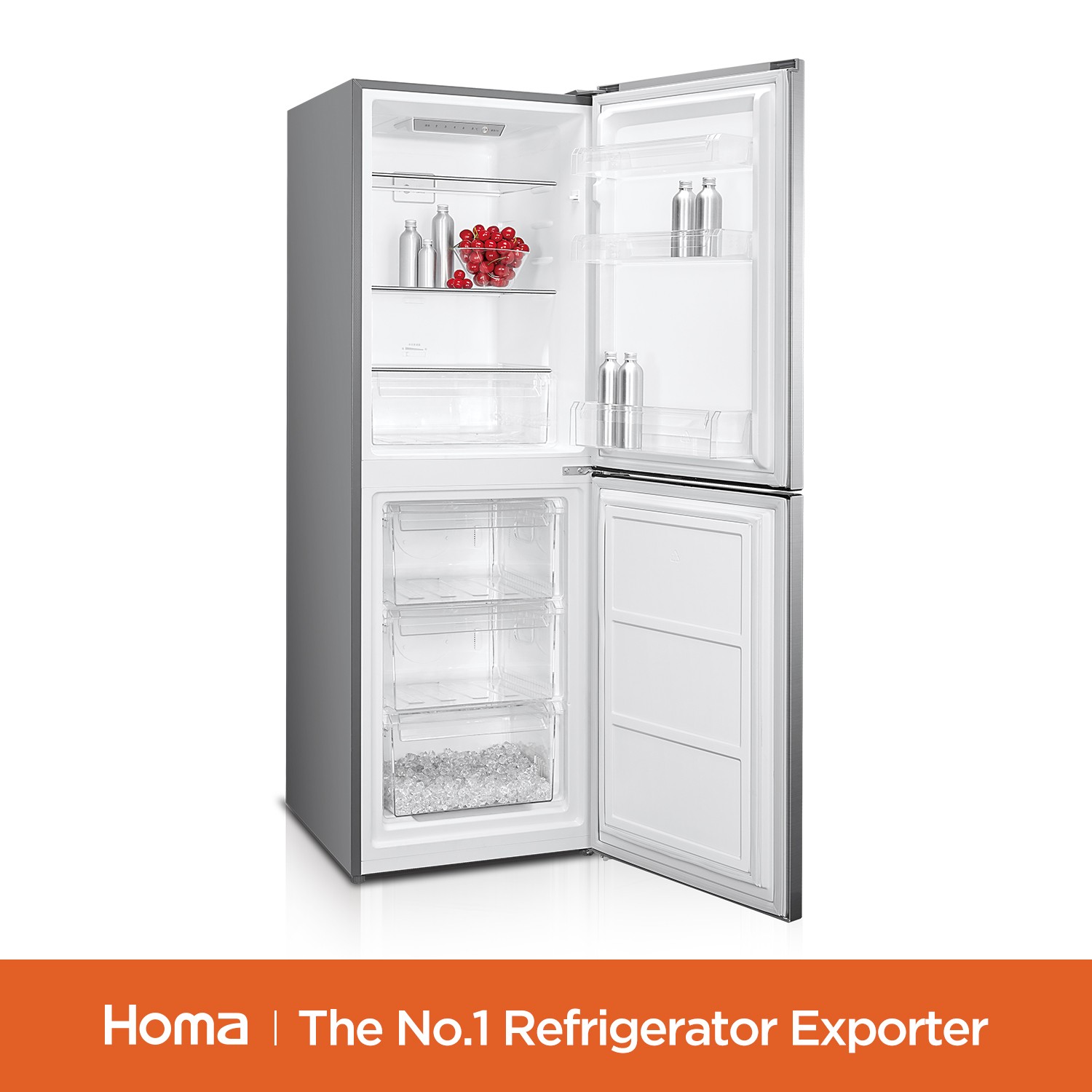
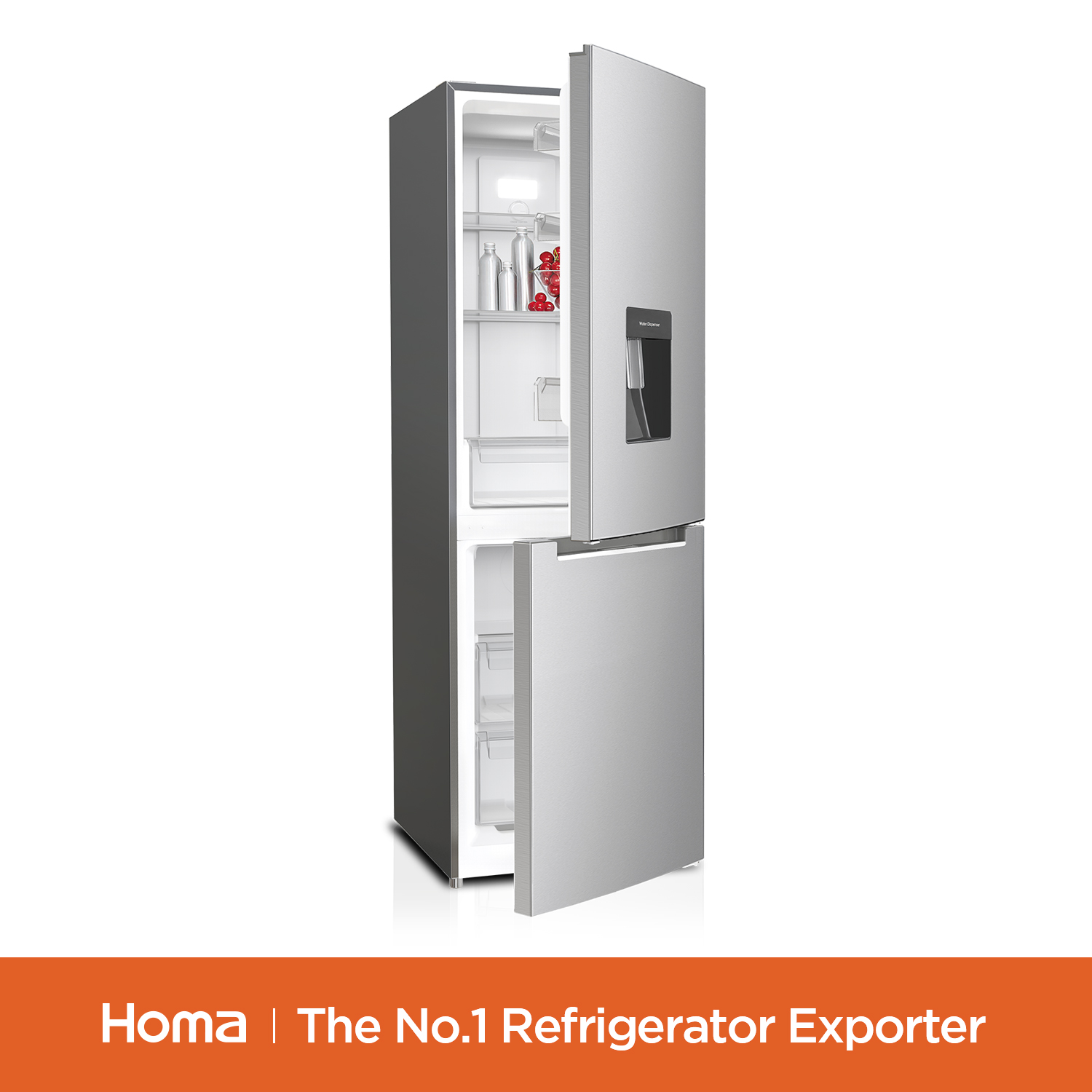
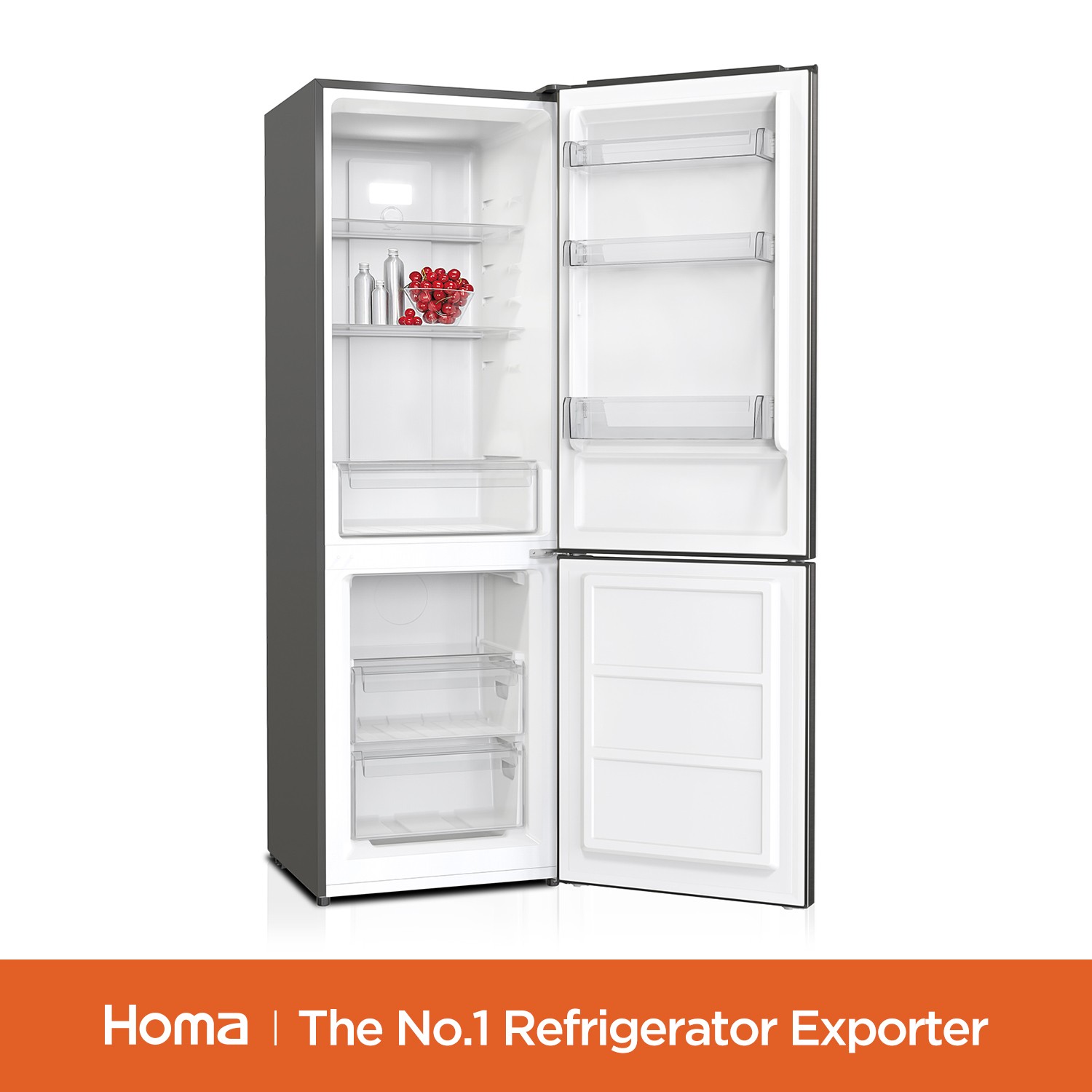
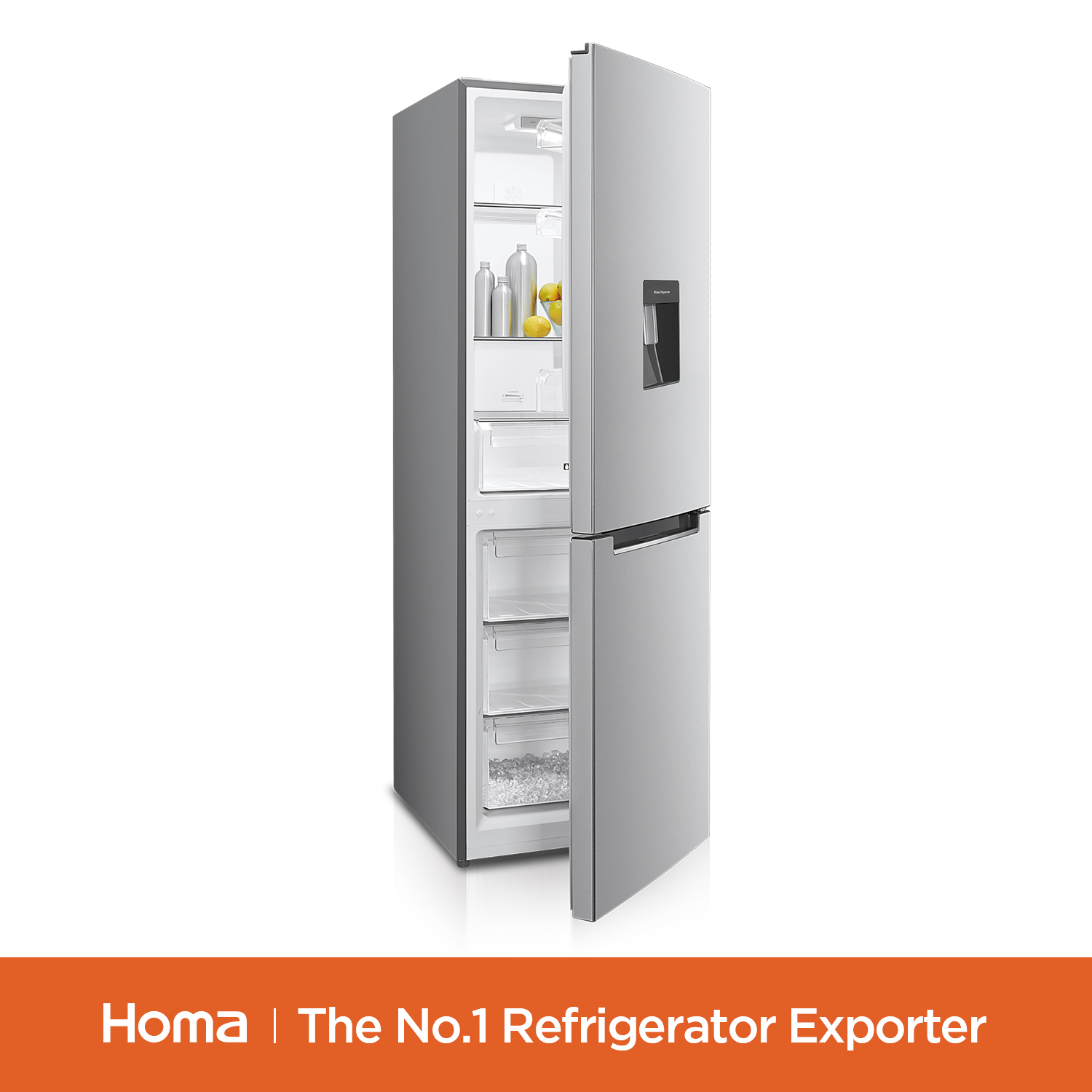
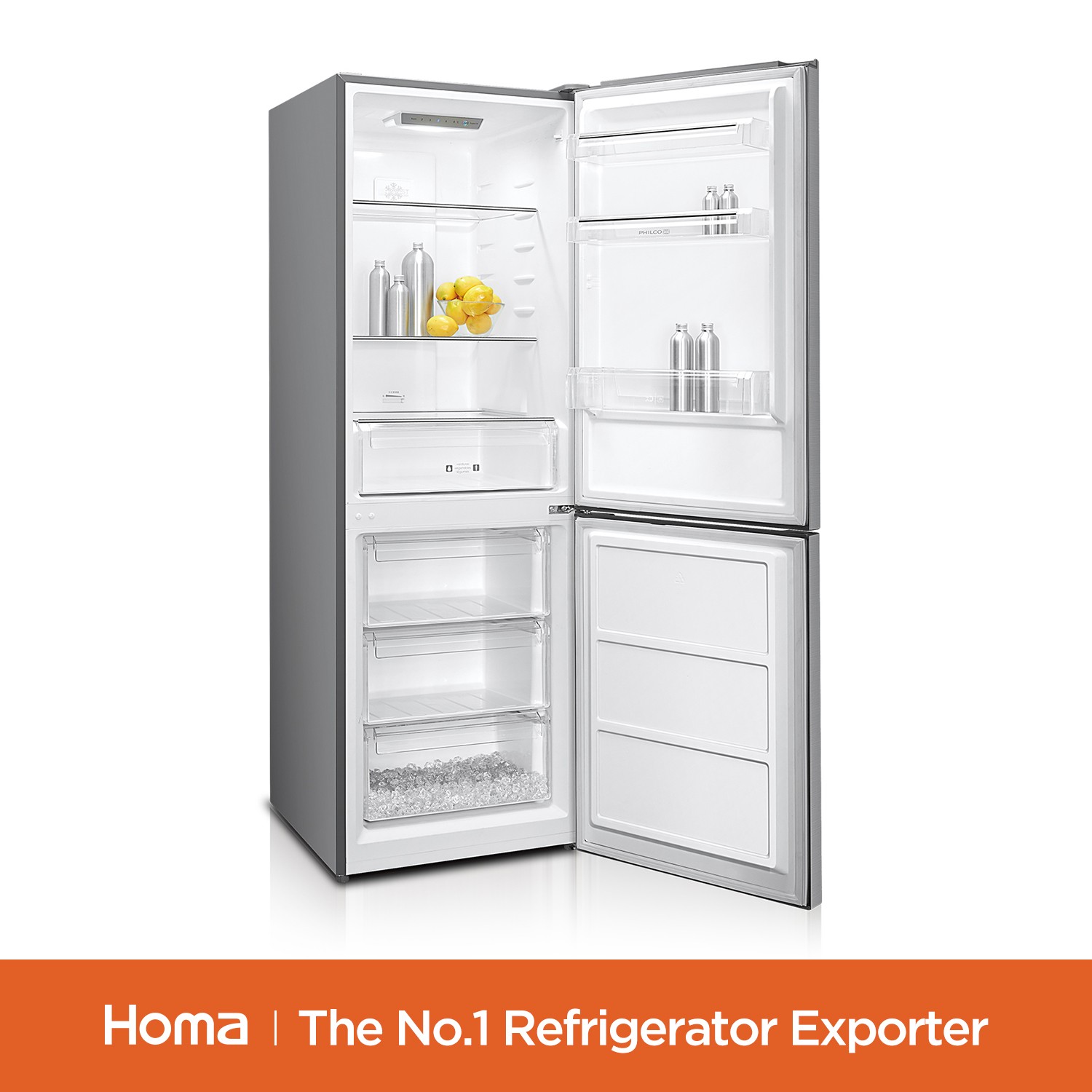
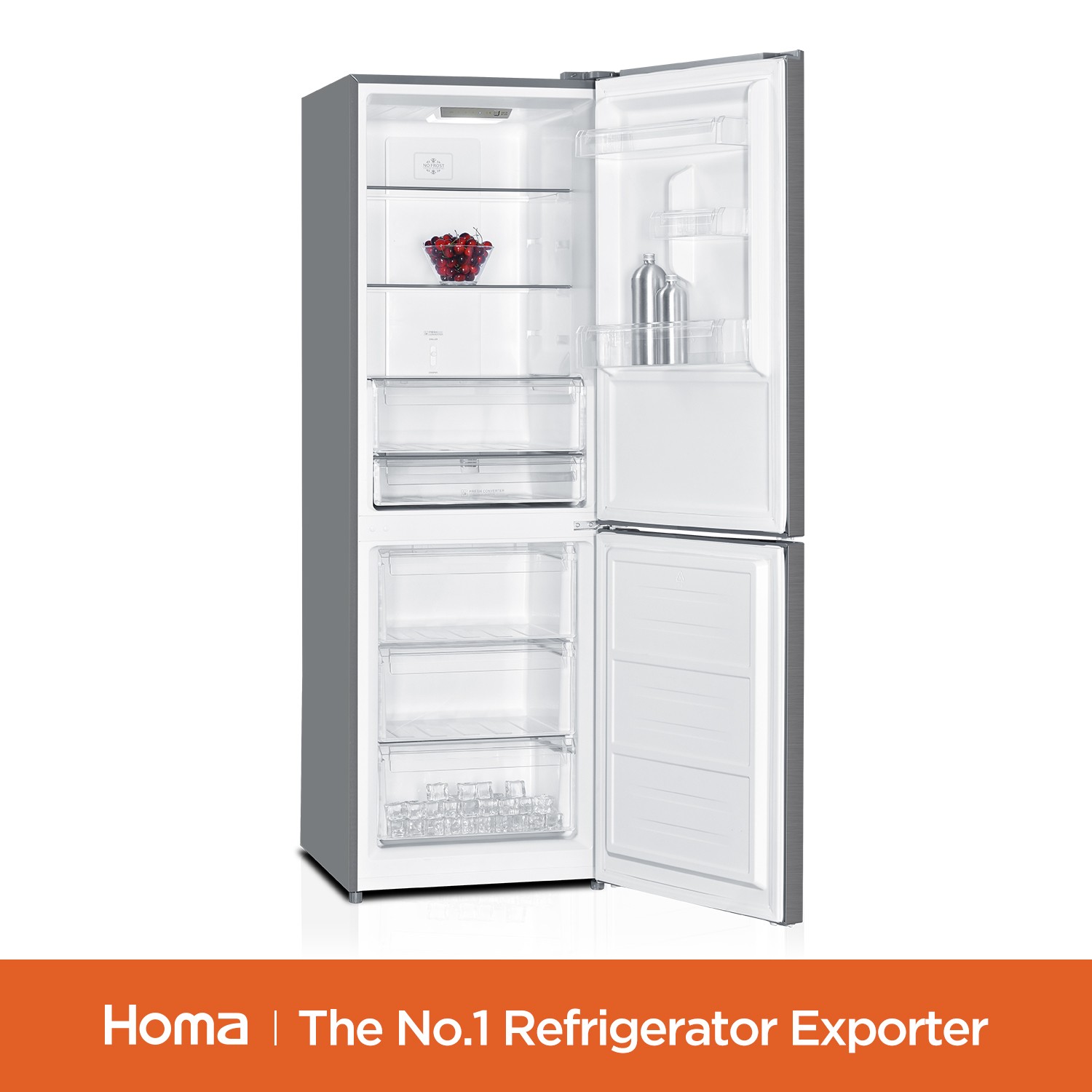
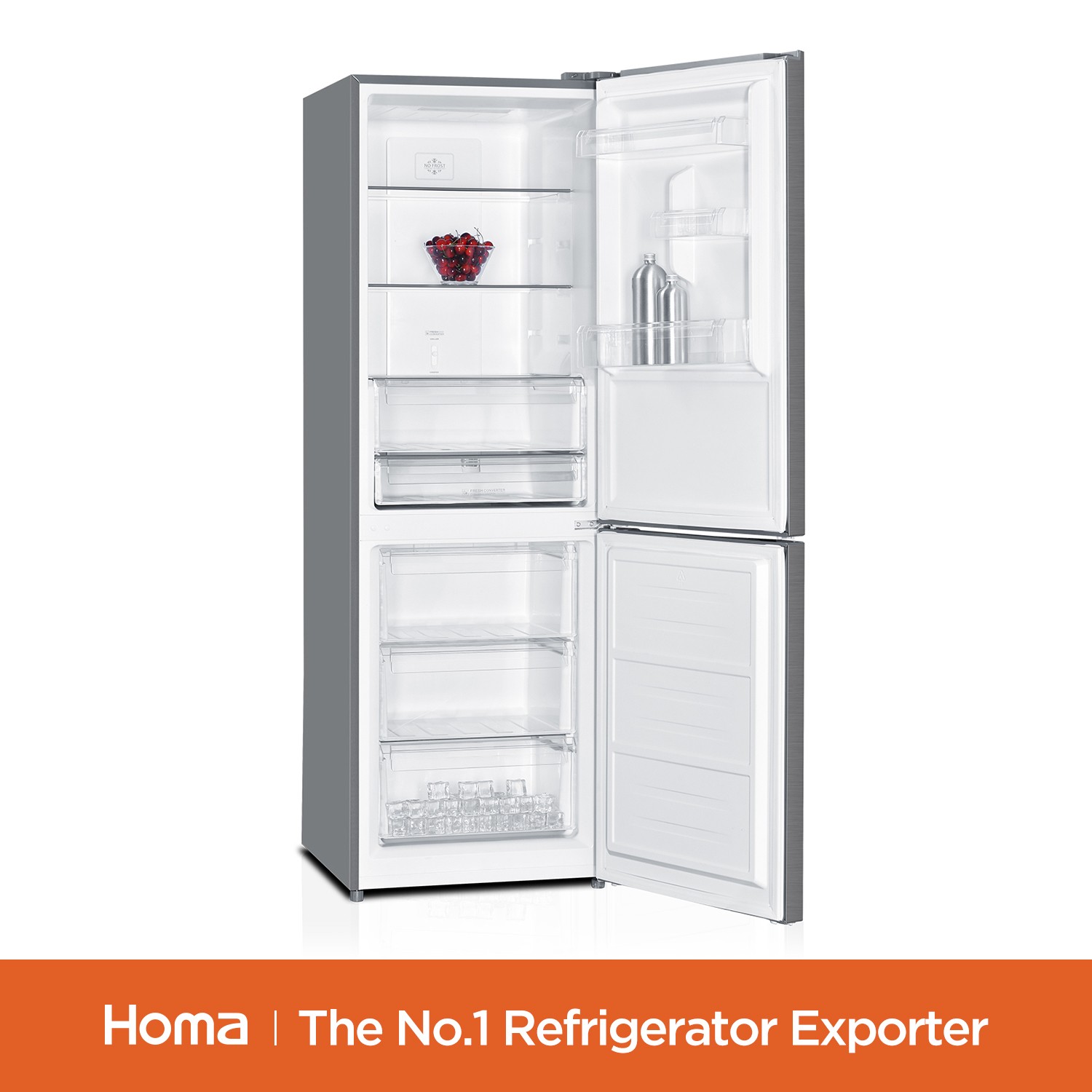
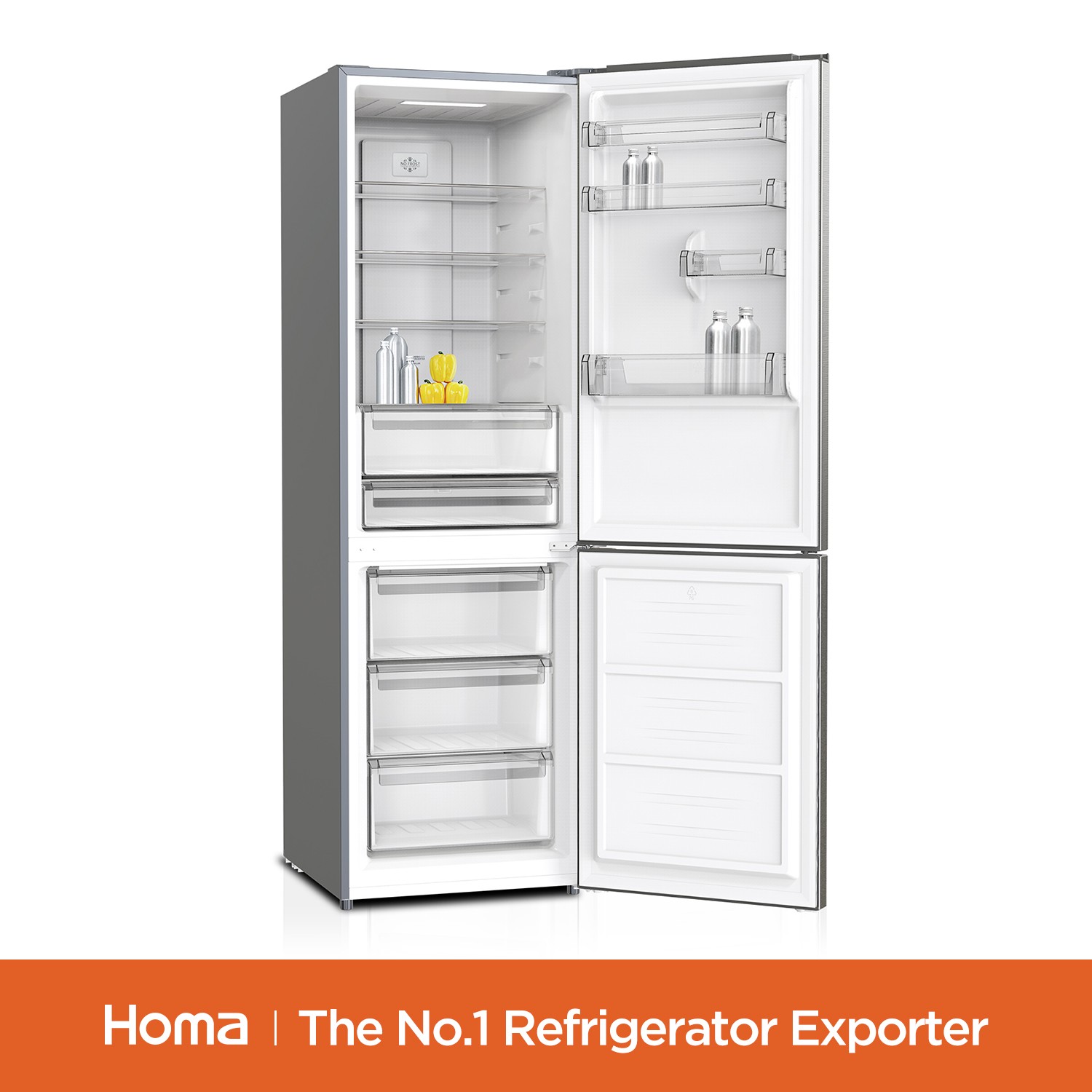
Bottom-Freezer Refrigerators
Source bottom-freezer refrigerators in bulk directly from vetted manufacturers and suppliers. Designed for importers, wholesalers, distributors, and appliance brands, our network supports OEM, ODM, and private-label production. Ensure reliable cooling performance, energy compliance, and competitive pricing for your market.
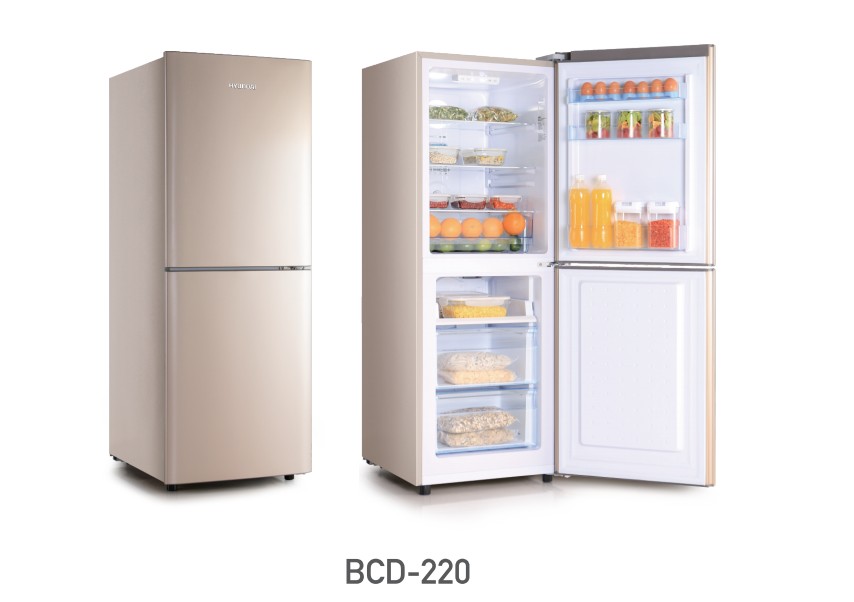
Bottom-freezer refrigerators dominate modern kitchen appliance sales due to their ergonomic advantage—placing the most frequently accessed fresh food compartment at eye level. However, sourcing these units reliably at scale requires strict attention to compressor selection, cabinet insulation integrity, and regional energy efficiency compliance. A misstep in factory selection can lead to high defect rates, excessive energy consumption, or premature compressor failure.
Technical Specifications to Define with Manufacturers
When negotiating with a factory, generic capacity requirements (e.g., "300 liters") are insufficient. The internal architecture and cooling technology dictate both the manufacturing cost and the unit's market positioning.
- Cooling Technology: Buyers must choose between Direct Cool (static cooling) and Total No Frost (dynamic cooling). Total No Frost utilizes a finned evaporator and fan system to circulate cold air, preventing ice buildup. This requires a more complex defrost timer and heater assembly.
- Compressor Type: Fixed-speed compressors are standard for entry-level models, while inverter compressors are practically mandatory for premium markets with strict energy regulations (such as the EU's ERP or US Energy Star).
- Climate Class: Refrigerators are engineered for specific ambient temperatures. Specifying the wrong climate class—such as an N class (up to 32°C) for a Middle Eastern market requiring a T class (up to 43°C)—will result in continuous compressor operation and rapid failure.
| Cooling System | Airflow Mechanism | Defrost Maintenance | Market Positioning |
|---|---|---|---|
| Direct Cool | Natural convection | Manual defrost required | Entry-level / Budget |
| Total No Frost | Fan-forced circulation | Fully automatic | Mid-to-high tier |
Need help matching factory capabilities to your market's technical specifications? Let's discuss your sourcing requirements.
Talk to our teamManufacturing Vulnerabilities and Quality Control
The durability of a bottom-freezer refrigerator is heavily dependent on processes that are invisible to the end user. The polyurethane foaming process, which forms the insulation layer between the inner liner and the outer cabinet, is critical. If the factory's cyclopentane foaming machines are poorly calibrated, voids will form inside the walls. This leads to exterior condensation (sweating) and failure to meet stated energy ratings.
To mitigate these risks, implementing rigorous quality control & inspection protocols is essential. Relying solely on a factory's internal QC often leaves buyers exposed to inconsistent batches.
Critical Factory-Floor QC Checks
- Refrigerant leak detection: Halogen sniffing tests on all R600a copper/aluminum joints.
- Door gasket integrity: Testing magnetic pull strength to ensure an airtight seal.
- Electrical safety: Hi-Pot (dielectric strength) and earth continuity testing.
- Performance testing: Pull-down time (time taken to reach target temperature from ambient).
- Foam density checks: Destructive testing on sample units to verify insulation uniformity.
OEM and Private-Label Customization
For brands looking to differentiate, factories offer extensive OEM/ODM services. Customization typically centers on the exterior finish and user interface.
Outer doors can be specified as PCM (Pre-Coated Metal) for solid colors, VCM (Vinyl Coated Metal) for brushed stainless-steel looks, or true stainless steel for premium SKUs. Internal configurations, such as adjustable glass shelving, crisper drawer humidity controls, and digital touch-displays on the door, can be tailored to your brand's specifications. Always verify that modifying the door panel thickness or adding a wiring harness for an external display does not compromise the unit's insulation.
Pricing, MOQs, and Lead Times
Refrigerators are high-volume, low-margin goods for manufacturers, meaning production is heavily standardized around container loads.
The primary cost driver in any bottom-freezer refrigerator is the compressor. Factories typically offer a baseline Chinese brand (e.g., Donper, GMCC) but can upgrade to premium international brands (e.g., Secop, Embraco) for an additional cost. Upgrading to an inverter compressor will also increase the unit price but is often necessary to pass regional compliance & testing requirements for energy efficiency.
Optimize your unit costs and container loading efficiency with our end-to-end supply chain support.
Get a free consultationFrequently Asked Questions
Successfully sourcing bottom-freezer refrigerators requires balancing aesthetic customizations with strict mechanical reliability. By defining your compressor requirements early and enforcing rigorous pre-shipment inspections, you can secure high-quality appliances that protect your brand's reputation and your bottom line.
Get Sourcing Help for Bottom-Freezer Refrigerators
Tell us your requirements and our experts will connect you with verified manufacturers.