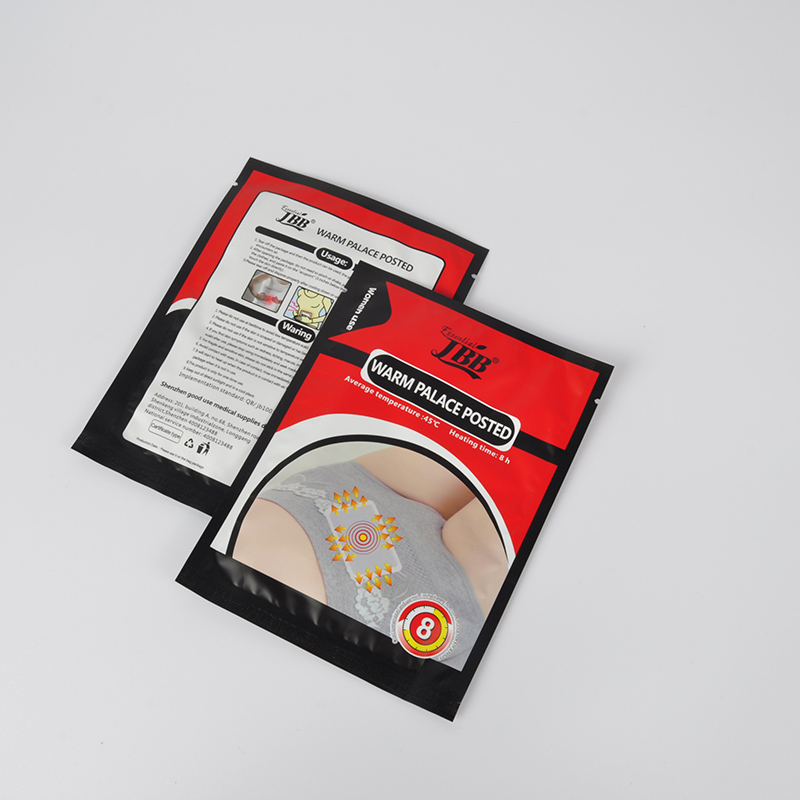
Body Patches
Source high-quality body patches in bulk from vetted manufacturers and suppliers. Designed for importers, wholesalers, and personal care brands seeking reliable OEM and private-label production. Secure competitive wholesale pricing and consistent quality control for your next production run.
Sourcing body patches in bulk requires navigating a complex intersection of medical-grade adhesives, active ingredient delivery, and cosmetic compliance. Whether you are developing hydrocolloid acne patches, cooling hydrogel sheets, or heat therapy patches, the core manufacturing challenge remains consistent: balancing reliable adhesion with skin safety and ensuring the stability of any infused active ingredients.
Defining Patch Specifications
A body patch is a composite product. To get accurate quotes and ensure consistent performance, buyers must specify the exact materials for all three primary layers: the backing, the adhesive matrix, and the release liner.
- Backing Material: This determines the patch's flexibility, breathability, and water resistance. Polyurethane (PU) films are standard for waterproof, invisible patches (like acne dots), while non-woven fabrics or cotton are preferred for heat or pain-relief patches requiring breathability and structural integrity.
- Adhesive Matrix: The core functional layer. The adhesive must be formulated for the specific wear time and skin type.
- Release Liner: The protective film removed before application. Typically a PET film or paper coated with silicone. The release force must be calibrated so the patch peels off easily without stretching the backing.
| Adhesive Type | Primary Application | Key Characteristics |
|---|---|---|
| Acrylic | Heat & Muscle Patches | High initial tack, low cost, secure for long wear, potential for mild irritation on sensitive skin. |
| Hydrocolloid | Acne & Blemish Patches | Absorbs exudate, creates a moist healing environment, moderate tack, leaves no residue. |
| Silicone | Scar & Sensitive Skin Patches | Painless removal, repositionable, highly biocompatible, higher raw material cost. |
| Hydrogel | Cooling & Hydration Patches | High water content, excellent vehicle for water-soluble actives, lower adhesion strength. |
Manufacturing Process & Quality Control
The manufacturing of body patches is heavily reliant on automated coating and converting machinery. Quality is won or lost during the coating phase. If the adhesive matrix is applied unevenly, the patch will suffer from edge lifting, inconsistent active ingredient delivery, or adhesive transfer (leaving sticky residue on the skin).
During production, the adhesive is mixed, coated onto the master roll of backing material in a continuous web, cured in a drying tunnel, and then laminated with the release liner. The master roll is then slit into narrower rolls before being die-cut into the final consumer shapes.
Critical Factory Quality Checks
- Coating weight consistency: Measured in GSM (grams per square meter) to ensure uniform adhesive thickness.
- Peel strength testing: Verifying the force required to remove the patch from a standard substrate.
- Die-cut precision: Checking for clean edges without adhesive oozing or backing fraying.
- Pouch seal integrity: Ensuring the primary packaging is airtight to prevent hydrogels from drying out or hydrocolloids from absorbing ambient moisture.
Because environmental controls (temperature and humidity) in the factory directly impact adhesive curing and stability, conducting thorough Factory Audits is essential before committing to a new supplier.
Need to verify a patch manufacturer's coating capabilities and quality management systems? Let us handle the technical vetting before you place a deposit.
Talk to our teamCompliance and Testing Requirements
Body patches straddle the line between cosmetics and medical devices depending on the claims made and the active ingredients used. Even for purely cosmetic patches, skin safety is paramount.
Manufacturers should ideally hold ISO 22716 (Good Manufacturing Practices for Cosmetics) or ISO 13485 (Medical Devices) certifications. Key testing parameters include biocompatibility (specifically skin irritation and sensitization per ISO 10993 standards) and stability testing to ensure the adhesive does not degrade and active ingredients remain efficacious throughout the shelf life. Implementing strict Quality Control & Inspection protocols before shipment is critical to catch compromised batches before they leave the facility.
Buying Mechanics: MOQs, Pricing, and Lead Times
Pricing for body patches is driven by the raw material costs (silicone and high-grade hydrocolloids are significantly more expensive than standard acrylics), the inclusion of active ingredients (like salicylic acid or CBD), and the complexity of the die-cut.
Minimum Order Quantities (MOQs) are dictated by the width of the manufacturer's coating machinery. A single master roll yields tens of thousands of individual patches. Therefore, custom formulations or custom shapes require the buyer to consume at least one full master roll's worth of material.
If you are developing a proprietary patch, leveraging specialized OEM/ODM Services can help you navigate the formulation process, source the right backing materials, and negotiate manageable trial-run MOQs with top-tier coating facilities.
Struggling with high MOQs for a custom patch formulation? We can negotiate terms, manage the production run, and oversee quality control.
Get a free consultationFrequently Asked Questions
Successfully sourcing body patches requires prioritizing manufacturers with advanced, clean-room coating capabilities over those who merely convert and package pre-coated rolls. By specifying precise material layers and mandating strict in-line quality controls, buyers can secure reliable, skin-safe products at scale.
Get Sourcing Help for Body Patches
Tell us your requirements and our experts will connect you with verified manufacturers.