Boat Anchors
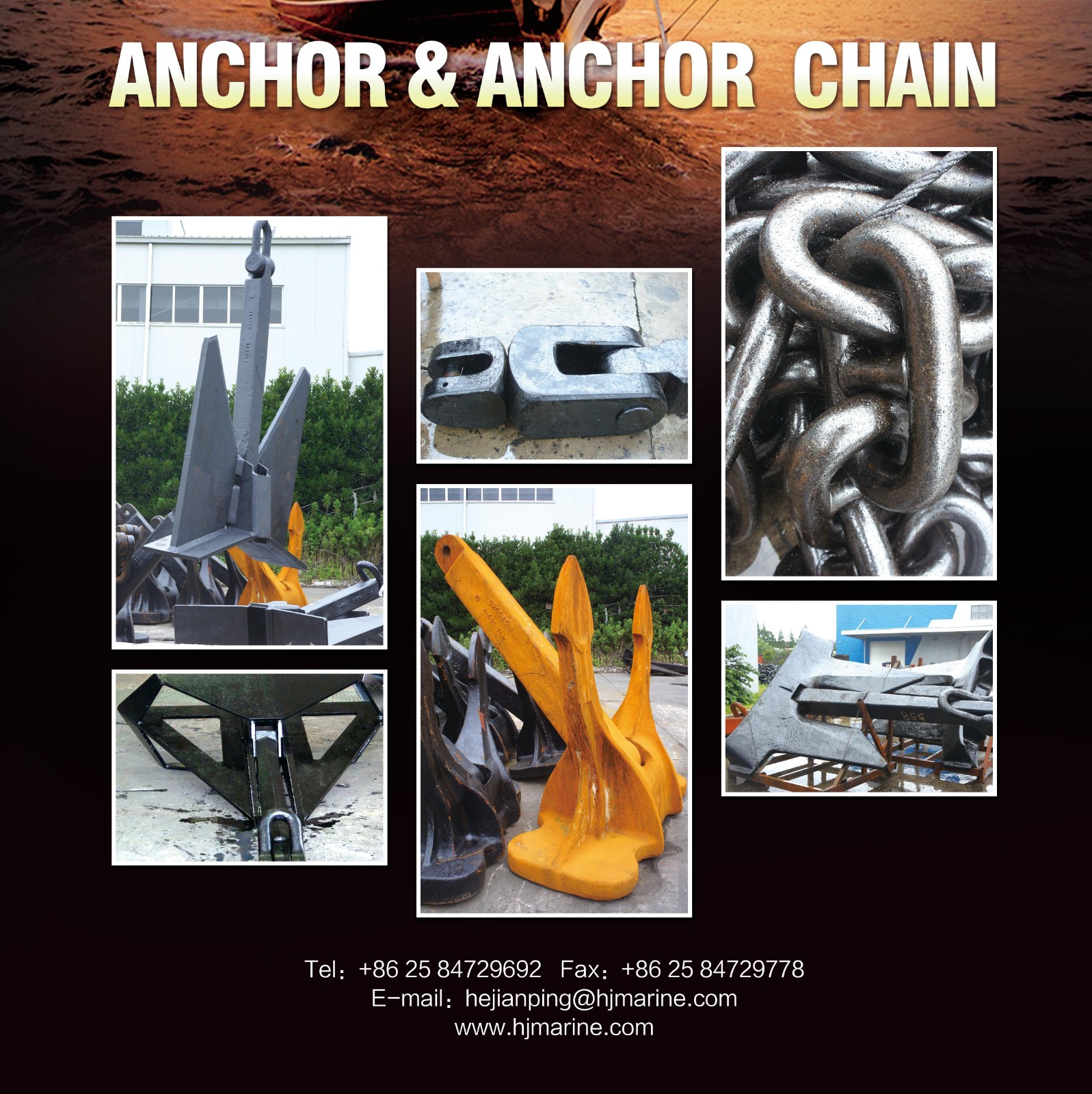
Source premium boat anchors from vetted suppliers and manufacturers across Asia. Designed for marine distributors, wholesalers, and boat builders, our network supports bulk procurement and custom OEM/private-label production to withstand demanding marine environments.
Sourcing boat anchors in commercial volumes requires balancing raw material volatility with strict structural integrity requirements. A failure in holding power or rapid corrosion does not just damage a brand's reputation; it poses severe safety risks. For procurement managers and marine hardware brands, securing reliable production means navigating foundry capabilities, metallurgy standards, and rigorous post-production finishing.
Material Selection and Manufacturing Processes
The core of any anchor's performance lies in its material composition and how it is formed. Asian foundries typically specialize in either sand casting for heavy galvanized models or investment casting for precision stainless steel variants.
| Material | Primary Process | Corrosion Resistance | Cost Profile |
|---|---|---|---|
| Hot-Dipped Galvanized Steel | Sand Casting / Forging | High (sacrificial coating) | Economical |
| 316 Stainless Steel | Investment Casting | Excellent (inherent) | Premium |
| Marine-Grade Aluminum | Extrusion / Machining | Very Good (anodized) | Moderate to High |
When sourcing galvanized steel anchors, the galvanization process itself is a primary failure point in substandard factories. The zinc coating must be applied via hot-dipping rather than electroplating to achieve the necessary micron thickness for saltwater exposure.
Struggling to find foundries that consistently meet marine-grade metallurgical standards? We help buyers identify and partner with verified manufacturers.
Talk to our teamCritical Quality Control Checkpoints
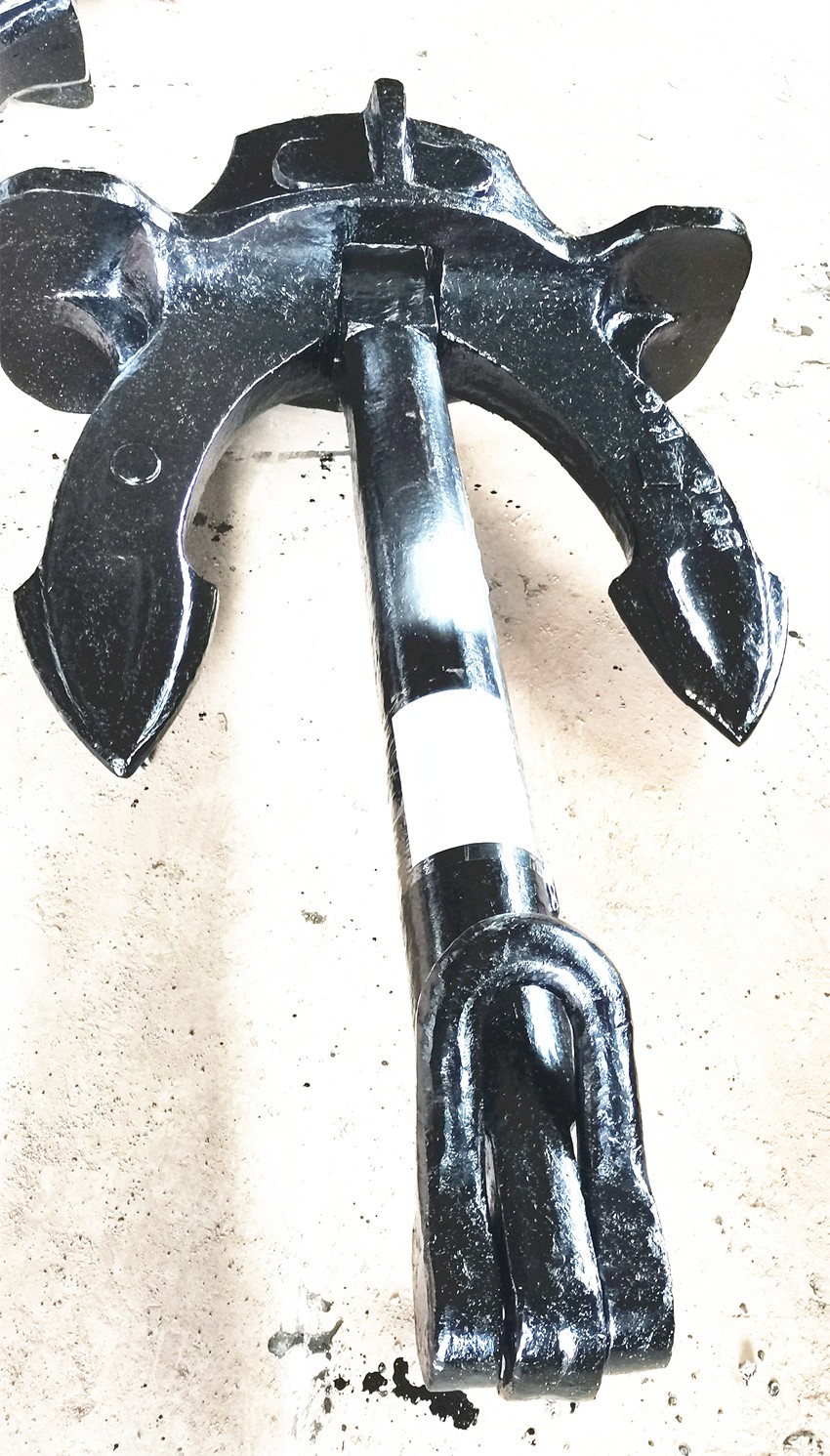
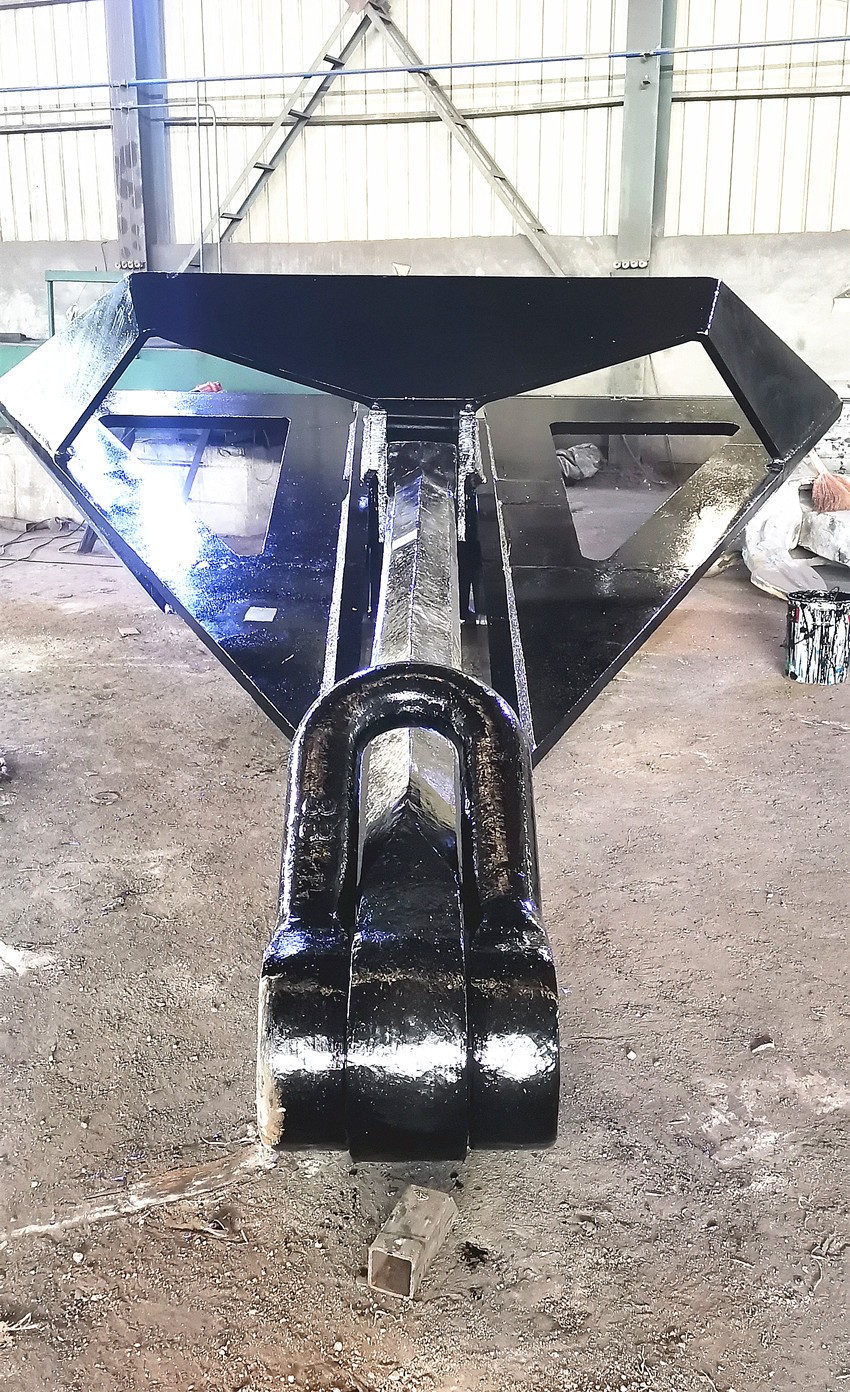
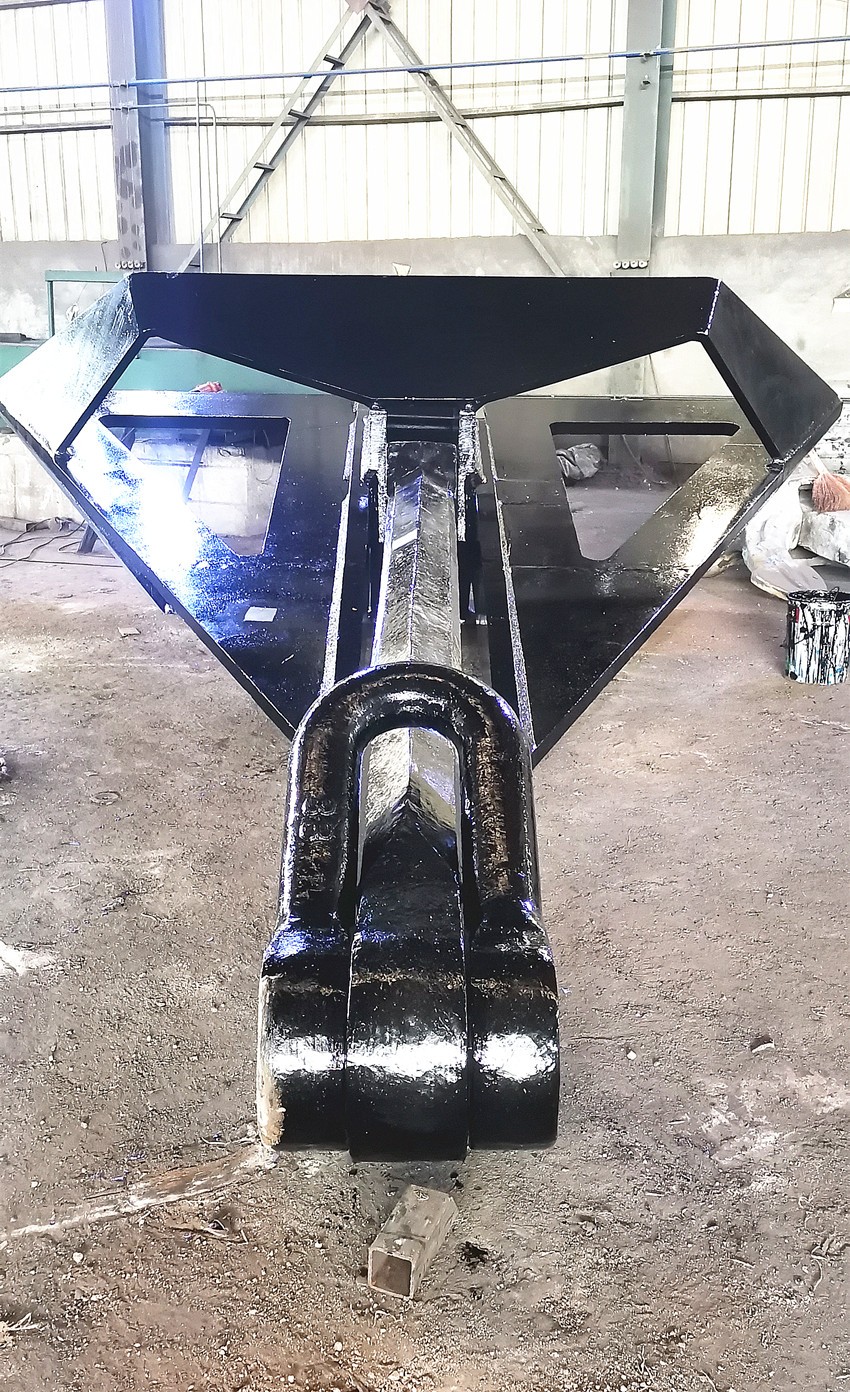
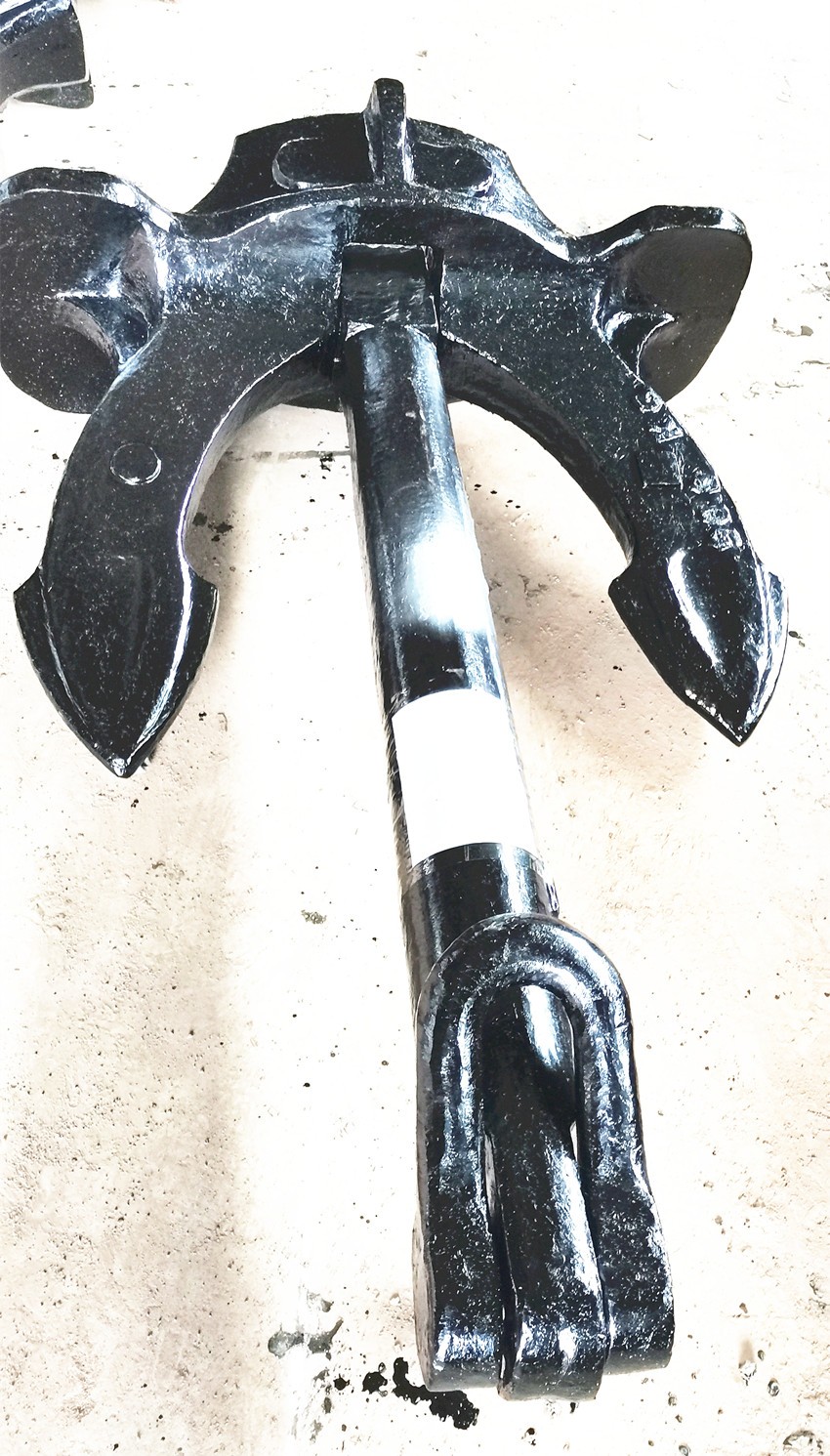
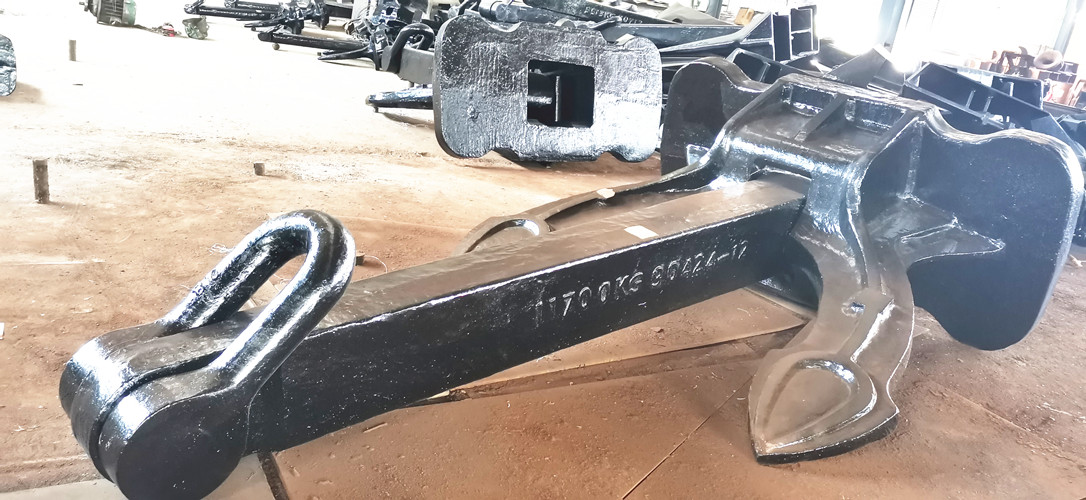
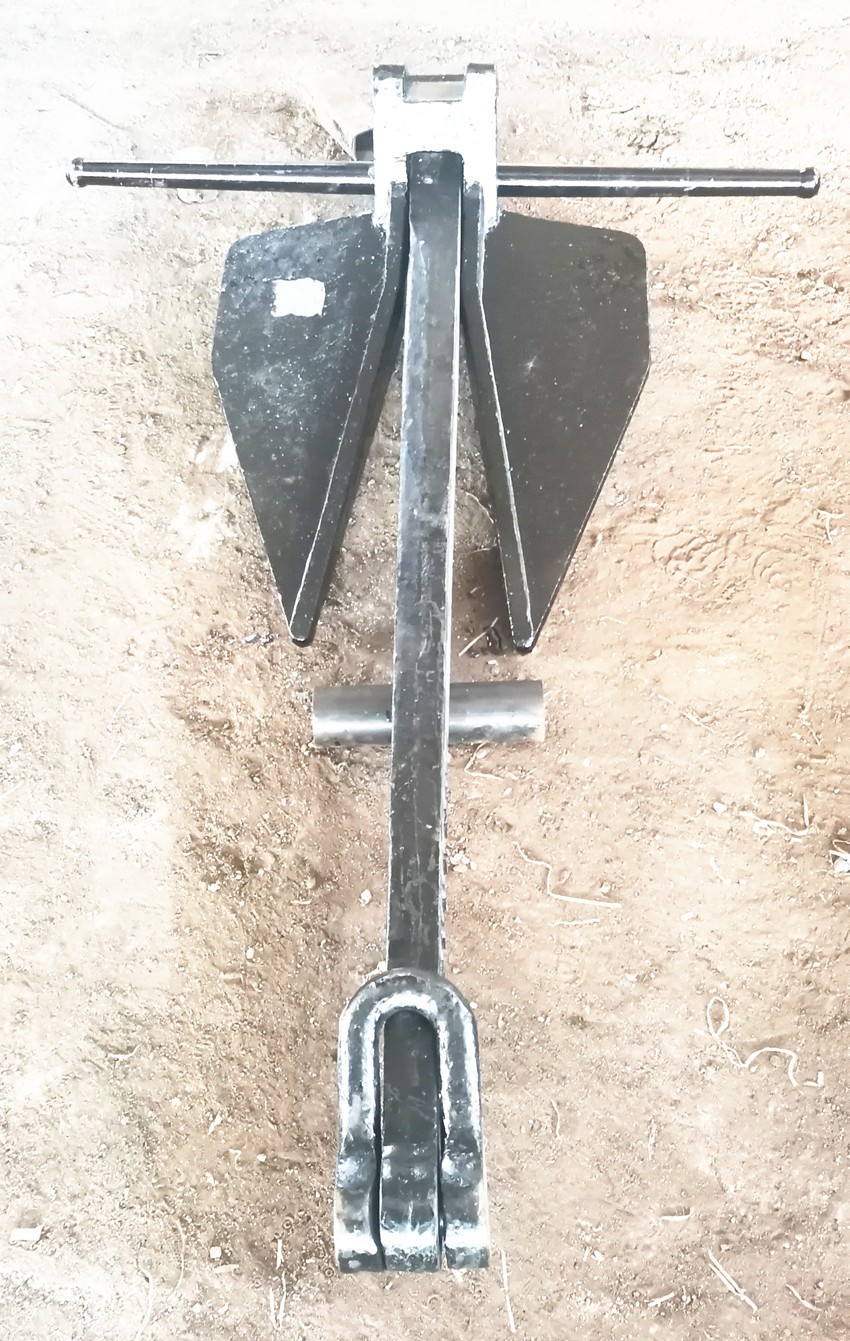
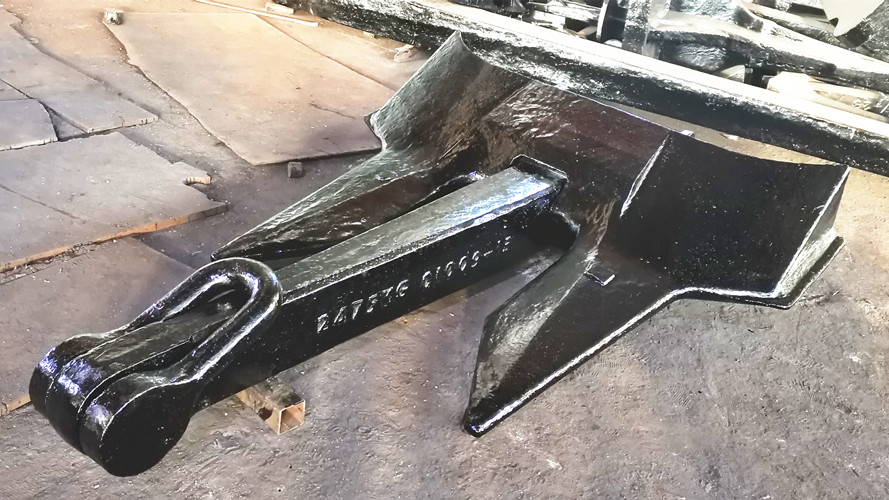
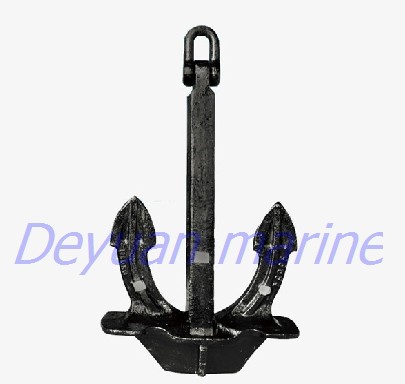
Even with the right materials, production inconsistencies can compromise an anchor's holding power. Welded anchors (such as traditional fluke or plow styles) require strict weld penetration standards, while cast anchors (like claw or scoop designs) must be free of internal voids.
Implementing robust Quality Control & Inspection protocols at the factory level is essential before shipping.
Pre-Shipment Inspection Focus Areas
- Galvanization Thickness: Verify zinc coating is between 80 and 120 microns using a digital coating thickness gauge.
- Weld Integrity: Check for porosity, undercutting, and proper penetration on all fabricated joints.
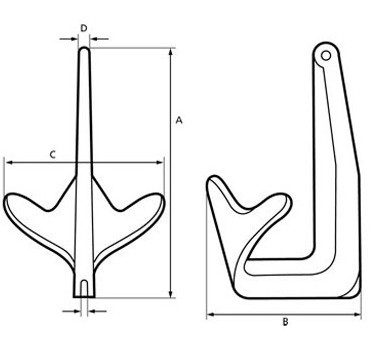
- Dimensional Accuracy: Ensure shank angles and fluke geometries match CAD specifications to guarantee correct seabed penetration.
- Surface Finish (Stainless): Confirm electropolishing or mirror-polishing meets the required Ra value to prevent tea-staining.
- Weight Tolerance: Castings can vary; ensure finished weights fall within a strict plus or minus 5 percent tolerance.
Customization and Private Labeling
Many marine hardware brands require OEM/ODM Services to produce proprietary geometries or simply to stamp their logo onto standard designs.
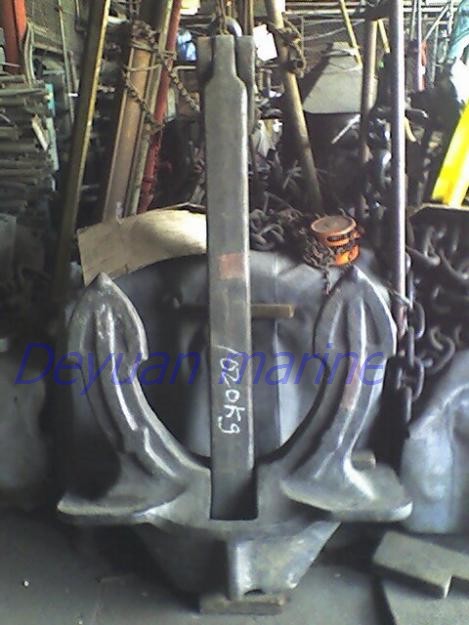
For cast anchors, customizing a design requires creating a new mold. Sand casting molds for galvanized anchors are relatively inexpensive and quick to produce. Investment casting molds for stainless steel require higher upfront tooling costs but yield exceptional precision and surface finish. Ensure your supplier agreement clearly outlines mold ownership and maintenance terms.
Buying Mechanics: MOQs, Lead Times, and Pricing
Procurement parameters in the marine hardware sector are heavily influenced by raw material costs (steel, zinc, nickel) and foundry furnace capacities.
Pricing is typically negotiated by weight (per kilogram) rather than per unit, especially for galvanized steel and aluminum. When comparing quotes, ensure the price includes the specific finishing requirements, such as hot-dip galvanizing or mirror polishing, as these significantly impact the final cost. Conducting thorough Factory Audits is highly recommended to verify that a supplier actually owns their casting and finishing facilities, rather than subcontracting to unvetted workshops.
Need to stabilize your pricing and secure reliable capacity for the upcoming season? Let us manage the supplier negotiations and quality assurance for your bulk orders.
Get a free consultationFrequently Asked Questions
Successful procurement of marine anchors hinges on securing suppliers who understand the metallurgical realities of the marine environment. By focusing on manufacturing processes, strict finishing standards, and verified material compositions, buyers can build a resilient and profitable supply chain.
Get Sourcing Help for Boat Anchors
Tell us your requirements and our experts will connect you with verified manufacturers.