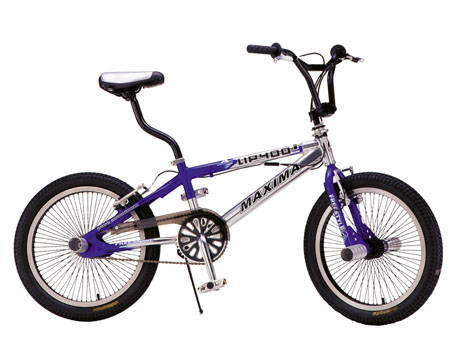
BMX Bikes
Source high-performance BMX bikes from vetted manufacturers and wholesale suppliers in China and across Asia. Designed for importers, distributors, and cycling brands seeking reliable OEM and private-label production, this catalog features bulk sourcing options built to demanding specifications and international safety standards.
Sourcing BMX bikes at volume requires navigating a highly specialized supply chain of frame builders, CNC machinists, and assembly factories. Unlike standard commuter bicycles, BMX bikes are subjected to extreme impact forces and torsional stress. The margin for error on the factory floor is non-existent; a poorly penetrated weld or an improperly heat-treated frame can lead to catastrophic failure. For buyers managing private-label or custom production, success depends on strictly controlling material specifications, geometry tolerances, and component integration.
Core Material Specifications and Frame Geometry
The foundation of any BMX sourcing program is the frame material. Factories typically offer three primary materials, each dictating the bike's target market, durability, and cost profile.
| Material | Primary Application | Yield Strength | Cost Profile |
|---|---|---|---|
| Hi-Ten Steel | Entry-level / Youth | Lower | Economical |
| 4130 Chromoly | Professional Freestyle / Street | High (High tensile) | Premium |
| 6061 / 7005 Aluminum | BMX Racing | High (Stiff & lightweight) | Mid to Premium |
When specifying frames with your supplier, you must define the geometry down to the millimeter. Key parameters include the Top Tube (TT) length (typically ranging from 20 inches to 21.25 inches), Head Tube (HT) angle (usually 74.5 to 75.5 degrees for responsive steering), and Chainstay (CS) length. Ensuring the factory's jigs are calibrated to hold these tolerances during welding is critical.
Need to verify a factory's welding and machining capabilities? Merhein can evaluate supplier facilities before you commit to production.
Talk to our teamManufacturing Processes and Factory Verification
Building a reliable BMX bike goes far beyond assembling off-the-shelf components. The frame manufacturing process dictates the ultimate strength and alignment of the bicycle.
Tube Mitering and Butting
High-end frames utilize double or triple-butted tubing to save weight without sacrificing strength. Tubes must be precisely mitered using CNC machinery to ensure zero gaps before welding.
TIG Welding
Tungsten Inert Gas (TIG) welding is standard for Chromoly and Aluminum frames. The consistency of the weld beads (the 'stack of dimes' look) is a primary indicator of factory capability.
Post-Weld Heat Treatment (PWHT)
Crucial for 4130 Chromoly frames and forks. The factory must normalize the metal after welding to relieve internal stresses and increase the overall tensile strength of the frame.
Alignment and Facing
Post-welding, frames must be checked on an alignment table. The head tube and bottom bracket (BB) shell are then faced and reamed to ensure bearings sit perfectly flush.
Assessing a supplier's capability to execute these steps consistently is challenging from afar. Conducting thorough factory audits is essential to verify that the supplier actually owns and operates the heat-treatment ovens and alignment tables they claim to have, rather than outsourcing these critical steps to unverified sub-tier vendors.
Component Integration and Quality Control
A high-quality frame is only as good as the components attached to it. Modern BMX bikes utilize micro-gearing (typically a 25T alloy sprocket paired with a 9T cassette hub), fully sealed bearings in the bottom bracket (Mid or Spanish BB) and headset, and tubular Chromoly 3-piece cranks.
To prevent defects from reaching your warehouse, implement strict quality control and inspection protocols at the factory level.
Critical In-Line & Pre-Shipment Checks
- Weld penetration and bead consistency on the head tube, bottom bracket, and dropouts.
- Alignment of the rear triangle and dropouts (must be perfectly parallel).
- Thread integrity on the bottom bracket and pedal bosses.
- Spoke tension consistency and wheel trueness (lateral and radial runout under 1mm).
- Compliance with ISO 4210 standards for bicycle safety, specifically the impact and fatigue testing protocols for the frame and fork assembly.
MOQs, Lead Times, and Sourcing Reality
The BMX supply chain is heavily concentrated in specific industrial clusters in Taiwan and mainland China. Taiwan remains the hub for premium, competition-grade aftermarket frames and components, while mainland China dominates the complete-bike assembly and mid-tier markets.
If you are developing a proprietary frame geometry or custom CNC components, leveraging professional OEM/ODM services can streamline the translation of your CAD files into production-ready prototypes, ensuring the factory understands your exact tolerances.
Managing specialized component lead times is complex. Let Merhein coordinate your bill of materials and assembly schedule.
Get a free consultationFrequently Asked Questions
Successfully sourcing BMX bikes at scale requires treating the procurement process as an engineering exercise. By tightly controlling material specifications, verifying factory capabilities, and maintaining strict oversight of component integration, buyers can secure reliable production that meets the demands of serious riders.
Get Sourcing Help for BMX Bikes
Tell us your requirements and our experts will connect you with verified manufacturers.