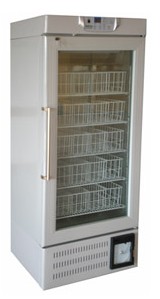
Blood Testing Equipment
Source professional Blood Testing Equipment from vetted manufacturers and suppliers. This catalog is designed for medical distributors, clinical procurement managers, and healthcare brands seeking reliable wholesale and OEM/ODM diagnostic devices. Find factory-direct pricing for high-volume import requirements.
Sourcing clinical-grade blood testing equipment requires balancing diagnostic precision with stringent regulatory standards. For professional buyers, the challenge lies not just in finding a capable factory, but in verifying their quality management systems, sensor calibration consistency, and ability to meet international in-vitro diagnostic (IVD) directives. When importing diagnostic hardware at scale, the margin for error is zero.
Core Technologies and Specifications
The reliability of a blood analysis device depends entirely on its underlying sensor technology and fluidics architecture. When evaluating manufacturers, you must specify the exact detection principles required for your target market, as this dictates both the bill of materials (BOM) and the manufacturing complexity.
| Detection Principle | Primary Application | Manufacturing Complexity |
|---|---|---|
| Photometric / Colorimetric | Clinical chemistry, hemoglobin | Moderate (requires precise optical alignment) |
| Electrochemical Biosensors | Point-of-care (POC) glucose, lactate | High (requires advanced electrode printing) |
| Impedance / Flow Cytometry | Complete Blood Count (CBC) | Very High (complex fluidics and micro-apertures) |
Key Performance Indicators to Specify
When negotiating with suppliers, demand technical data on the following parameters:
- Coefficient of Variation (CV): For professional devices, the CV should be under 2 percent for most analytes. Anything higher indicates poor sensor stability or inconsistent fluidic dispensing.
- Sample Volume Requirements: Modern POC devices should require under 10 microliters. Benchtop analyzers will require more, but efficiency in sample handling is a major selling point.
- Throughput Rate: Specified in tests per hour (T/H). Ensure the manufacturer's stated throughput accounts for automated cleaning cycles between samples.
Need to verify a medical device manufacturer's cleanroom and ISO 13485 credentials before placing a volume order?
Talk to our teamManufacturing Realities and Quality Control
The quality of diagnostic equipment is won or lost on the factory floor, specifically in the cleanroom assembly and the aging testing phases. Medical device manufacturing in hubs like Shenzhen and Jiangsu is highly advanced, but inconsistent quality control can lead to high defect rates in optical alignment or firmware stability.
Critical Factory Floor Checks
If you are conducting Factory Audits, your inspectors must focus on these specific areas:
Diagnostic Equipment Audit Checklist
- Verify ISO Class 8 (or better) cleanroom conditions for optical and sensor assembly.
- Check the calibration protocols: Are they using certified reference materials (CRMs)?
- Review the aging test logs: Devices should undergo at least 48 hours of continuous operation under thermal stress.
- Inspect the firmware flashing process to ensure traceability and version control.
- Validate the testing of the fluidic pumps and valves for micro-leakages.
Regulatory Compliance and Certifications
You cannot import or distribute blood testing equipment without strict adherence to regional medical device regulations. A factory claiming to have "CE" is not enough; you must verify if it is a self-declaration or issued by a Notified Body under the IVDR (In Vitro Diagnostic Regulation).
For the US market, FDA 510(k) clearance is mandatory. Many Chinese manufacturers have FDA-cleared devices available for white-labeling, but you must ensure the clearance applies to the exact model you are purchasing. Engaging professional Compliance & Testing services early in the sourcing process prevents costly customs seizures or market recalls.
Buying Mechanics: MOQs, Pricing, and OEM/ODM
The procurement strategy for blood testing equipment depends heavily on whether you are buying off-the-shelf white-label models or developing a custom diagnostic platform.
Reagent Strategy: Open vs. Closed Systems
A critical pricing factor is the reagent system.
- Open Systems: Allow end-users to buy reagents from third parties. These hardware units are typically sold at a higher margin by the factory.
- Closed Systems: Lock the user into proprietary reagents via RFID or barcodes. Factories often sell these devices at a lower upfront cost, expecting recurring revenue from reagent manufacturing. If you are pursuing OEM/ODM Services for a closed system, ensure you negotiate the long-term supply contract for the test strips or reagents alongside the hardware.
Planning a private-label diagnostic line? Let's discuss your production strategy and regulatory timeline.
Get a free consultationFrequently Asked Questions
Successfully sourcing blood testing equipment means looking past the initial unit price to evaluate the manufacturer's long-term stability, regulatory rigor, and component traceability. Ensuring your supplier has the engineering depth to support your product in a heavily regulated market is the most critical investment you will make.
Get Sourcing Help for Blood Testing Equipment
Tell us your requirements and our experts will connect you with verified manufacturers.