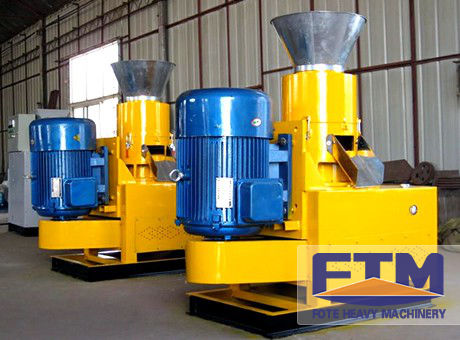
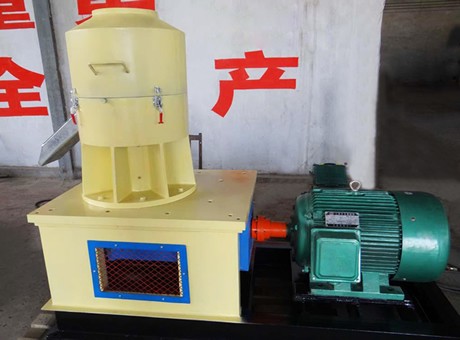
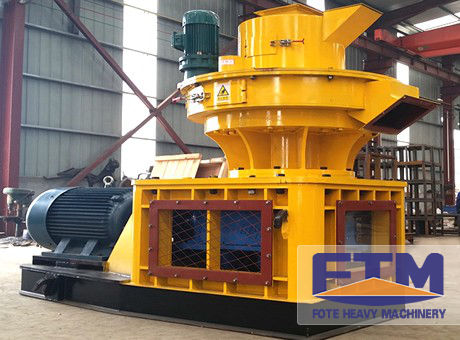
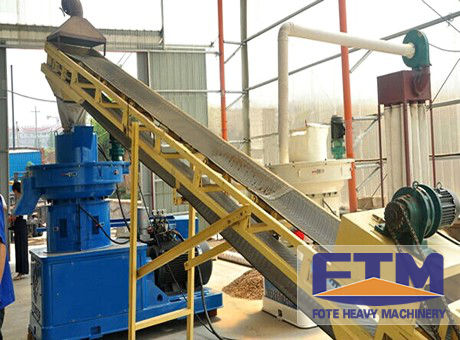
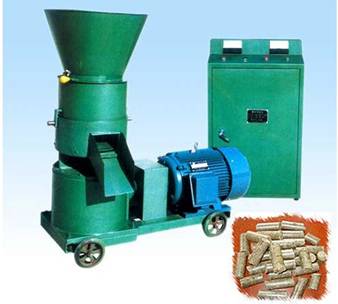
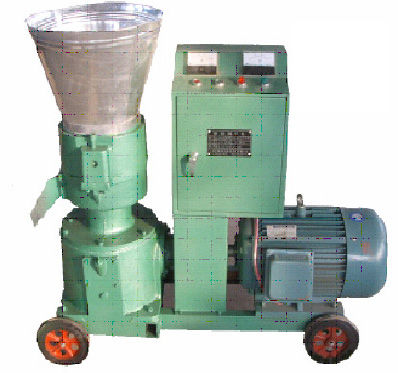
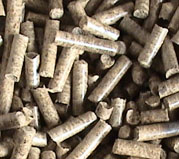
Biomass Briquette Machines
Source industrial-grade Biomass Briquette Machines from vetted manufacturers and suppliers. Designed for importers, wholesalers, and agricultural equipment distributors, our network provides reliable, high-capacity briquetting solutions for bulk procurement and custom OEM requirements.
Sourcing industrial biomass briquette machines requires moving past basic output claims to evaluate structural integrity, motor efficiency, and consumable part longevity. Whether you are outfitting a large-scale agricultural waste processing facility or importing machinery for wholesale distribution, the profitability of these units hinges on their ability to operate continuously under immense pressure and heat without catastrophic failure.
Core Specifications for Industrial Briquetting
The engineering of a briquette machine dictates its output density, energy consumption, and operational uptime. When evaluating manufacturers, focus on the fundamental mechanics driving the compression, as this determines the machine's suitability for specific raw materials like sawdust, rice husks, or peanut shells.
| Machine Type | Compression Mechanism | Best For | Maintenance Profile |
|---|---|---|---|
| Screw Press | High-heat extrusion via rotating screw | Lignin-rich materials (wood, sawdust) | High (frequent propeller rebuilding) |
| Mechanical Stamping | Reciprocating piston punch | Large scale, diverse agricultural waste | Medium (periodic punch/die replacement) |
| Hydraulic Press | Hydraulic cylinder compression | High-density briquettes, metal shavings | Low (hydraulic fluid and seal checks) |
Beyond the type of press, buyers must clearly specify motor power (typically ranging from 15kW to 45kW for standard industrial units), voltage requirements tailored to the destination market (e.g., 380V/50Hz 3-phase vs. 480V/60Hz), and the required production capacity per hour.
Component Quality and Wear Resistance
The primary challenge in briquette machine manufacturing is managing extreme friction and heat. Substandard alloys in the forming dies, pistons, or screw propellers will degrade rapidly, causing unacceptable downtime for your end-users. Validating a supplier means looking closely at their metallurgy and component sourcing. Conducting thorough factory audits is essential to confirm that suppliers possess the machining capabilities to work with specified high-wear steel grades.
Critical Inspection Points for Briquette Machines
- Propeller Metallurgy: Verify the use of high-chromium alloys or specialized wear-resistant welding on screw threads.
- Motor and Bearings: Ensure the use of recognized industrial brands (e.g., Siemens, SKF) rather than unbranded domestic alternatives.
- Heating Collars: Check the insulation and wattage of the heating rings for consistent temperature control (crucial for lignin melting).
- Control Panel Safety: Confirm the inclusion of overload protection, emergency stops, and compliance with destination market electrical standards (CE, UL).
Ensure your machinery suppliers meet stringent metallurgical and assembly standards before committing to a bulk order.
Talk to our teamSourcing Mechanics: Pricing, MOQs, and Lead Times
Industrial machinery procurement involves a careful balancing of custom configurations and logistical realities. Because these units are heavy, bulky, and often require custom voltage configurations, off-the-shelf purchasing is rare.
If you are distributing under your own brand, OEM/ODM services can be utilized to customize the machine's exterior color, control panel interface, and safety guarding.
Logistics also play a massive role in landed costs. A single stamping press can weigh several tons. Coordinating shipping & freight requires expertise in heavy-lift loading, proper container lashing, and optimizing FCL (Full Container Load) space to prevent damage during transit.
Need assistance coordinating heavy machinery freight and supplier negotiations? Speak with our sourcing experts.
Get a free consultationFrequently Asked Questions
Evaluating biomass briquette machines is ultimately about assessing the total cost of ownership over the machine's lifespan. A cheaper unit with rapid die wear, inefficient motors, and frequent breakdowns will quickly erase any initial purchasing savings. Focusing on component durability, supplier transparency, and rigorous pre-shipment inspection is the only reliable path to profitable machinery sourcing.
Get Sourcing Help for Biomass Briquette Machines
Tell us your requirements and our experts will connect you with verified manufacturers.