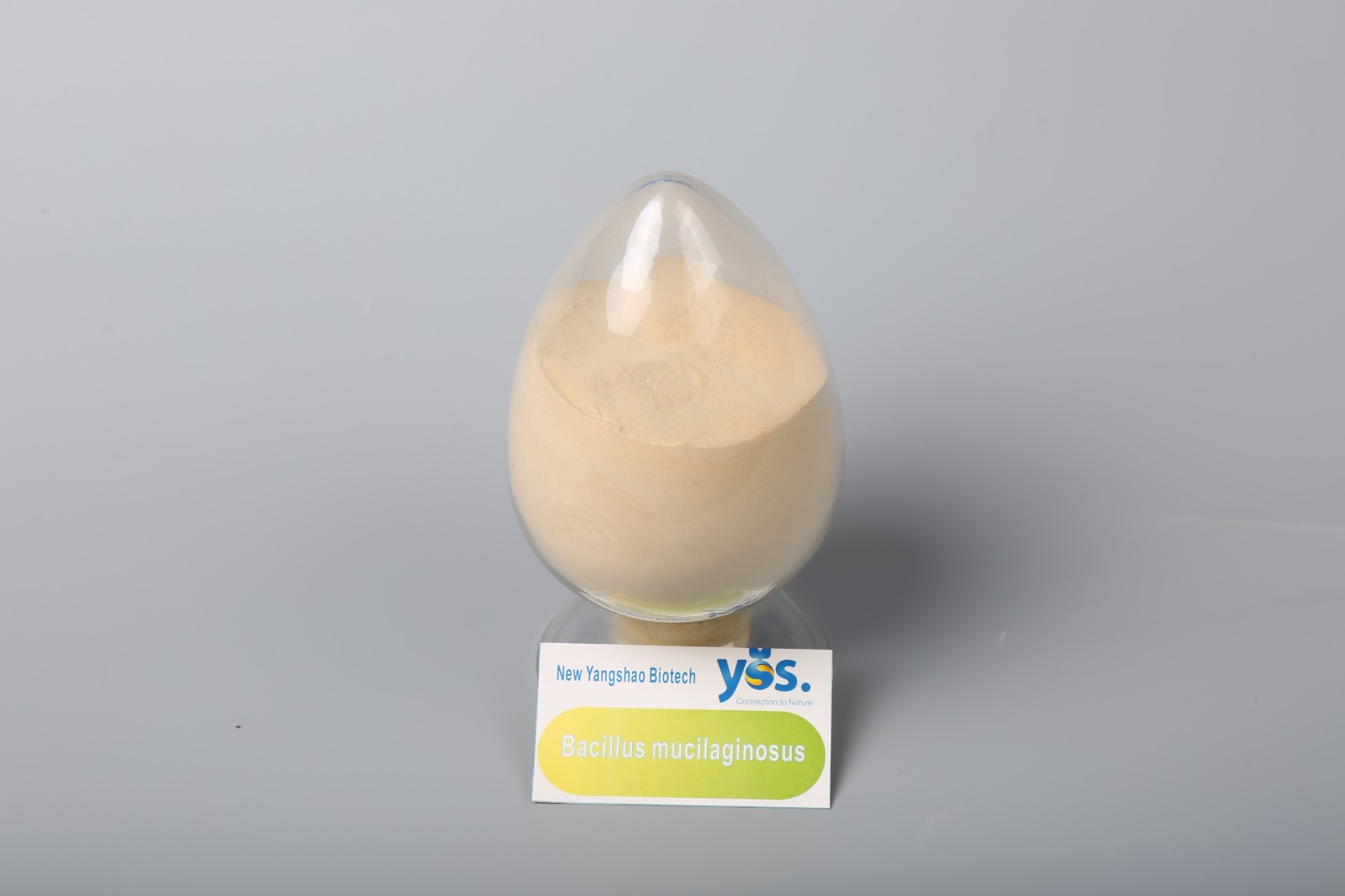
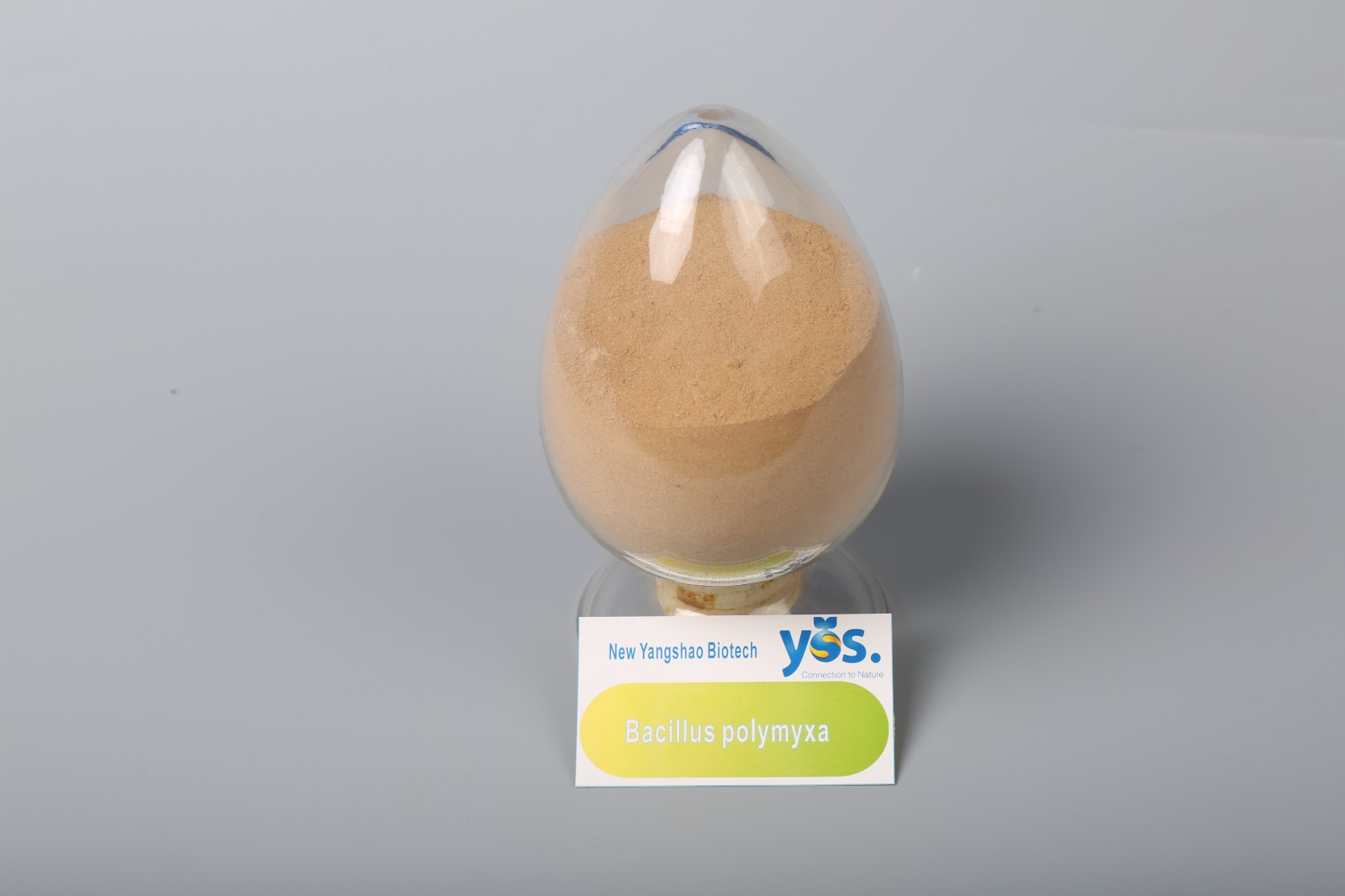
Biological Fertilizers
Source high-quality biological fertilizers in bulk from vetted manufacturers and wholesale suppliers. Designed for agricultural distributors, importers, and brands seeking reliable OEM production, our network delivers consistent microbial counts and stable formulations to meet your large-scale procurement needs.
Sourcing biological fertilizers at scale presents a unique challenge: you are buying living organisms. Unlike synthetic agrochemicals, the value of bio-fertilizers—whether nitrogen-fixing bacteria, phosphate-solubilizing microbes, or mycorrhizal fungi—depends entirely on their viability upon application. Securing a reliable supply chain requires rigorous validation of a manufacturer's fermentation capabilities, stabilization techniques, and quality control protocols.
Key Specifications for Bulk Procurement
When negotiating with manufacturers, the specifications you define dictate both the efficacy of the product and its shelf life. Vague specifications lead to degraded products that fail field tests.
Essential Parameters to Define
- Colony Forming Units (CFU): The standard measure of viable microbes. Specifications typically range from 1x10^8 to 1x10^10 CFU/g or CFU/ml. Ensure the supplier guarantees this count at the end of the stated shelf life, not just at the time of manufacture.
- Strain Purity: Contamination by rogue bacteria during fermentation ruins efficacy. Specify a contamination rate of less than 1 percent.
- Moisture Content (for solid carriers): For powder or granular bio-fertilizers, moisture must be strictly controlled (typically under 10 percent) to prevent premature microbial activation and subsequent die-off during transit.
- pH Levels: Liquid formulations require specific pH buffers (usually between 6.5 and 7.5) to keep microbes dormant but viable.
Need help verifying a manufacturer's true microbial counts? Let our sourcing experts handle the technical vetting.
Talk to our teamManufacturing Processes and Quality Control
The gap between a tier-one supplier and a substandard factory lies in their fermentation and downstream processing capabilities. Biological fertilizer production requires pharmaceutical-grade hygiene.
When conducting Factory Audits, pay close attention to the bioreactors. Are they equipped with automated temperature, pH, and dissolved oxygen controls?
| Formulation Type | Drying/Stabilization Method | Typical Shelf Life | Primary Risk Factor |
|---|---|---|---|
| Liquid Suspensions | Chemical buffering, cold storage | 6 to 12 months | Temperature fluctuations during transit |
| Wettable Powders | Freeze-drying (Lyophilization) or Spray-drying | 12 to 24 months | Moisture ingress due to poor packaging |
| Granular / Peat-based | Air drying on inert carriers | 12 to 18 months | Uneven microbial distribution |
Independent Verification is Mandatory
Relying solely on a factory's internal Certificate of Analysis (COA) is risky. Because microbial populations naturally decline over time, you must implement third-party Compliance & Testing immediately post-production and pre-shipment to verify CFU counts and screen for pathogens like E. coli or Salmonella, which are strictly regulated in agricultural inputs.
OEM and Custom Formulations
Many distributors and agricultural brands require custom consortia—blending multiple microbial strains (e.g., Bacillus subtilis with Trichoderma) or combining microbes with organic biostimulants like humic acid.
Engaging a factory for OEM/ODM Services requires careful compatibility testing. Not all microbes survive together in the same carrier. A competent manufacturer will run accelerated stability tests before moving your custom formulation into mass production.
OEM Formulation Checklist
- Verify strain compatibility in mixed consortia.
- Select UV-resistant packaging to protect microbes from light degradation.
- Define clear storage temperature requirements on the labeling.
- Ensure packaging materials (like breathable valve bags for certain fungi) match the organism's respiration needs.
Pricing, MOQs, and Logistics
The cost of biological fertilizers is driven primarily by the complexity of the fermentation process and the concentration (CFU count) of the final product. Freeze-dried powders command a premium over liquid formulations due to the energy-intensive drying process, but they often save money on freight and reduce spoilage risks.
Shipping Temperature Constraints
Logistics can make or break a biological fertilizer order. Many liquid formulations require temperature-controlled (reefer) containers to prevent the cargo from exceeding 30°C (86°F), which would kill the microbes. Coordinating Shipping & Freight with precise temperature logging is essential to ensure the product arrives viable.
Planning a bulk order of temperature-sensitive bio-fertilizers? We can manage the sourcing, QA, and cold-chain logistics.
Get a free consultationFrequently Asked Questions
Procuring biological fertilizers is fundamentally different from buying inert chemicals. Success hinges on a supplier's fermentation hygiene and your ability to maintain a controlled environment from the factory floor to the final destination. By enforcing strict specifications and independent testing, you can secure a stable, high-performance product that delivers real agricultural value.
Get Sourcing Help for Biological Fertilizers
Tell us your requirements and our experts will connect you with verified manufacturers.