Bike Trainers & Accessories
Sourcing high-quality bike trainers and accessories requires partnering with vetted manufacturers capable of precise mechanical engineering and reliable electronics integration. This catalog is designed for importers, distributors, and cycling brands seeking bulk wholesale pricing or OEM/ODM production for direct-drive smart trainers, fluid and magnetic resistance units, and essential training accessories.
Sourcing bike trainers at scale means navigating a complex intersection of heavy mechanical engineering and sensitive electronics. As consumer demand shifts heavily toward interactive smart trainers, the sourcing challenge has moved beyond simple fluid dynamics and magnetic resistance. Today's buyers must evaluate suppliers on power meter accuracy, wireless protocol integration, firmware stability, and rigorous dynamic balancing of heavy rotating mass.
Engineering and Specification Requirements
The core of any bike trainer is its resistance unit and flywheel. When evaluating factory capabilities, you must look closely at their machining tolerances and electronic component sourcing. A supplier producing basic magnetic wheel-on trainers often lacks the clean-room environments and testing rigs required for direct-drive smart trainers.
| Trainer Type | Resistance Mechanism | Primary Sourcing Risk |
|---|---|---|
| Direct Drive Smart | Electromagnetic with built-in power gauge | Power drift, PCB overheating, firmware instability |
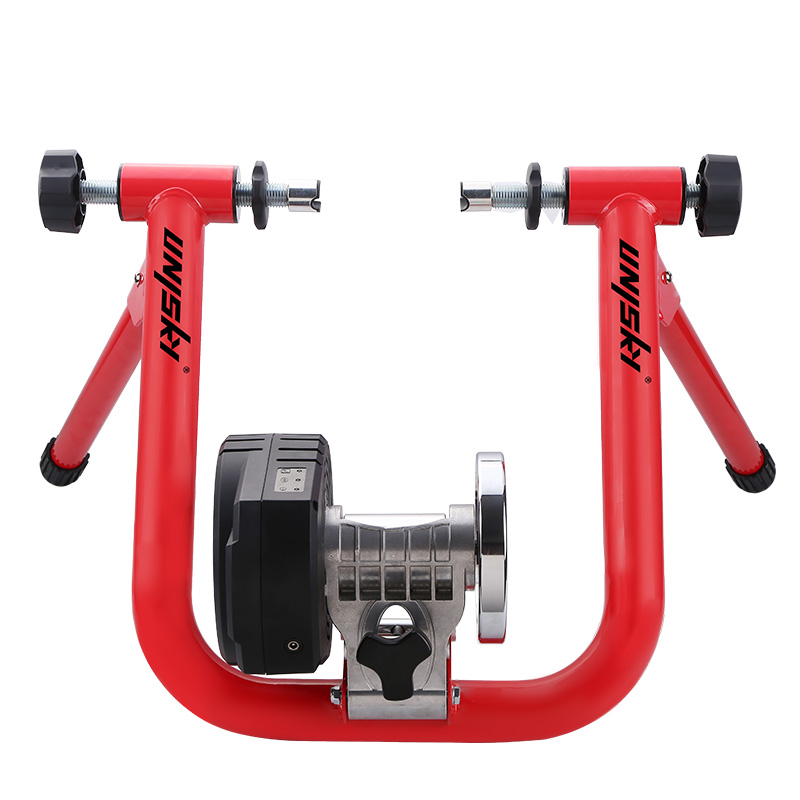
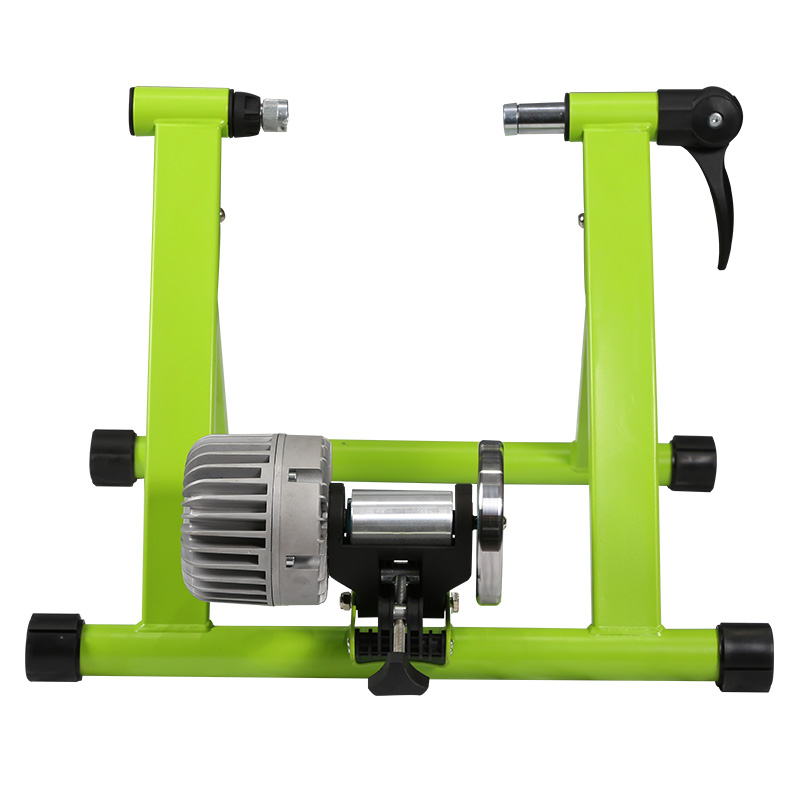
| Wheel-On Magnetic | Manual or remote magnetic resistance | Roller wear, inconsistent tire contact pressure |
| Fluid Trainers | Impeller rotating in silicone fluid | Seal leakage, fluid degradation over time |
For smart trainers, connectivity protocols are non-negotiable. Ensure the manufacturer uses licensed or certified Bluetooth FTMS (Fitness Machine Service) and ANT+ FE-C (Fitness Equipment Control) chips to guarantee compatibility with major virtual cycling platforms. Furthermore, the internal strain gauges or optical sensors used to calculate wattage must be calibrated at the factory level to achieve the industry standard of +/- 1 to 2 percent power accuracy.
Need help identifying manufacturers with proven capabilities in precision dynamic balancing and reliable ANT+/BLE integration? We can streamline your supplier vetting process.
Talk to our teamQuality Control and Manufacturing Risks
A bike trainer operates under high torque, heavy static loads, and significant vibration. Defects in manufacturing not only ruin the user experience but can lead to costly returns and safety liabilities.
Implementing stringent quality control & inspection protocols is essential, particularly during the assembly of the flywheel and the PCB (Printed Circuit Board). Flywheels must undergo dynamic balancing; an unbalanced flywheel weighing 5 to 8 kilograms spinning at high RPMs will cause severe vibration, damaging the internal bearings and the trainer's casing.
Critical Factory-Level QC Checks
- Dynamic balancing verification for all flywheels (tolerance limits must be specified in the PO).
- Thermal testing on PCBs to ensure electromagnetic resistance units do not overheat under sustained high-wattage loads.
- Seal integrity pressure tests for fluid trainer resistance units to prevent silicone oil leaks.
- Calibration verification of power meters across multiple wattage steps (e.g., 150W, 300W, 800W).
- Drop testing and vibration testing of final packaged units to simulate freight conditions.
Because smart trainers contain active radio transmitters, they are subject to strict regulatory standards. You must ensure the factory has current, verifiable documentation for FCC (US), CE (Europe), and IC (Canada) standards. Utilizing professional compliance & testing services early in the sourcing process prevents customs seizures and market-entry delays.
Production Realities: MOQs, Lead Times, and OEM
The manufacturing hubs for high-end cycling equipment are heavily concentrated in Taiwan and specific regions of mainland China (such as Shenzhen and Ningbo). Pricing and minimum order quantities (MOQs) vary significantly depending on whether you are purchasing off-the-shelf white-label units or developing a custom product.
If you are pursuing OEM/ODM services to develop a proprietary trainer design, expect significant upfront tooling costs for custom injection-molded casings and die-cast structural legs. Custom firmware development and app integration will also extend the initial product development cycle by several months.
Managing tooling costs, firmware development, and production timelines requires dedicated oversight. Discuss your private-label or OEM project with our sourcing engineers.
Get a free consultationFrequently Asked Questions
Successfully sourcing bike trainers requires balancing heavy-duty mechanical durability with precise, stable electronics. By establishing strict tolerances for dynamic balancing, mandating rigorous PCB thermal testing, and verifying wireless compliance before production begins, you can secure reliable products that withstand the demands of serious cyclists.
Get Sourcing Help for Bike Trainers & Accessories
Tell us your requirements and our experts will connect you with verified manufacturers.