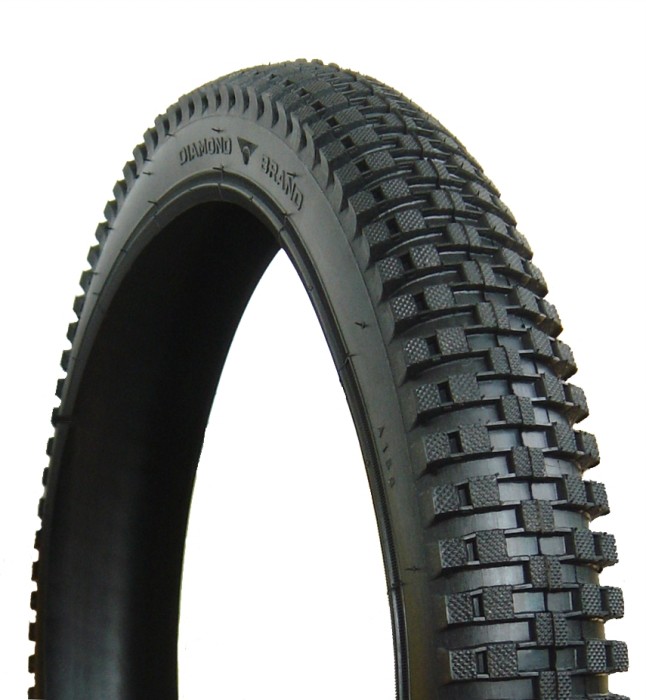
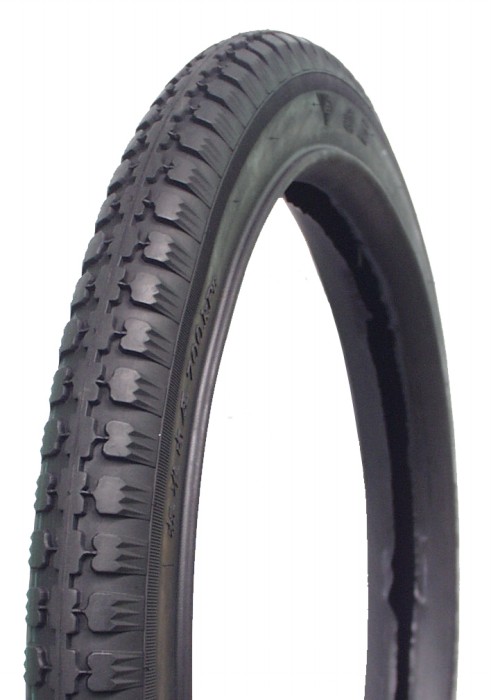
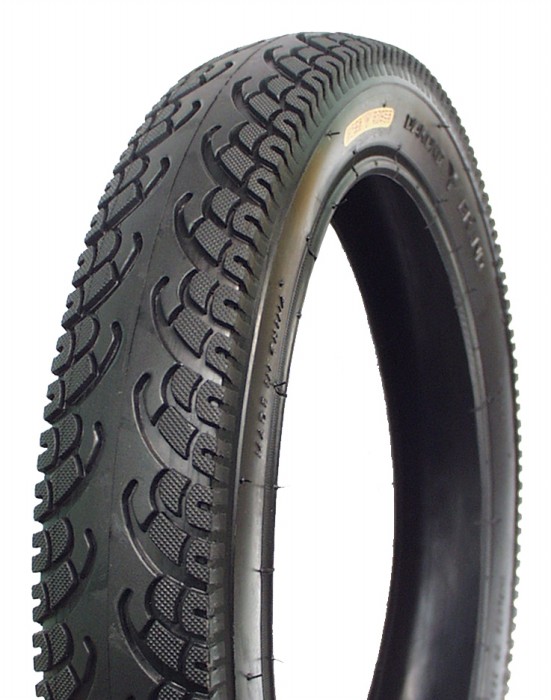
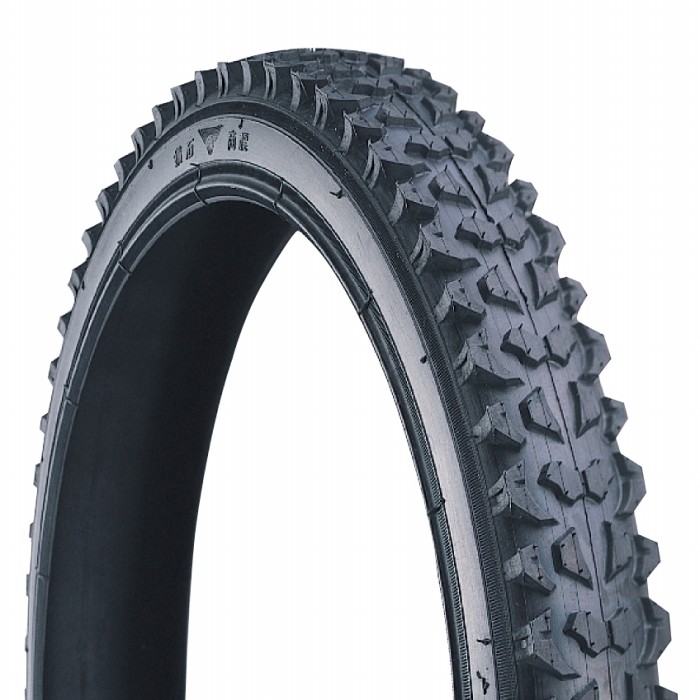
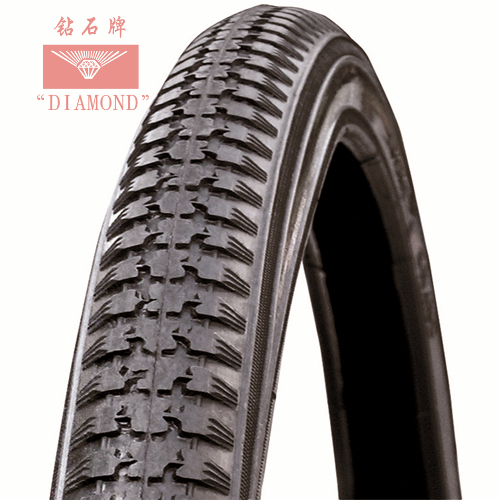
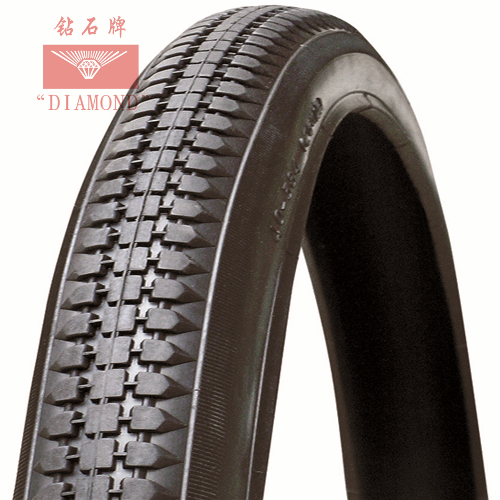
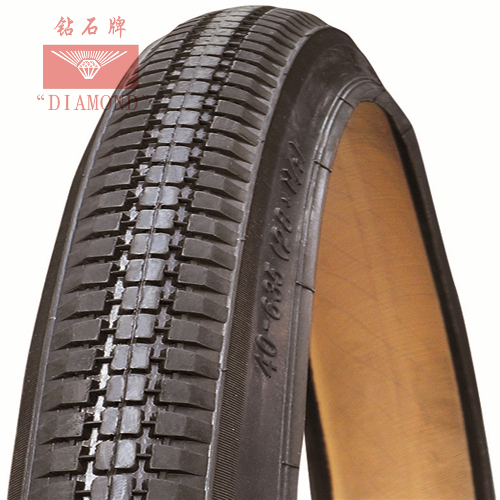
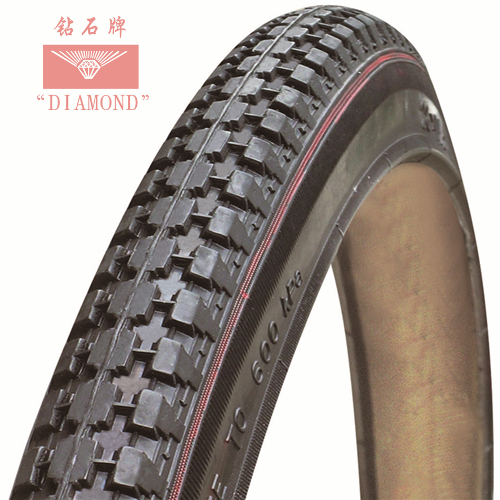
Bicycle Tires
Source bulk bicycle tires from vetted manufacturers and wholesale suppliers across Asia. This catalog is designed for importers, distributors, and cycling brands seeking reliable OEM, ODM, or private-label production. Compare factory-direct pricing and capabilities for high-volume tire procurement.
Sourcing bicycle tires at volume requires balancing rolling resistance, durability, and cost. Whether you are stocking replacement clinchers for urban commuters or developing a proprietary tubeless-ready gravel tread, the core challenge lies in factory consistency. Rubber compounding and vulcanization are highly sensitive processes; a slight deviation in curing time or temperature can ruin an entire batch's grip, casing integrity, and overall lifespan.
Specifying Tires for Bulk Production
When approaching manufacturers, a generic request for "mountain bike tires" will yield wildly inconsistent quotes. To get accurate pricing and production feasibility, you must specify the exact structural components of the tire.
The casing's thread count (TPI - Threads Per Inch) dictates the fundamental character of the tire.
| Characteristic | Low TPI (20-60) | High TPI (120+) |
|---|---|---|
| Casing Thickness | Thicker rubber coating | Thinner rubber coating |
| Weight | Heavier | Lighter |
| Puncture Resistance | High (inherent to casing) | Requires breaker belts |
| Ride Quality | Stiff, lower compliance | Supple, conforms to terrain |
| Typical Application | Entry-level, Commuter, E-Bike | Racing, Premium aftermarket |
Beyond TPI, your specification sheet must detail:
- Bead Material: Wire (steel) for entry-level and heavy-duty applications, or folding (aramid/Kevlar) for lightweight and premium models.
- Compound Formulation: Single compound for cost-efficiency, or dual/triple compounds (harder center for rolling efficiency, softer shoulders for cornering grip).
- Puncture Protection: Specify the exact type of sub-tread breaker (e.g., 1.5mm high-density nylon, aramid belt, or bead-to-bead casing reinforcement).
The Manufacturing Floor: Where Quality is Won or Lost
Bicycle tire manufacturing is a multi-stage process involving rubber mixing, calendering (coating the casing fabric with rubber), tire building, and vulcanization. The most critical phase is the rubber compounding. Factories must precisely mix raw natural or synthetic rubber with carbon black, silica, sulfur, and various accelerators.
If a factory lacks strict climate control in their raw material storage or uses outdated Banbury mixers, the resulting compound will suffer from inconsistent Shore A hardness. This leads to tires that either wear out too quickly or fail to provide adequate grip. Conducting comprehensive factory audits before placing an order is essential to verify the supplier's mixing capabilities and curing press calibration.
Struggling to find a tire factory with consistent compounding and curing capabilities? Let our sourcing engineers match you with vetted manufacturers.
Get a free consultationDefect Prevention and Quality Control
Even with top-tier equipment, defects can emerge during the tire building process where the plies, bead, and tread are manually or semi-automatically assembled on a drum.
Establishing a rigorous quality control & inspection protocol is non-negotiable. Inspectors should pull samples from each batch to test for:
Critical Tire Inspection Points
- Radial and Lateral Runout: Ensure the tire spins true without hops or wobbles (tolerance typically under 1.5mm).
- Bead Diameter Tolerance: Critical for tubeless-ready (TLR) tires to ensure safe seating without blow-offs.
- Weight Variance: Excessive weight variation indicates inconsistent rubber application during calendering or tread extrusion.
- Casing Integrity: Visual inspection for exposed casing threads, dry spots, or delamination at the tread juncture.
- Vulcanization Flash: Checking for excessive rubber flash along the mold parting lines.
Additionally, if you are importing into the European Union, the rubber compounds must comply with REACH regulations, specifically regarding the limits on Polycyclic Aromatic Hydrocarbons (PAHs). Engaging third-party compliance & testing services ensures your shipments won't be rejected at customs.
Production Economics: MOQs, Pricing, and Lead Times
Tire manufacturing is a volume game driven by mold utilization and rubber batch sizes.
If you are utilizing OEM/ODM services to create a proprietary tread pattern, you will need to invest in new molds. Mold costs vary based on the complexity of the tread, the size of the tire, and whether the mold is a standard two-piece clamshell or a segmented mold (required for complex, deep-lug mountain bike tires).
Need accurate tooling quotes for a custom tire design or negotiating better terms on standard treads? We can manage the procurement process from end to end.
Talk to our teamFrequently Asked Questions
Successful tire sourcing relies on treating your supplier as a technical partner rather than just a vendor. By clearly defining your TPI, compound parameters, and acceptable defect tolerances upfront, you protect your brand's reputation and ensure a smooth procurement cycle. If you need experienced boots on the ground to audit facilities, oversee mold development, or run pre-shipment inspections, our team is ready to assist.
Get Sourcing Help for Bicycle Tires
Tell us your requirements and our experts will connect you with verified manufacturers.