Bicycle Racks
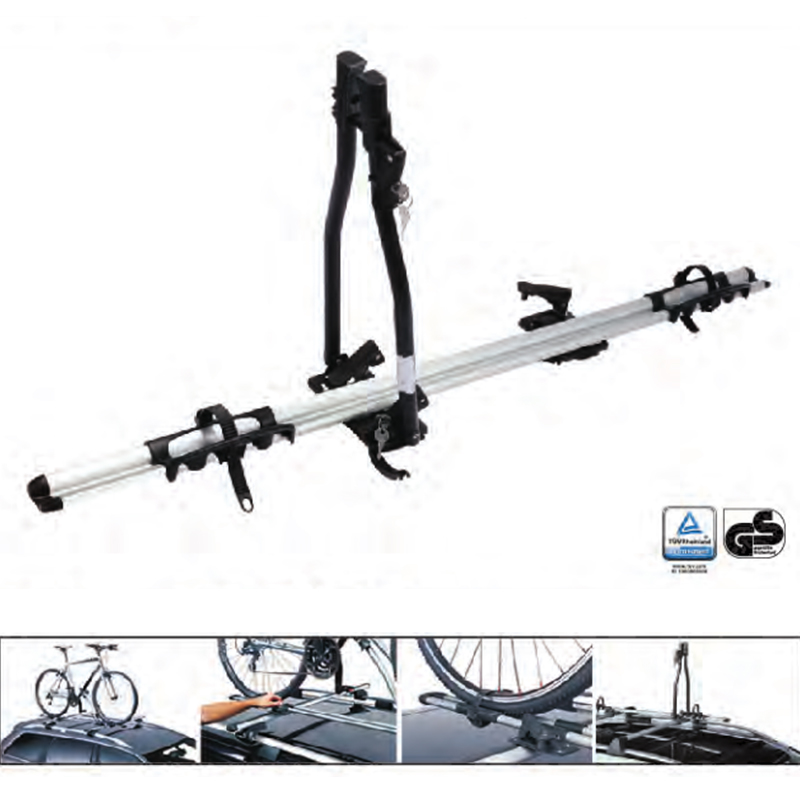
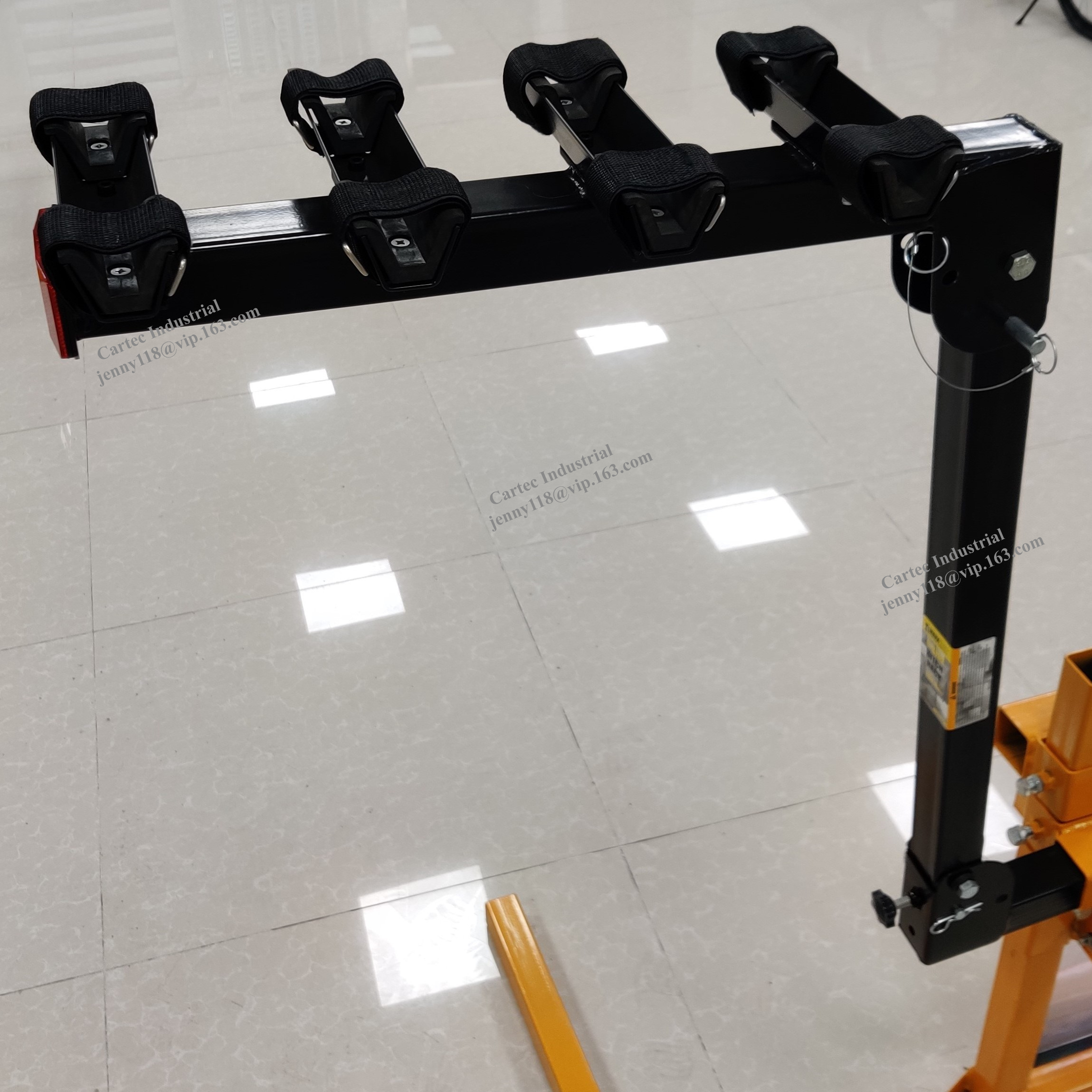
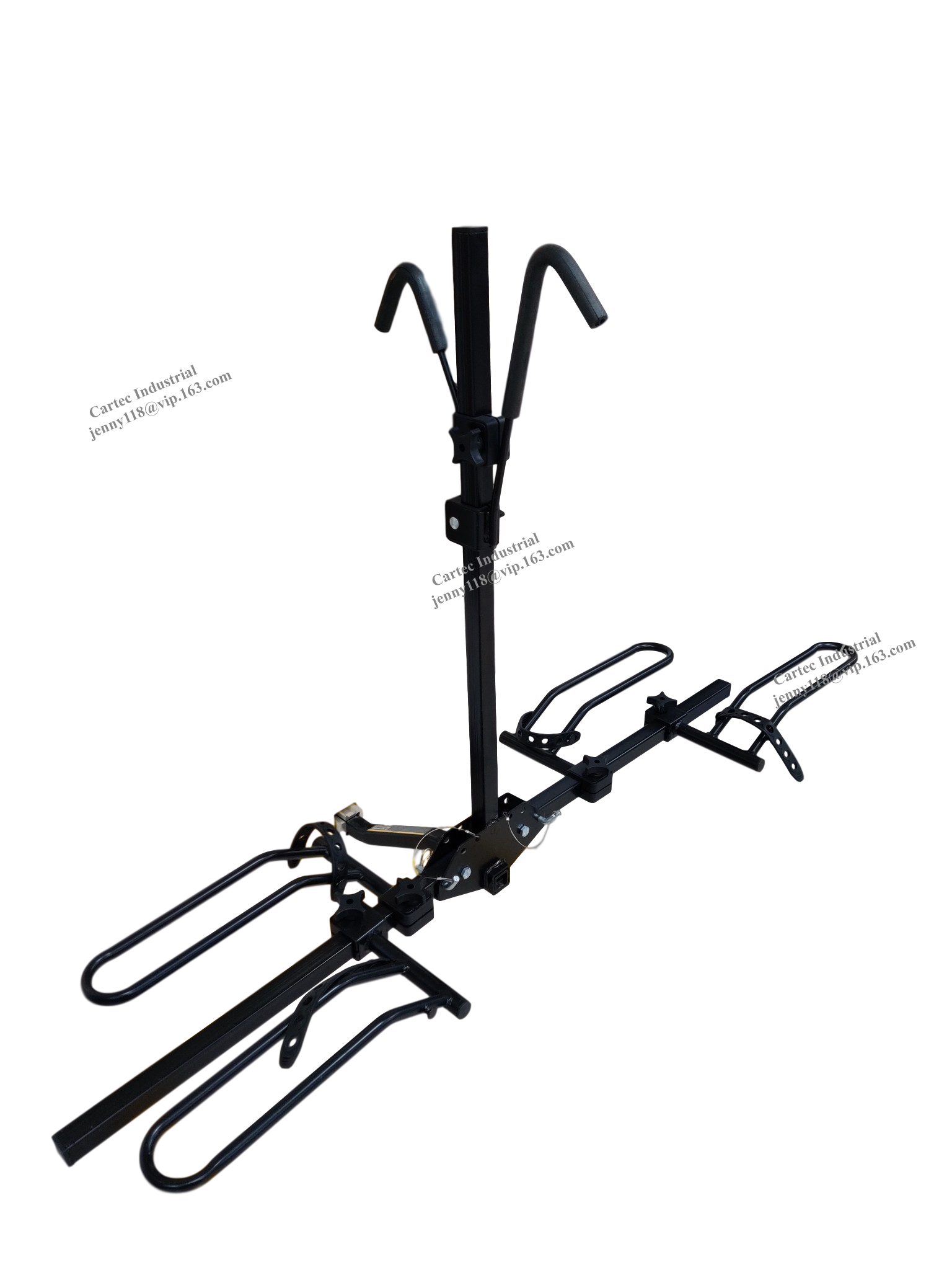
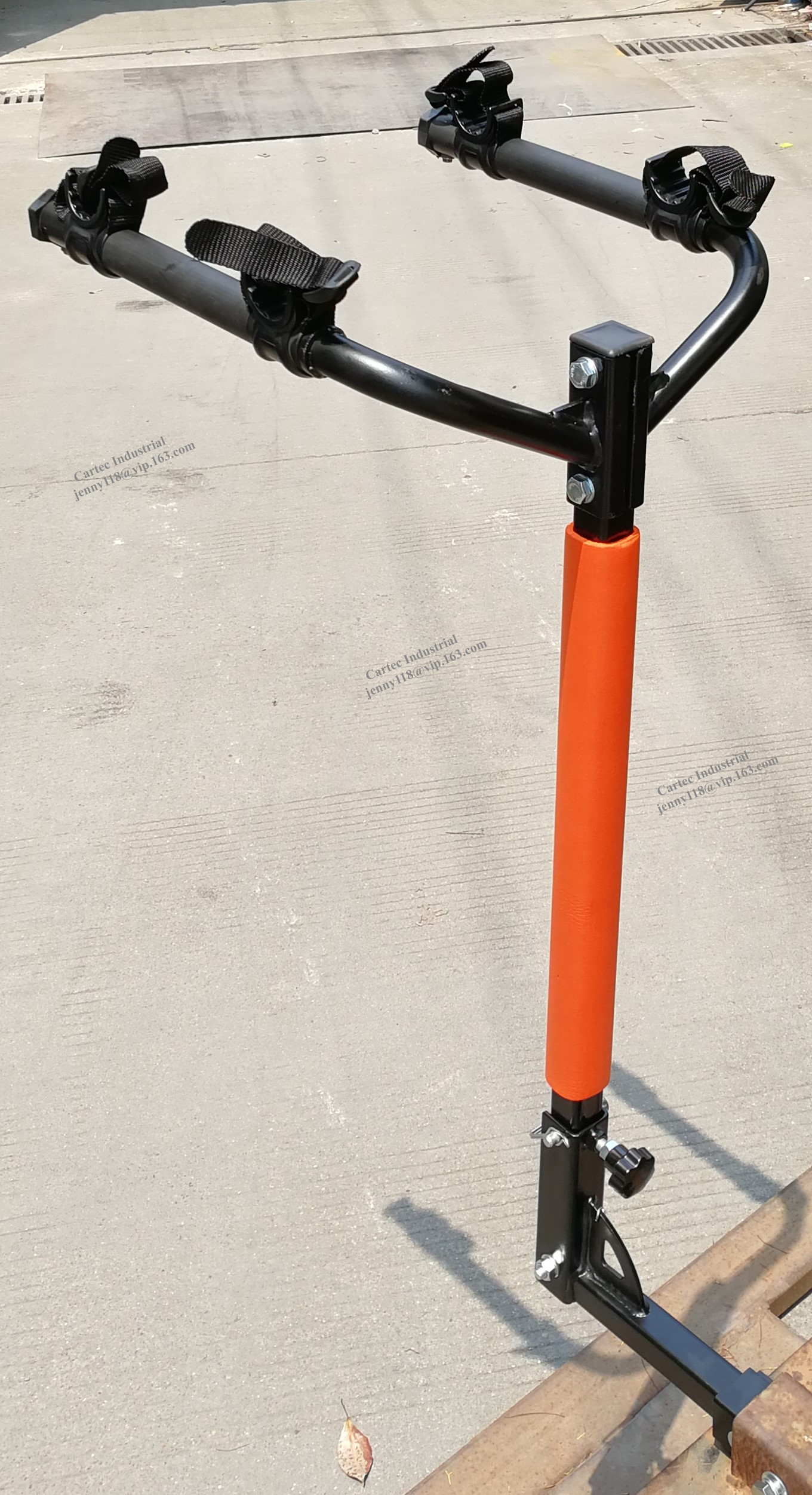
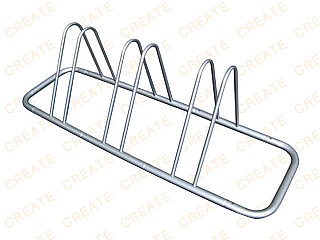
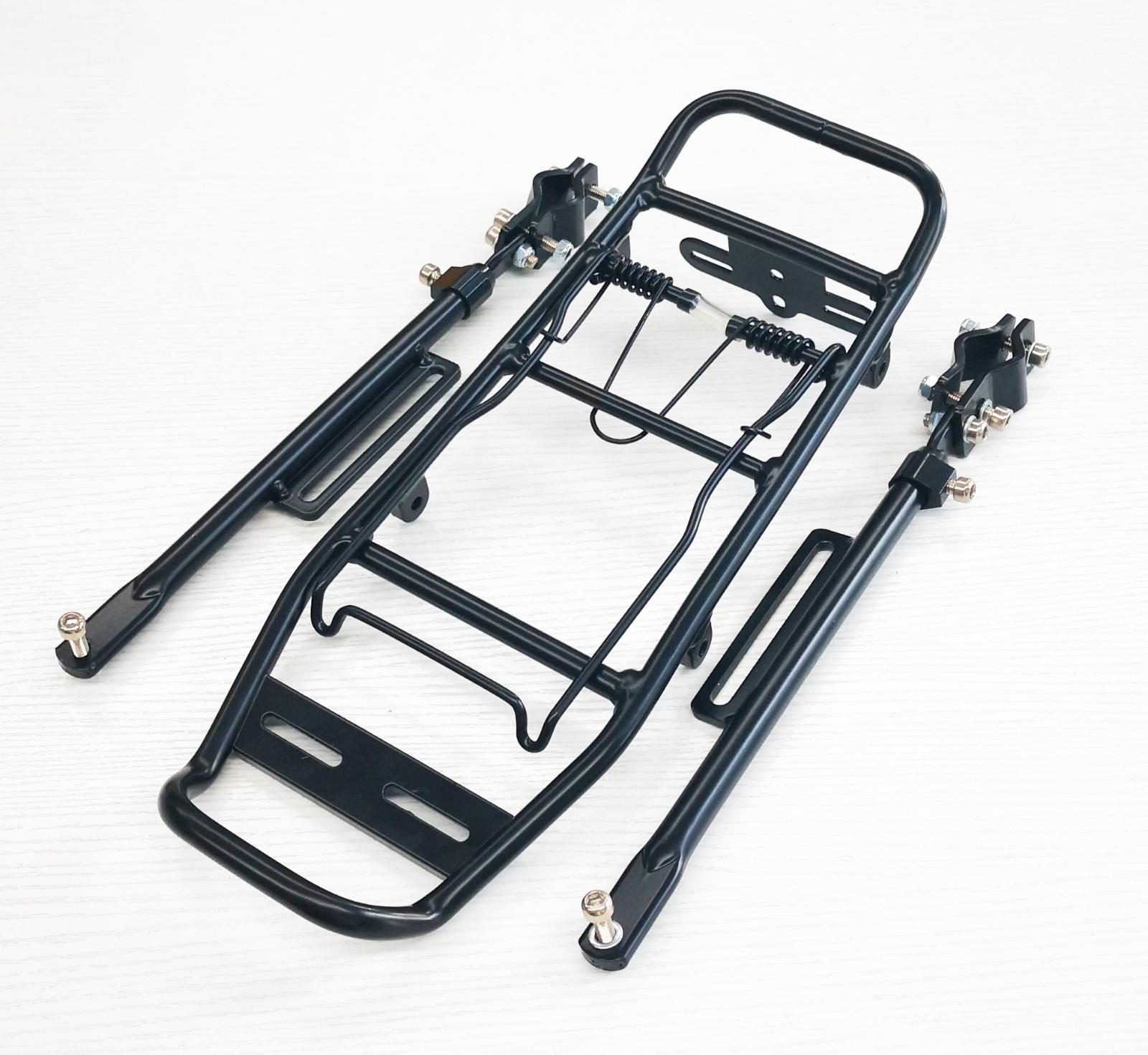
Source high-quality bicycle racks directly from vetted manufacturers and suppliers. Designed for importers, distributors, and brands seeking OEM or private-label production, our network delivers bulk orders of durable rear, front, and cargo racks built to strict international load and safety standards.
Sourcing bicycle racks at volume requires a precise balance of weight, load capacity, and universal fitment. Whether you are procuring standard rear commuter racks or heavy-duty cargo carriers for the expanding e-bike market, the core challenge remains consistent: ensuring structural integrity and weld quality under dynamic, real-world loads. A failure in a rack under load is a significant safety liability, making factory selection and rigorous quality control non-negotiable.
Material Selection and Structural Specifications
The foundation of any reliable bicycle rack is its material and tubular geometry. Most high-volume production utilizes tubular aluminum or steel, selected based on the target market's price point and durability requirements.
| Material | Common Alloy | Key Characteristics | Typical Application |
|---|---|---|---|
| Aluminum | 6061-T6 / 7005 | Lightweight, corrosion-resistant, requires thicker tubing (10mm-12mm) | Commuter, standard touring, e-bikes |
| Steel | Chromoly (CrMo) | High tensile strength, easily repairable, thinner tubing profiles | Heavy-duty expedition, cargo bikes |
| Steel (Hi-Ten) | High-Tensile | Heavy, lower cost, prone to rust if coating fails | Entry-level mass market |
When specifying racks for OEM/ODM Services, pay close attention to the mounting interfaces. Modern frame designs frequently feature disc brakes, requiring racks with specific standoff distances or lower-leg bends to clear the brake caliper. Additionally, specify the exact diameter of the pannier rails, as standard pannier hooks typically require tubing between 8mm and 12mm.
Engineering a custom rack requires precise tolerances. Talk to our team to find factories capable of complex tube bending and high-strength TIG welding.
Discuss your custom rack specificationsManufacturing Tolerances and Quality Control
The manufacturing process for tubular bicycle racks involves CNC tube bending, coping, welding, and surface treatment. The most critical failure point is the weld, particularly at the junctions between the main load-bearing stays and the mounting eyelets.
Implementing strict Quality Control & Inspection is essential to catch defects before they leave the factory floor.
Critical QC Checks for Bicycle Racks
- Weld Integrity: Inspect for porosity, cold welds, or undercut at all TIG or MIG joints.
- Dimensional Accuracy: Verify the width between lower mounting points matches standard hub spacings (e.g., 135mm or 142mm).
- Surface Finish: Test powder coating or anodizing thickness to ensure adequate corrosion resistance.
- Hardware Quality: Ensure included mounting bolts are high-tensile stainless steel (e.g., A2-70 or better).
Compliance with international standards is also vital. In Europe, luggage carriers must comply with EN 14872, which dictates static load testing, dynamic vibration testing, and lateral stability. Racks are typically rated for 10kg, 18kg, or 25kg (with 25kg being the standard required for mounting a child seat).
Buying Mechanics: MOQs, Pricing, and Lead Times
Understanding the operational realities of Asian manufacturing hubs—primarily concentrated in mainland China and Taiwan—helps in planning your procurement cycle. Pricing is highly dependent on material costs (especially aluminum indexing), welding complexity, and the quality of the surface finish.
When planning your supply chain, factor in the tooling costs if you are developing a proprietary design. Standard open-mold designs from factories can bypass these tooling fees, but custom jigs for specialized frame geometries will require an upfront investment. Partnering with an expert in Product Sourcing can help you navigate these negotiations and identify factories that already possess the necessary tooling for your target specifications.
Struggling with inconsistent weld quality or rising minimum order quantities? Let our team audit your supply chain and connect you with top-tier cycling accessory manufacturers.
Get a sourcing assessmentFrequently Asked Questions
Sourcing bicycle racks at scale means managing the intersection of structural engineering and cost-efficient manufacturing. By demanding strict adherence to load standards and prioritizing factories with advanced welding and testing capabilities, you protect your brand from costly liability and ensure a reliable product for the end user.
Get Sourcing Help for Bicycle Racks
Tell us your requirements and our experts will connect you with verified manufacturers.