Bicycle Pumps
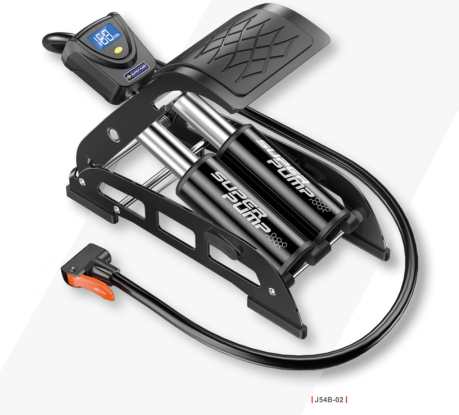
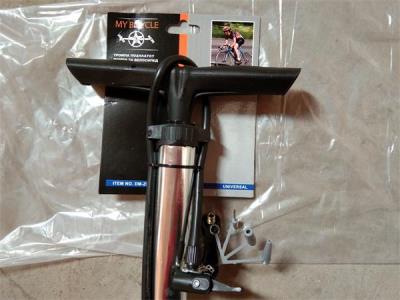
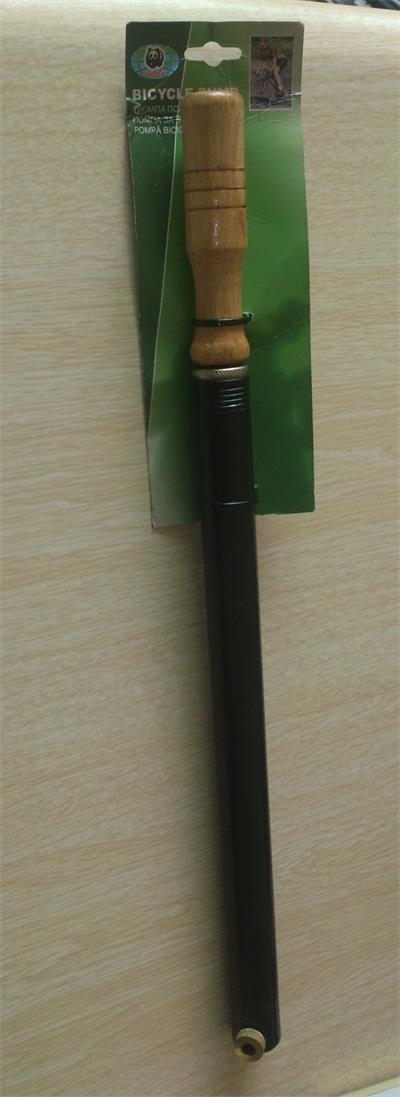
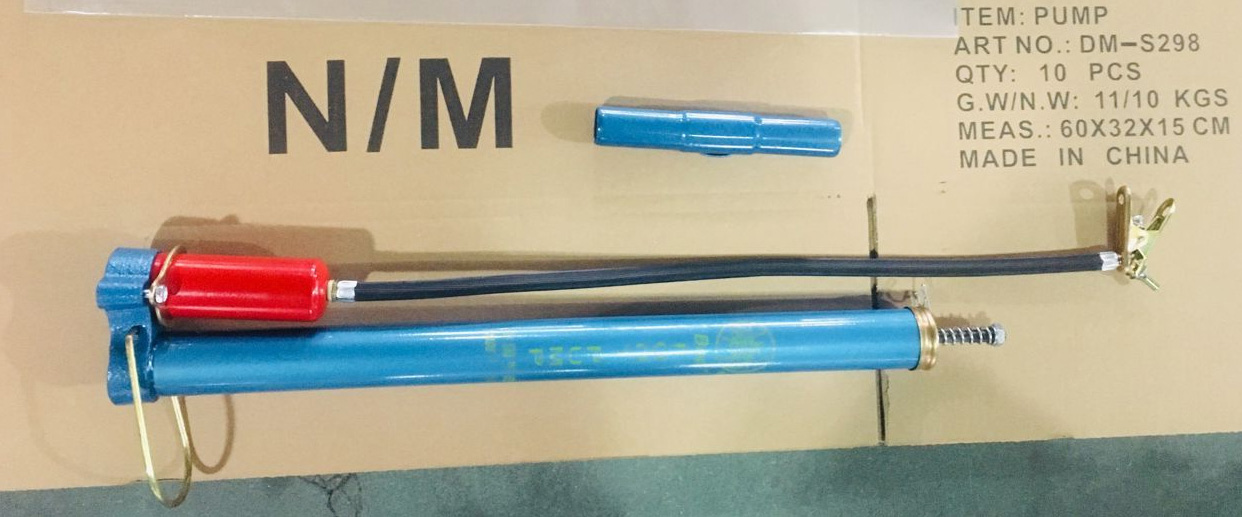
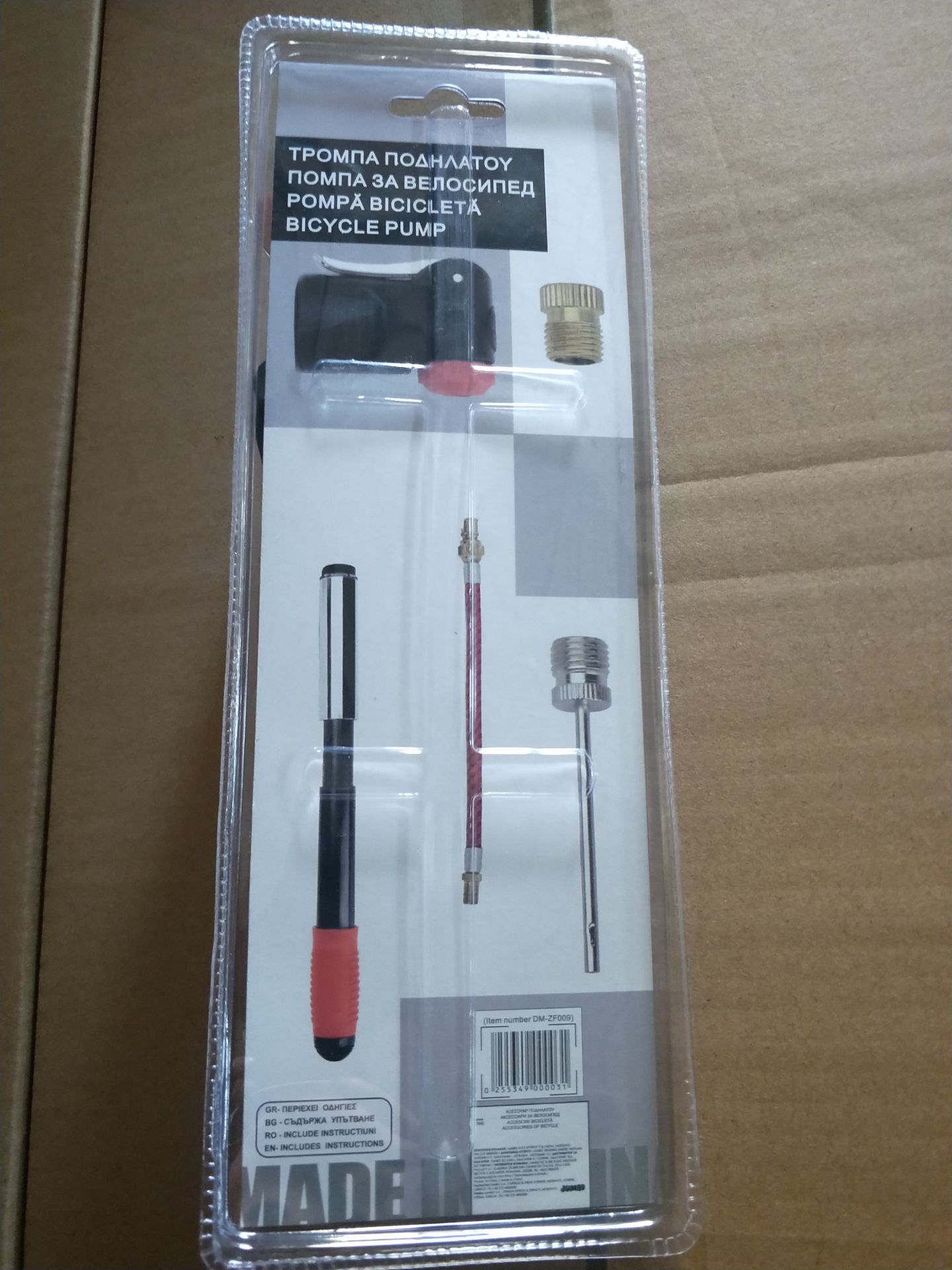
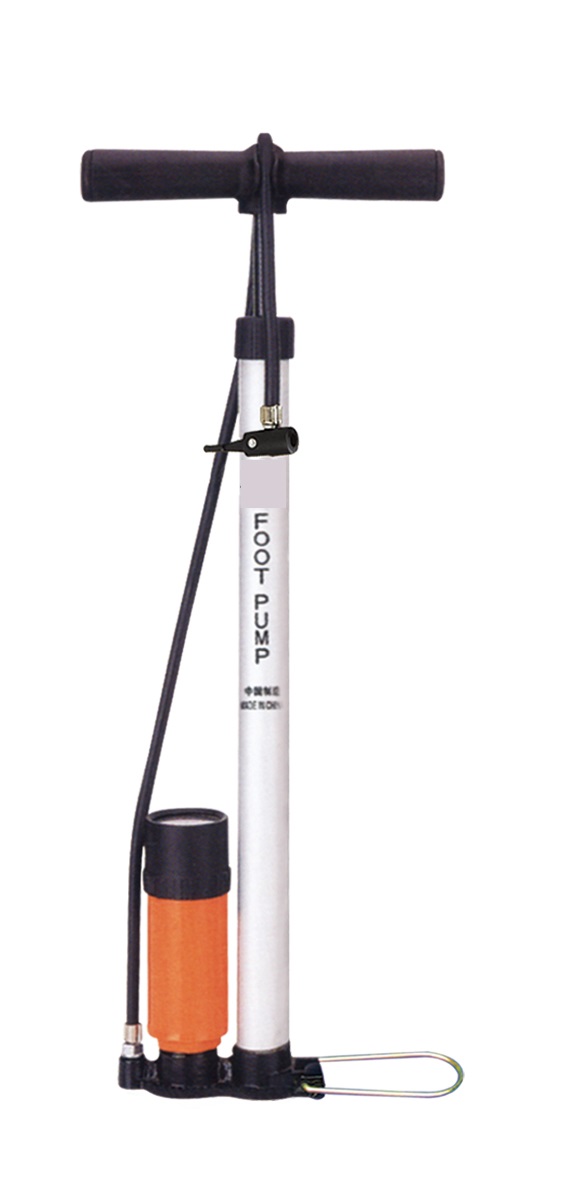
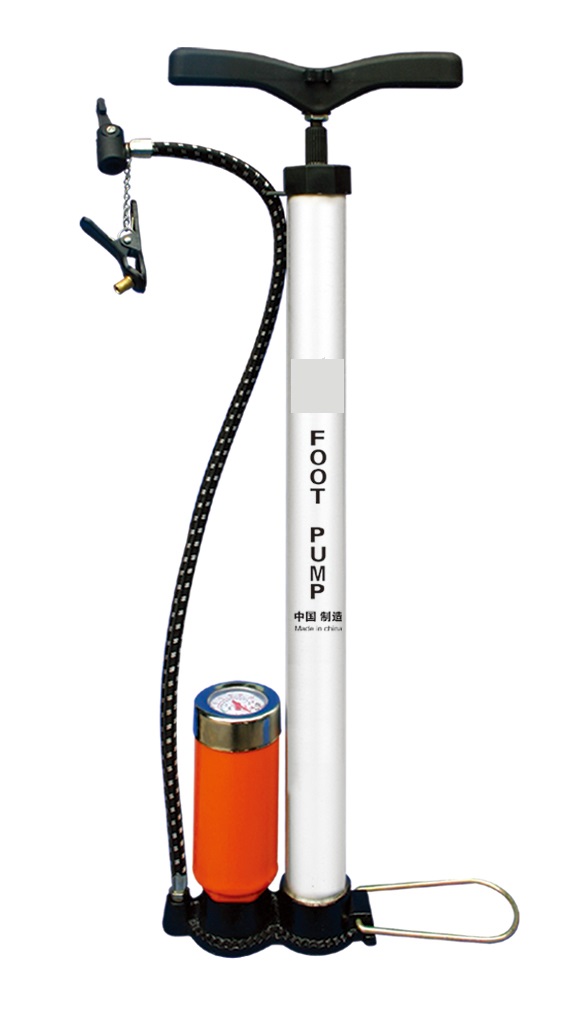
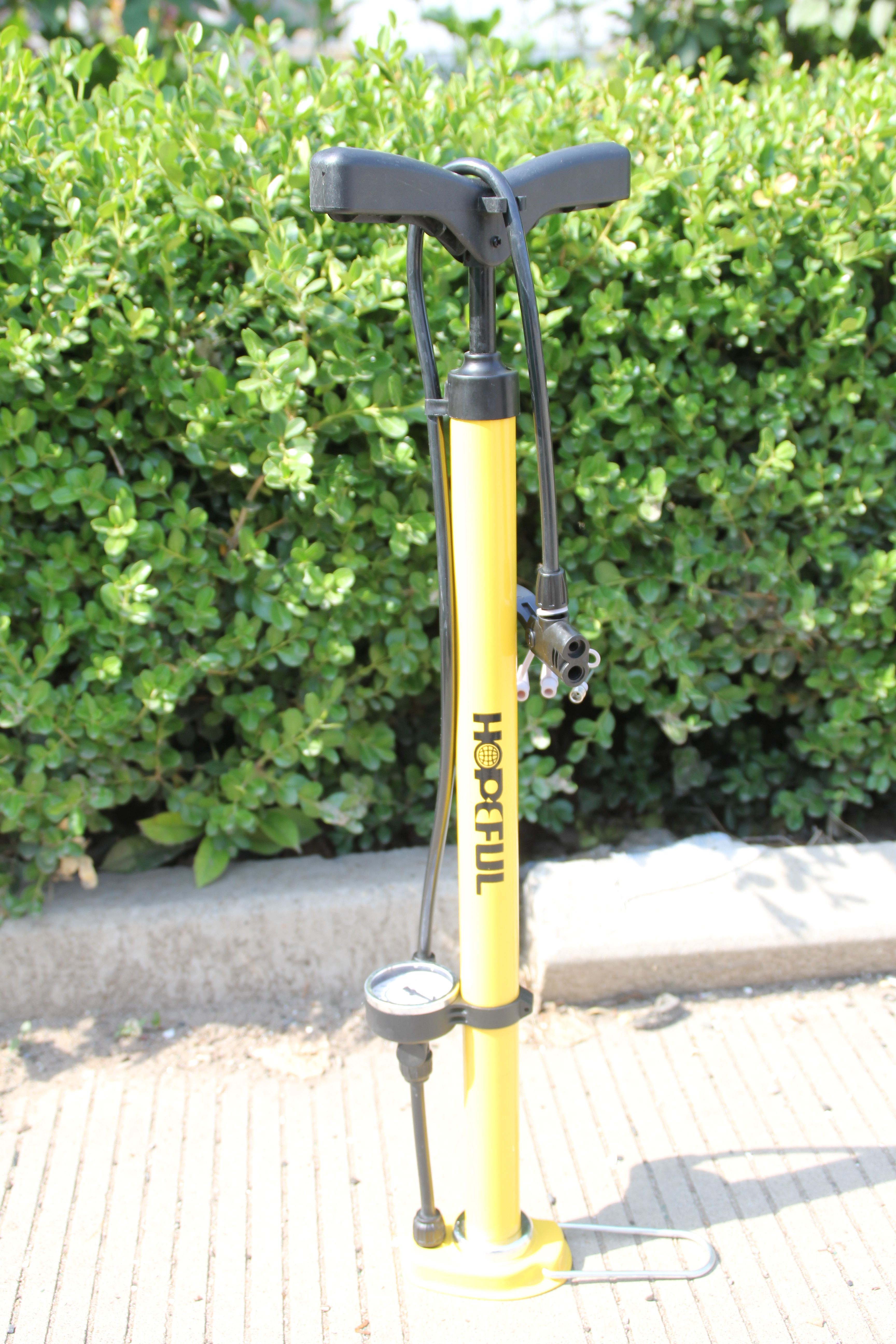
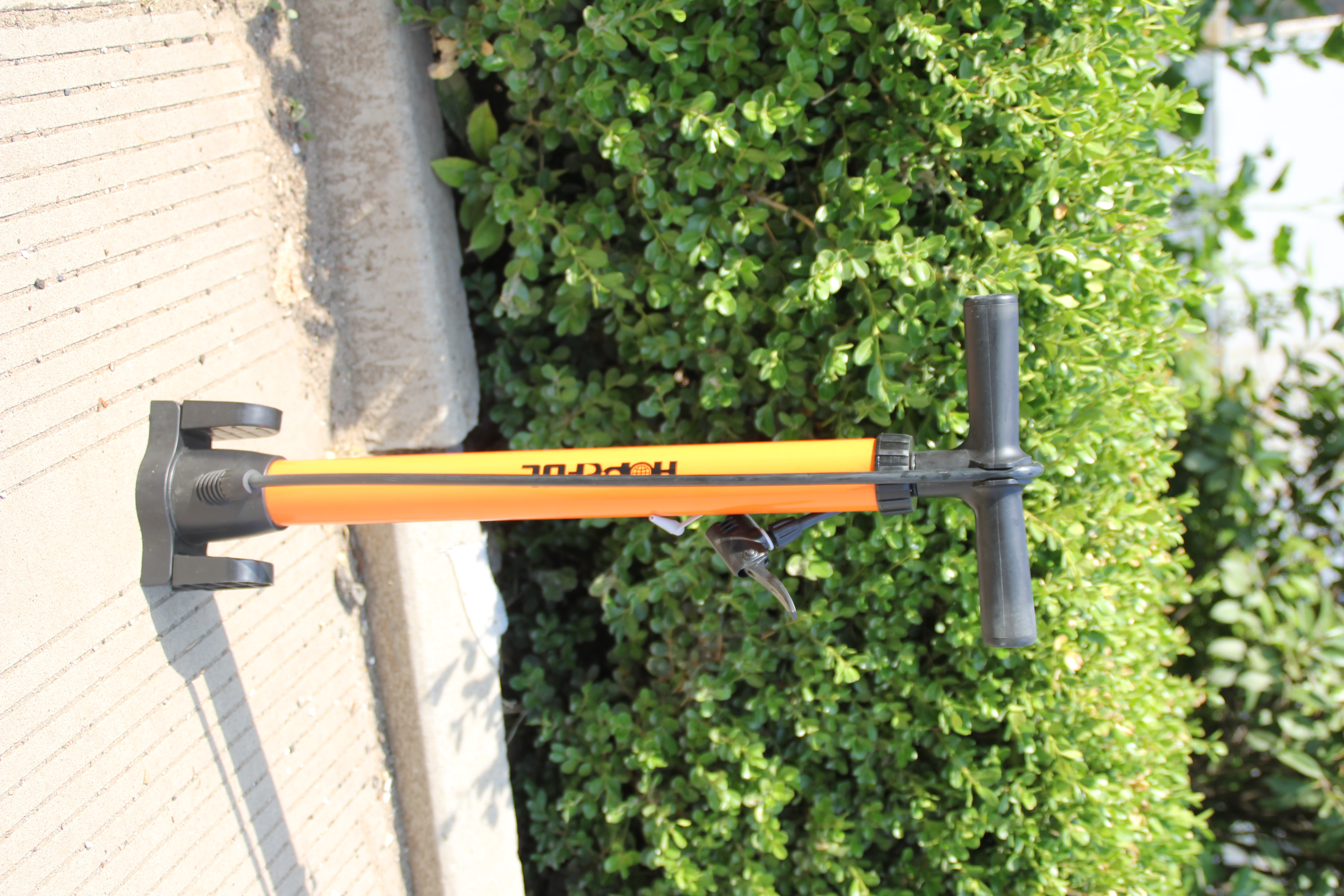
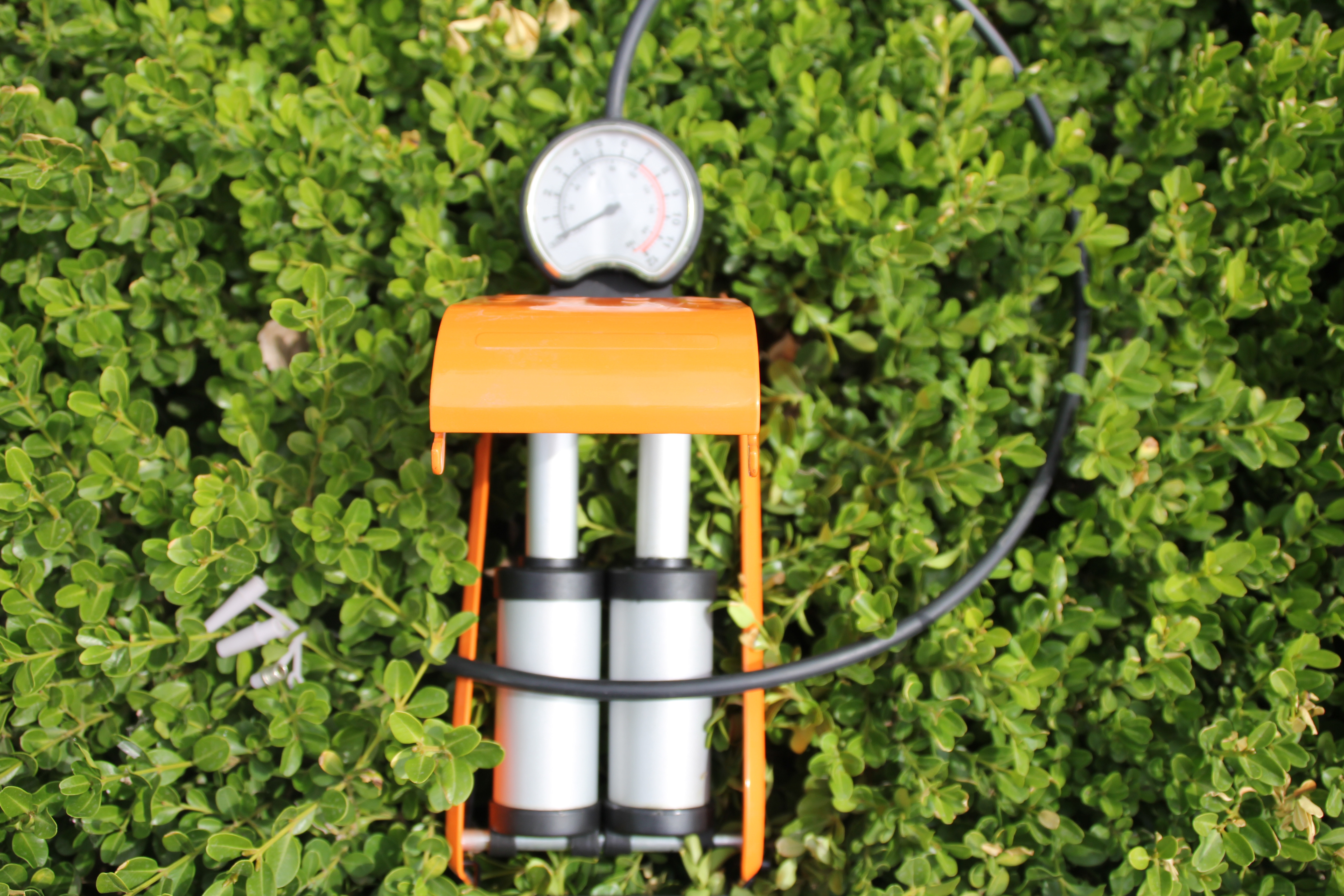
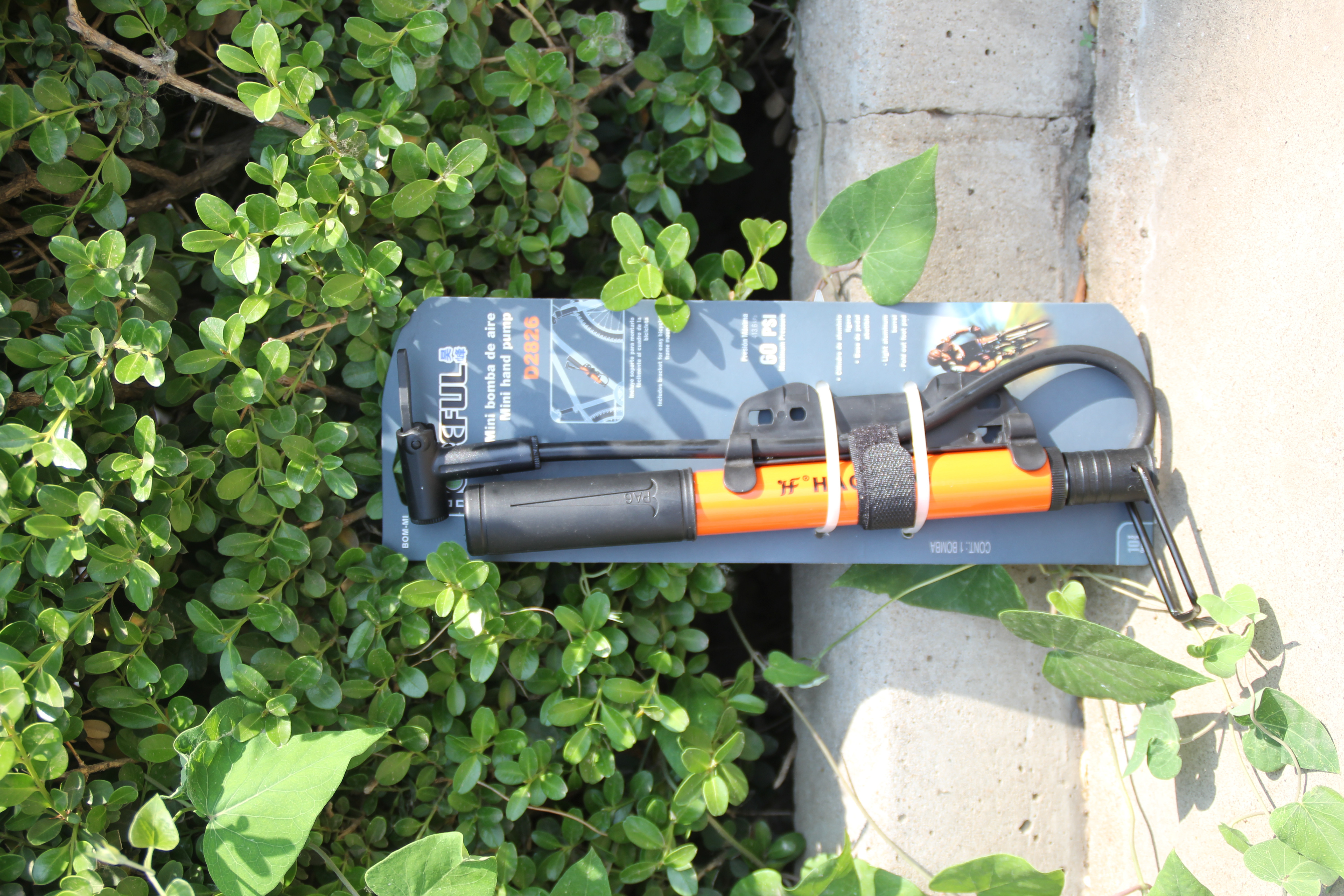
Source premium bicycle pumps in bulk from vetted Chinese and Asian manufacturers. Designed for importers, wholesale distributors, and cycling brands requiring high-volume procurement or custom OEM/private-label production, this category covers everything from precision mini pumps to high-PSI floor models.
Sourcing reliable bicycle pumps at scale requires strict attention to pneumatic sealing, barrel material tolerances, and valve head durability. Whether you are procuring high-volume floor pumps for a mass-market retail channel or precision CNC-machined mini pumps for a premium cycling brand, factory selection dictates product lifespan and user safety under high pressure.
Key Specifications and Manufacturing Tolerances
A bicycle pump's performance is defined by its stroke volume, maximum pressure threshold, and the integrity of its internal seals. When specifying requirements to a factory, buyers must detail the exact materials and tolerances expected, as these directly impact both unit cost and functionality.
| Pump Category | Typical Max Pressure | Barrel Material | Primary Valve Fitment |
|---|---|---|---|
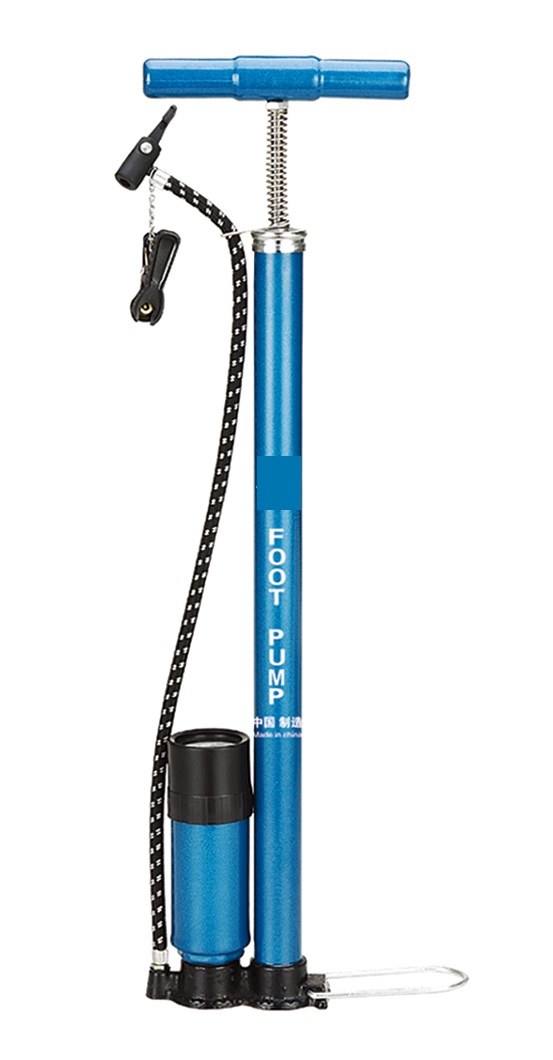
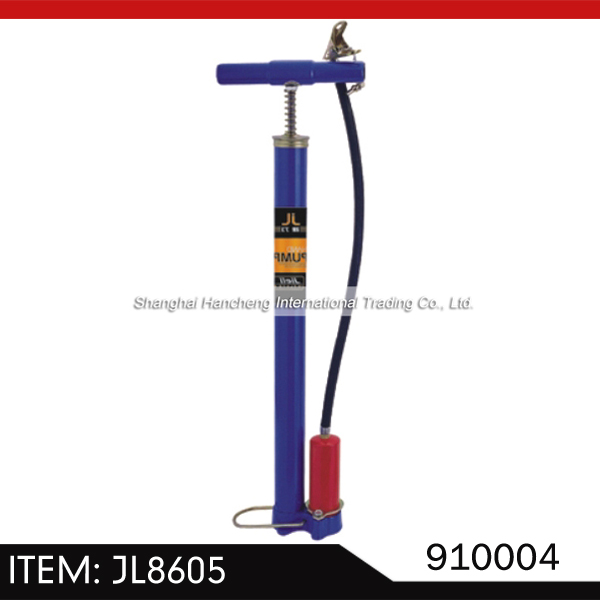
| Floor Pumps | 120 to 160 PSI | Steel or Aluminum Alloy | Smart Head / Reversible |
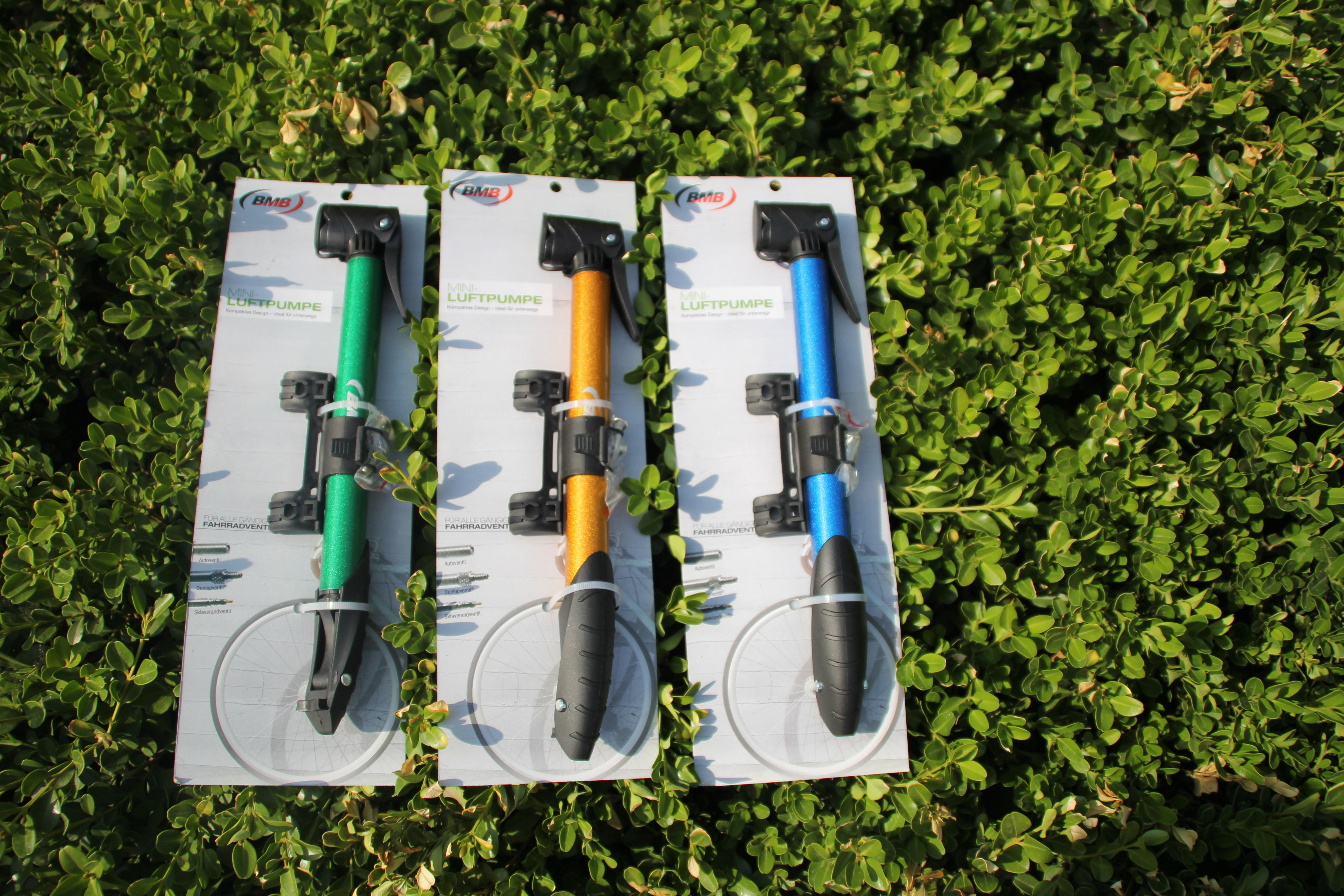
| Mini / Hand Pumps | 80 to 120 PSI | Aluminum or Reinforced Polymer | Reversible / Thread-on |
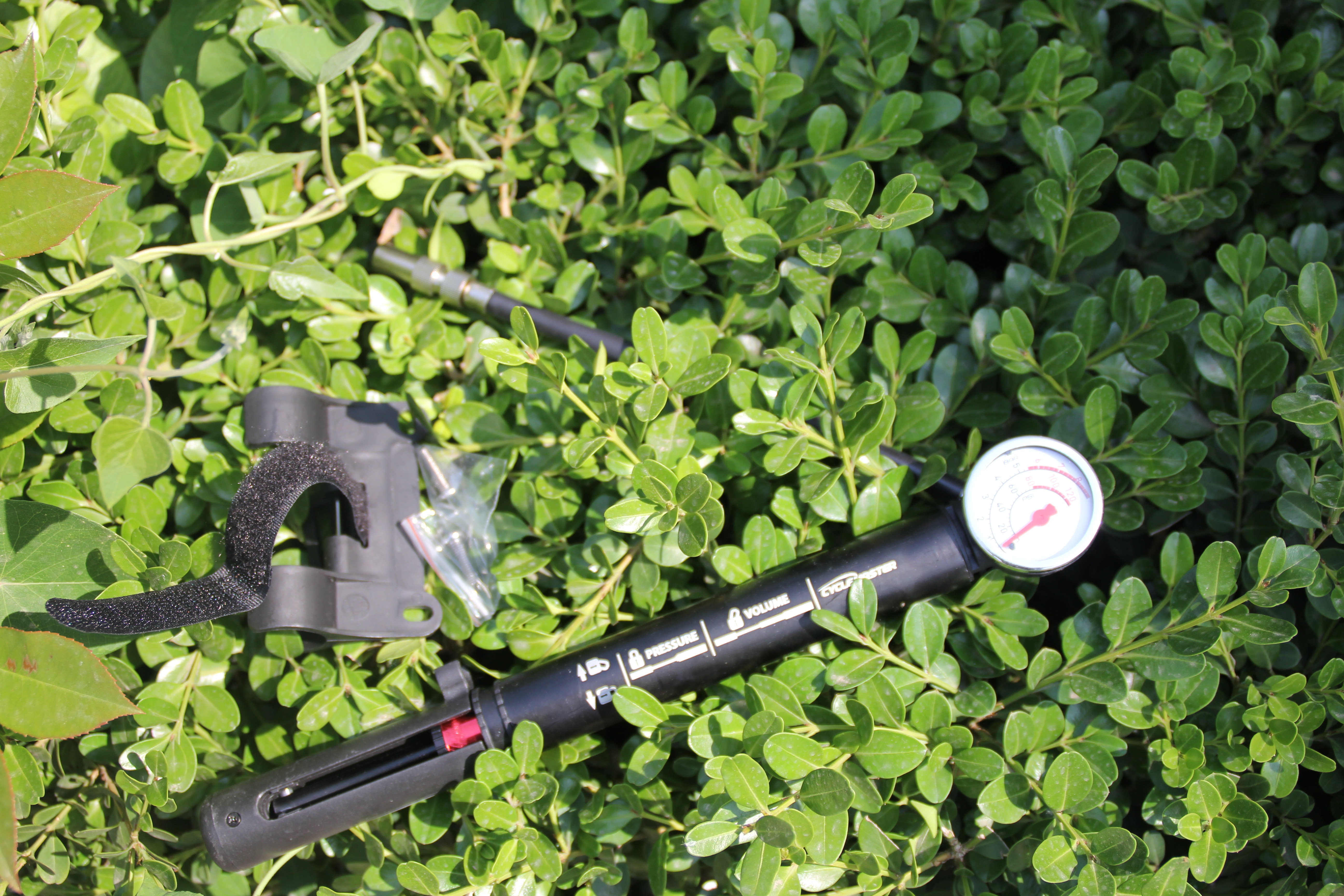
| Shock Pumps | Up to 300 PSI | CNC Aluminum | Schrader (Zero-loss) |
The most critical component in any pump is the plunger assembly. The O-ring must maintain a perfect seal against the inner barrel wall while minimizing friction. Premium models utilize NBR (Nitrile) or silicone O-rings paired with internally honed aluminum barrels, whereas budget models often rely on standard rubber and extruded steel, which can suffer from micro-abrasions over time.
Need to verify a pump manufacturer's pressure testing capabilities? We can evaluate their production lines and quality management systems.
Talk to our teamQuality Control Vulnerabilities on the Factory Floor
Pump manufacturing involves metal extrusion, plastic injection molding, and precise assembly. Minor deviations during any of these stages result in air leaks, inaccurate gauge readings, or catastrophic failure at high PSI.
Implementing strict Quality Control & Inspection during and after assembly is non-negotiable. Inspectors should focus on the following high-risk areas:
Critical Pump Inspection Points
- Pressure retention: Test pumps at 110 percent of rated max PSI for 60 seconds to check for micro-leaks.
- Gauge calibration: Verify analog and digital gauge accuracy against a calibrated master pneumatic tester (tolerance should be within 2 to 3 percent).
- Valve engagement: Ensure the locking lever provides sufficient cam-action force without damaging Presta valve cores.
- Hose crimping: Inspect the ferrule crimps at the base and pump head to prevent blowouts under pressure.
- Handle stability: Apply lateral force to the handle at full extension to test shaft rigidity and cap threading.
Sourcing Mechanics: MOQ, Lead Times, and Pricing Drivers
The bicycle pump supply chain is highly mature, but pricing and minimum order quantities vary significantly based on the level of customization. Off-the-shelf designs with simple logo printing offer lower barriers to entry, while custom tooling requires higher upfront investment.
For brands requiring custom barrel extrusions, proprietary handle molds, or specific digital gauge integrations, utilizing professional OEM/ODM Services ensures your tooling investments are protected and manufactured exactly to spec.
Factory Selection Criteria
Not all metalworking factories are equipped to produce high-pressure pneumatic tools. A reliable supplier must have in-house pressure testing jigs and ideally perform their own CNC machining for critical valve components. Relying on sub-contractors for the pump head assembly often leads to inconsistent batch quality.
Factory Audits
Verify a supplier's CNC capabilities, assembly lines, and pressure testing equipment before committing to tooling or bulk orders.
Struggling with high defect rates or inconsistent gauge accuracy from your current supplier? Let's discuss a more reliable sourcing strategy.
Get a free consultationFrequently Asked Questions
Procuring bicycle pumps that consistently perform at high pressures requires looking beyond the unit price. By focusing on internal seal quality, gauge calibration, and factory testing capabilities, buyers can avoid costly post-shipment defects and build a product line that riders trust.
Get Sourcing Help for Bicycle Pumps
Tell us your requirements and our experts will connect you with verified manufacturers.