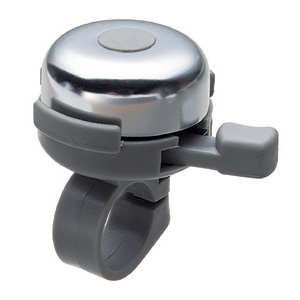
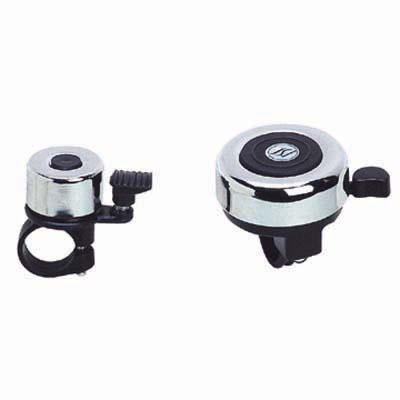
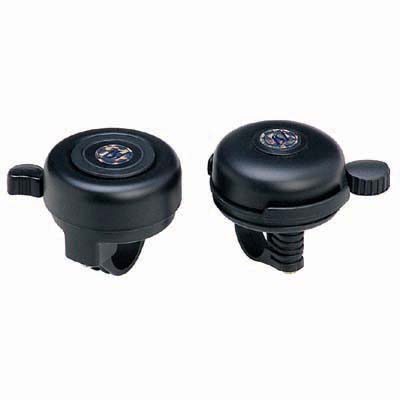
Bicycle Bells
Source high-quality bicycle bells from vetted manufacturers and wholesale suppliers across Asia. Built for importers, distributors, and cycling brands seeking reliable OEM and private-label production, our network delivers volume orders with consistent acoustic performance, durable materials, and compliant mounting systems.
Bicycle bells are deceivingly simple components. While the basic mechanical striker design has remained largely unchanged for decades, sourcing these in volume requires strict attention to material resonance, spring tension durability, and mounting bracket tolerances. For bulk buyers, the primary challenge is identifying factories that can maintain consistent acoustic output and corrosion resistance across large production runs without inflating unit costs.
Material Selection and Acoustic Performance
The dome (or cap) material is the single most important factor determining a bell's decibel (dB) output, tonal quality, and sustain. Factories typically stamp or CNC-machine these domes, and the choice of raw material directly dictates the target market for the finished product.
| Material | Acoustic Profile | Corrosion Resistance | Cost Tier |
|---|---|---|---|
| Brass | Rich, long sustain | Excellent | Premium |
| Aluminum Alloy | Sharp, short sustain | High (when anodized) | Economy to Mid-range |
| Stainless Steel | Bright, medium sustain | Very High | Mid-range |
| Carbon Steel | Dull, short sustain | Low (requires heavy plating) | Budget |
When specifying materials to a supplier, you must also define the wall thickness of the dome. A dome stamped too thin to save on raw material costs will sound tinny and fail to meet minimum decibel requirements for road safety in strict markets.
Struggling to find factories that consistently meet acoustic standards? Let us connect you with vetted bicycle bell manufacturers capable of precision metal stamping.
Talk to our teamManufacturing Tolerances and Quality Control
A bicycle bell operates in harsh outdoor environments, exposed to rain, road salt, and constant vibration. The failure points are rarely the dome itself, but rather the internal striker mechanism and the mounting hardware.
When establishing your Quality Control & Inspection protocols, instruct inspectors to focus on the following critical areas:
Critical Inspection Points for Bicycle Bells
- Spring Fatigue: The striker spring must maintain tension after thousands of actuations. Weak springs lead to a rattling sound over bumps.
- Mounting Bracket Tolerances: Rigid clamps must perfectly fit standard handlebar diameters (22.2mm, 25.4mm, or 31.8mm) without stripping the threading.
- Corrosion Testing: Internal steel components (screws, springs) must pass salt-spray testing (typically 48 to 72 hours) to ensure they do not rust and seize.
- Decibel Testing: Output must consistently hit the required dB threshold (often 75 to 85 dB at a specified distance) to meet regional road safety laws.
Customization and OEM Production
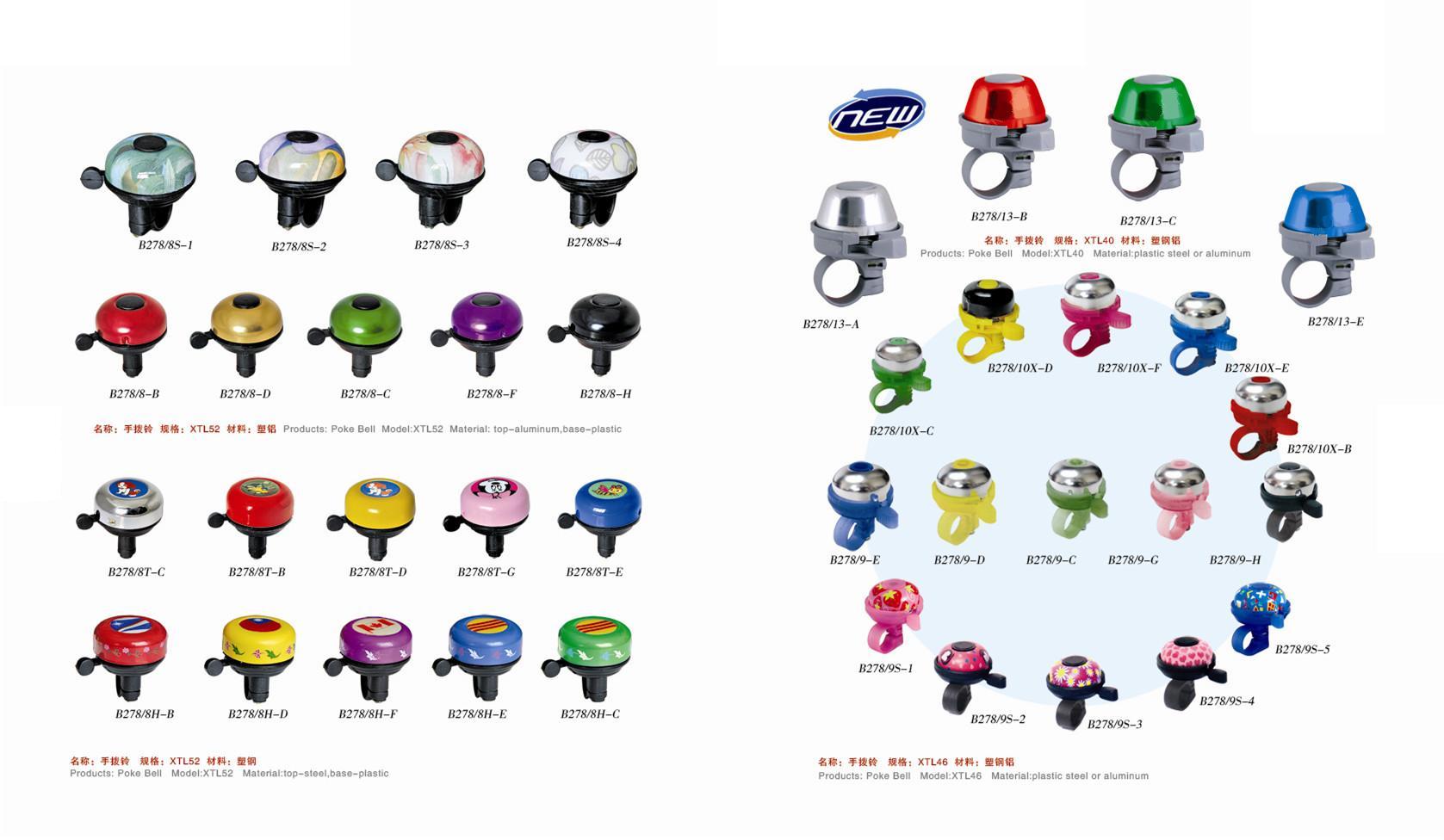
For brands looking to differentiate, bicycle bells offer excellent margins when customized. Utilizing OEM/ODM Services allows you to modify the dome shape, integrate unique striker designs (such as rotary or trigger mechanisms), and apply custom finishes.
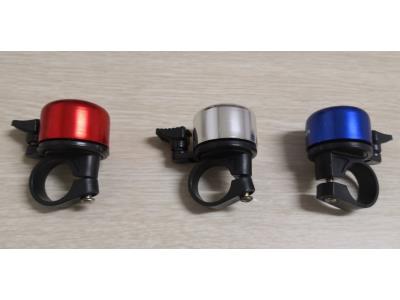
Surface treatments are critical for both aesthetics and durability. Aluminum bells are typically anodized, which allows for vibrant, fade-resistant colors. Brass and steel bells may be electroplated (copper, gold, or chrome finishes) or powder-coated. Branding is usually applied via laser etching on the dome, which provides a premium, permanent finish compared to pad printing or water decals that can scratch off during use.
Buying Mechanics: MOQs, Lead Times, and Pricing
The bicycle accessory supply chain is highly specialized, with the best manufacturers clustering in specific industrial zones known for metal stamping and CNC machining.
When negotiating with suppliers, be aware that low minimum order quantities (MOQs) usually restrict you to off-the-shelf designs and stock colors. Custom tooling for a unique dome shape or proprietary mounting bracket will require a higher upfront investment and higher MOQs to amortize the mold costs. Before committing to a large OEM run, conducting thorough Factory Audits is essential to verify the supplier's actual production capacity and their adherence to environmental regulations regarding metal plating.
Planning a high-volume OEM bell order? We can help negotiate favorable MOQs, audit the factory, and manage the production schedule.
Get a free consultationFrequently Asked Questions
The difference between a premium bicycle accessory and a disposable novelty lies entirely in the factory's material selection and quality control processes. By partnering with the right manufacturer and enforcing strict specifications, you can secure a reliable supply of high-margin products. If you need assistance navigating supplier vetting or managing your quality control on the ground, our sourcing team is ready to help.
Get Sourcing Help for Bicycle Bells
Tell us your requirements and our experts will connect you with verified manufacturers.