Belt Making Machines
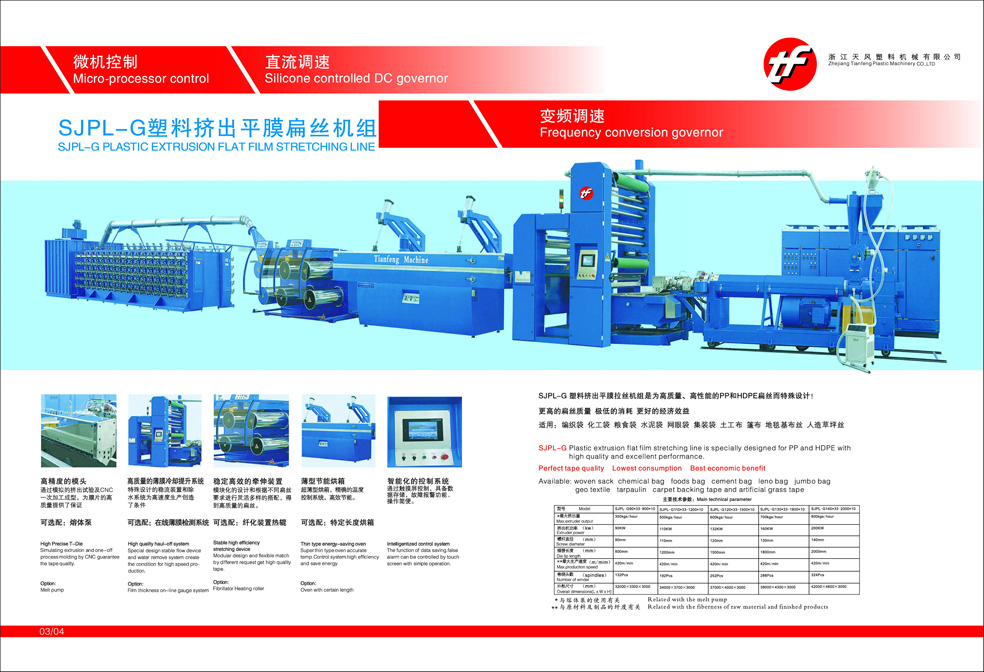
Source high-performance PP and PET packaging belt making machines from vetted suppliers and manufacturers in China. Designed for industrial importers, equipment distributors, and packaging manufacturers, these extrusion lines offer high output capacities, energy efficiency, and reliable tension control for bulk strap production.
Procuring PP (polypropylene) and PET (polyethylene terephthalate) strapping band extrusion lines requires balancing output capacity with energy consumption and raw material flexibility. For industrial packaging, the profitability of a belt making machine hinges on its ability to process 100 percent recycled PET bottle flakes or PP granules without compromising the strap's tensile strength, straightness, or dimensional stability. Sourcing these complex manufacturing lines means evaluating the supplier's engineering capabilities, component sourcing (such as PLCs, melt pumps, and servo motors), and post-sales support infrastructure.
Core Technical Specifications to Define
When negotiating with extrusion machinery manufacturers, generic requests yield entry-level machines built with inferior steel and basic controls. To secure industrial-grade equipment capable of running 24/7, your specification sheet must explicitly define the critical extrusion and stretching parameters.
| Component / Parameter | Standard Configuration | High-Performance Configuration |
|---|---|---|
| Extruder Screw L/D Ratio | 28:1 to 30:1 | 32:1 to 33:1 (Better melt homogenization) |
| Screw Material | Nitrided steel (38CrMoAlA) | Bimetallic alloy (Essential for recycled PET flakes) |
| Melt Pump | Optional or omitted | Standard (Ensures stable pressure and uniform strap width) |
| Stretching Ratio | Fixed ratio | Multi-stage adjustable (Optimizes tensile strength) |
| Winding System | Torque motor winder | Servo-driven dual-station accumulator winder |
Need help verifying a manufacturer's technical capabilities? Our engineering team can review your specifications and match you with vetted extrusion line builders.
Discuss your machinery specsThe Role of the Melt Pump and Screen Changer
For PET belt making machines, utilizing recycled bottle flakes introduces impurities and inconsistent melt viscosity. A continuous, dual-piston screen changer is mandatory to filter out non-melting particles without halting production. Following the screen changer, a precision melt pump stabilizes the polymer flow. Without a melt pump, pressure fluctuations in the die head lead to inconsistent strap thickness, causing the final product to jam in automated strapping machines.
Factory Validation and Quality Control
The Chinese market features hundreds of plastic machinery assemblers, but only a fraction possess the in-house CNC machining capabilities required to manufacture high-precision die heads and stretching rollers. Relying on a supplier's marketing materials is a high-risk strategy for capital equipment. Conducting rigorous Factory Audits is critical to verify that the supplier actually machines their core components rather than assembling cheap, off-the-shelf parts.
Factory Acceptance Test (FAT) Requirements
- Continuous Run Test: Minimum 8-hour continuous operation using your specific raw material grade.
- Tensile Strength Verification: Test the breaking strength and elongation of the output strap against industry standards.
- Camber (Straightness) Check: Ensure the strap curve is less than 5mm per 2 meters of length.
- Winder Transition: Verify smooth, automatic changeover between winding coils without line speed reduction.
- Energy Consumption: Measure actual kW/h usage against the manufacturer's stated specifications.
If you cannot be on-site for the FAT, deploying specialized engineers for Quality Control & Inspection ensures the machine performs exactly to spec before the final balance is paid and the equipment is crated.
Pricing, Lead Times, and Sourcing Mechanics
Capital equipment sourcing operates on distinct timelines and payment structures compared to standard consumer goods. Belt making machines are built to order, with lead times heavily dependent on the complexity of the line (e.g., single strap vs. four-strap output).
Looking to source high-capacity extrusion lines without the typical communication and quality control headaches? Let us manage the technical vetting and procurement process.
Talk to our teamShipping and Installation Logistics
Packaging belt making machines are bulky and often require multiple 40HQ containers or specialized flat rack containers for the stretching ovens and cooling tanks. Coordinating the breakdown, anti-rust packaging, and Shipping & Freight requires precise planning to avoid damage to sensitive electrical cabinets and precision rollers during transit. Ensure your contract clearly defines who is responsible for providing installation technicians and commissioning the line at your facility.
Frequently Asked Questions
Successful procurement of belt making machines relies on tight technical specifications and relentless verification on the factory floor. By ensuring the core components—from the extruder screw to the winding servos—are engineered for your specific raw materials, you secure a reliable production line that delivers consistent ROI.
Get Sourcing Help for Belt Making Machines
Tell us your requirements and our experts will connect you with verified manufacturers.