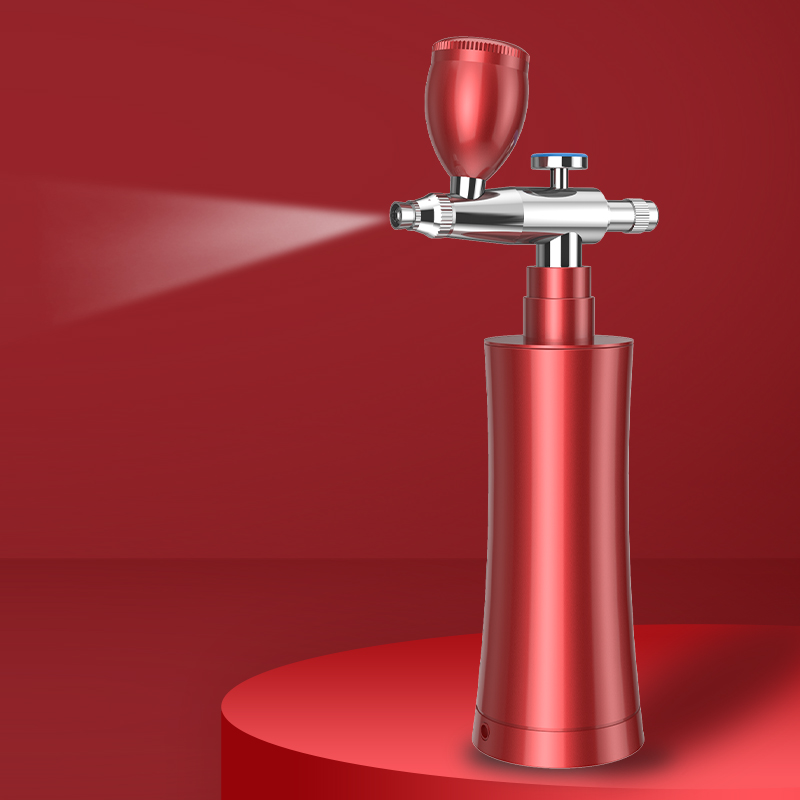
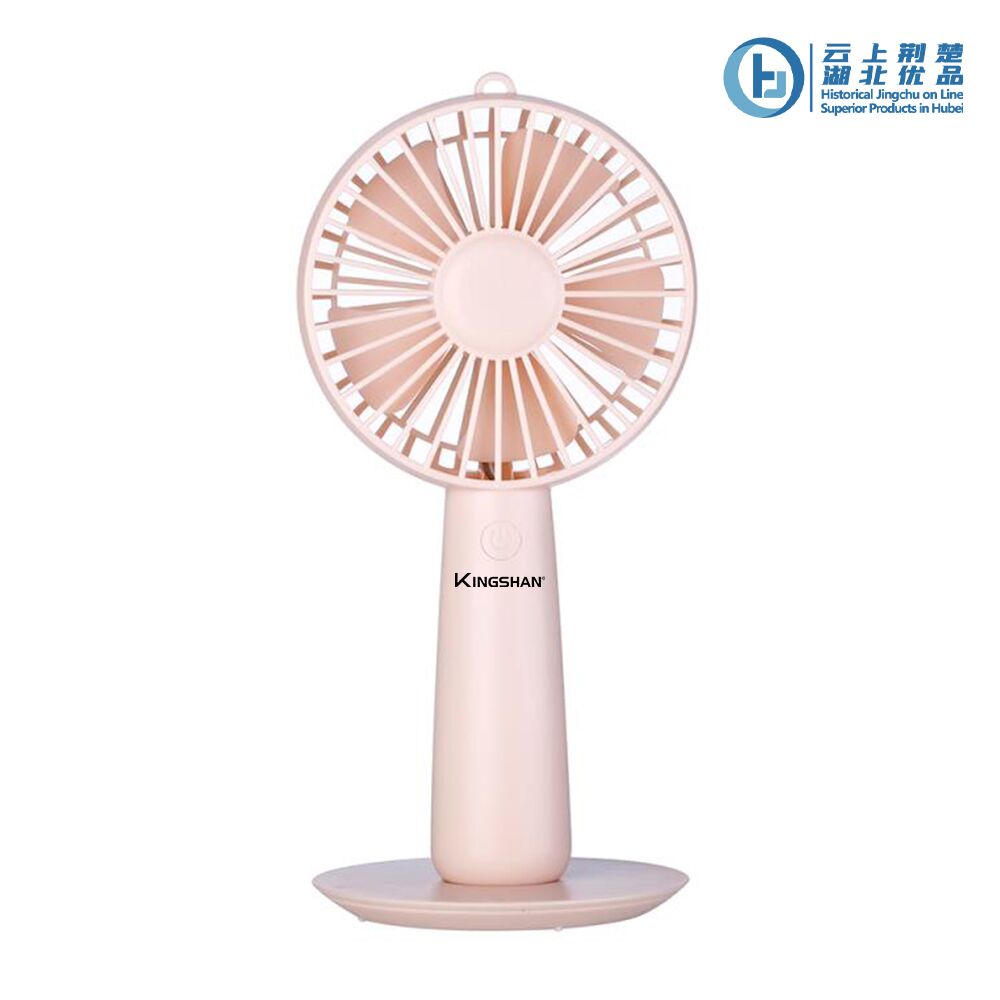
Beauty Tools
Source premium Beauty Tools directly from vetted suppliers and manufacturers. Designed for importers, wholesalers, and beauty brands seeking reliable OEM and private-label production, our network delivers consistent quality at scale. Secure competitive wholesale pricing on tools engineered for professional and consumer markets.
Sourcing beauty tools at volume is an exercise in managing micro-tolerances and material integrity. Whether you are procuring stainless steel implements, synthetic bristle assemblies, or molded polyurethane, inconsistent factory standards can lead to rapid degradation, skin-contact issues, or brand-damaging defects. Success requires tight specification control and rigorous oversight before the first production run begins.
Material Specifications and Manufacturing Tolerances
The core of any beauty tool is its material composition. Factories often substitute cheaper grades of metal, plastic, or synthetic fibers to pad margins, which directly impacts the tool's performance and lifespan.
For metal implements like tweezers, extractors, and curlers, the grade of stainless steel dictates hardness and corrosion resistance.
| Material Grade | Primary Application | Characteristics |
|---|---|---|
| 420J2 Stainless Steel | Tweezers, cutting tools | High carbon, excellent hardness, holds an edge well |
| 304 Stainless Steel | Extractors, structural frames | Superior corrosion resistance, lower hardness, non-magnetic |
| 430 Stainless Steel | Budget consumer tools | Lower cost, prone to oxidation over time if plating fails |
For brush assemblies, the ferrule and glue are as critical as the bristle material. High-end tools utilize copper ferrules for superior crimping strength, whereas budget lines use aluminum. The adhesive used in the ferrule must withstand repeated washing with harsh surfactants without breaking down. For cosmetic sponges, hydrophilic polyurethane is the industry standard for "latex-free" claims, but pore size and density must be strictly specified to ensure the correct expansion rate when wet.
Struggling with inconsistent material quality from your current suppliers? Let us audit your supply chain and standardize your specifications.
Talk to our teamVulnerabilities on the Factory Floor
Quality in beauty tools is won or lost during assembly and finishing. A poorly calibrated crimping machine will cause brush shedding, while inadequate polishing on metal tools can leave microscopic burrs that scratch the skin.
Catching these issues requires aggressive Quality Control & Inspection during the in-line and pre-shipment phases.
Critical QC Checks for Beauty Tools
- Pull-force testing on brush bristles to verify adhesive curing and ferrule crimp integrity.
- Salt spray testing (typically 24 to 48 hours) on plated metals to ensure rust resistance.
- Expansion and dye-bleeding tests on cosmetic sponges under warm water and surfactant exposure.
- Microscopic edge inspection on metal implements to detect burrs or misalignment.
- Drop testing for stone and resin tools (rollers, gua sha) to verify structural integrity and joint gluing.
Beyond mechanical failures, chemical safety is paramount. Dyes, adhesives, and handle coatings must pass heavy metal and toxicity screenings. Integrating Compliance & Testing into your sourcing workflow ensures that tools meet market-specific regulations like REACH in Europe or Prop 65 in California.
Structuring OEM Orders: MOQs and Cost Drivers
For brands executing private-label strategies, OEM/ODM Services allow for complete customization of handle shapes, ferrule colors, and material blends. However, custom tooling requires specific volume commitments.
Pricing is highly sensitive to material choices. Upgrading from aluminum to copper ferrules, shifting from standard nylon to advanced PBT (Polybutylene terephthalate) synthetic fibers, or requiring eco-friendly handle materials (like FSC-certified wood or PLA plastics) will predictably increase unit costs. Furthermore, retail-ready packaging often requires synchronization with specialized print factories. Utilizing comprehensive Branding & Design support ensures the product and its packaging are developed in tandem, avoiding costly delays at the final assembly stage.
Ready to scale your private-label beauty tool line? We manage the entire OEM process from tooling to final packaging.
Get a free consultationFrequently Asked Questions
Sourcing high-quality beauty tools requires looking past glossy supplier catalogs and focusing on the unglamorous details of metallurgy, adhesives, and injection molding. By strictly defining your material specifications and enforcing rigorous quality control protocols, you can build a resilient supply chain that protects your brand's reputation.
Get Sourcing Help for Beauty Tools
Tell us your requirements and our experts will connect you with verified manufacturers.