Bearings
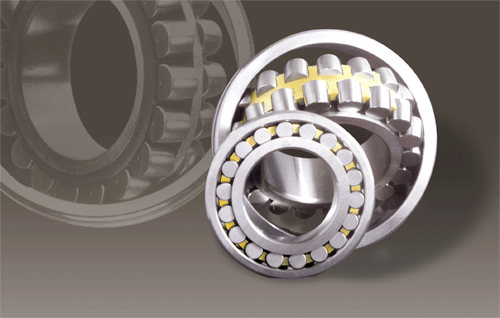
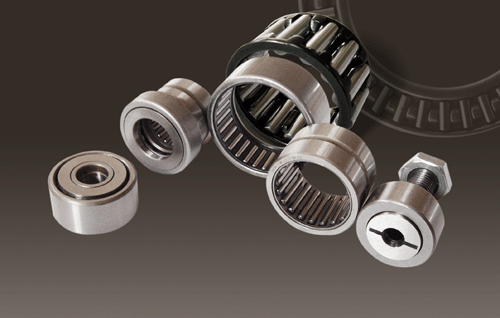
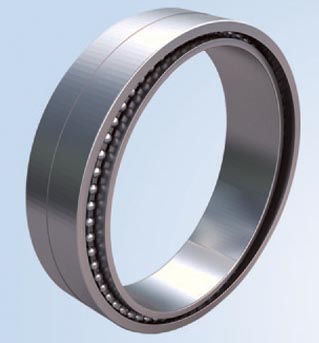
Source industrial-grade bearings in bulk from vetted manufacturers and suppliers. Designed for importers, distributors, and brands seeking reliable OEM production, our network delivers precision-engineered components. Secure competitive wholesale pricing and consistent quality for your demanding applications.
Sourcing bearings at scale requires balancing unit cost against the risk of catastrophic failure. For industrial buyers, distributors, and heavy machinery manufacturers, the difference between a reliable rotating component and a costly warranty claim usually comes down to raw material purity, heat treatment consistency, and grinding precision on the factory floor.
When buying in volume, identifying a capable manufacturing partner means looking past the surface finish and evaluating their core engineering controls.
Critical Specifications and Material Selection
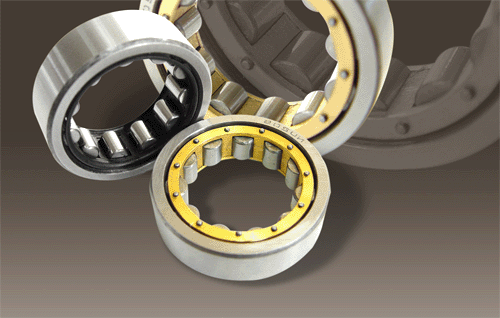
The foundation of any bearing's performance is the steel grade and its subsequent heat treatment. Most standard industrial bearings are manufactured from high-carbon chromium bearing steel, commonly designated as GCr15 in China (equivalent to SAE 52100 or 100Cr6).
However, "GCr15" on a spec sheet does not guarantee quality. The purity of the steel—specifically the oxygen and non-metallic inclusion content—dictates the fatigue life of the raceways. Lower-tier factories often source steel from secondary mills with higher inclusion rates, leading to early micro-spalling under load.
| Material Type | Typical Application | Cost Profile | Key Challenge |
|---|---|---|---|
| Chrome Steel (GCr15/52100) | General motors, automotive, industrial machinery | Baseline | Susceptible to corrosion; requires proper oil/grease packing |
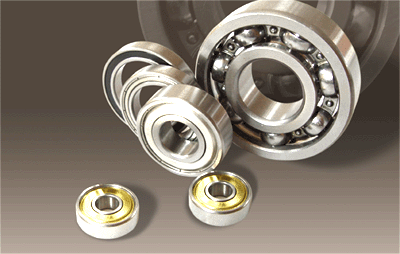
| Stainless Steel (440C/304) | Food processing, marine, washdown environments | Moderate to High | Lower load capacity than chrome steel; 304 cannot be hardened |
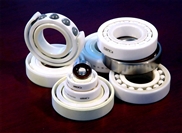
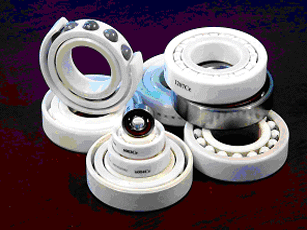
| Ceramic Hybrid (Si3N4 balls) | High-speed spindles, electric motors (insulation) | Premium | Requires precise raceway grinding to prevent ball damage |
Beyond material, precision classes (ABEC or ISO ratings) must align with your application. While general machinery operates perfectly on ABEC 1 or 3 (ISO P0 or P6), electric motors and precision tools demand ABEC 5 or higher (ISO P5, P4).
Need to verify a factory's grinding and heat-treatment capabilities before placing a volume order?
Get a free consultationManufacturing Tolerances and Quality Control
The manufacturing process for bearings involves turning, heat treatment, grinding, and assembly. Grinding is the most critical and time-consuming phase. The precision of the inner and outer raceways determines the bearing's noise, vibration, and friction levels.
When evaluating a supplier, their testing equipment is a direct indicator of their target market. Reliable factories will have in-house roundness testers, profilometers for surface roughness, and vibration testing rigs (measuring Z1V1 through Z4V4 standards).
Key Factory Capabilities to Verify
- In-house metallographic analysis for verifying steel microstructure post-heat treatment.
- Automated grinding lines with in-process gauging to maintain ABEC tolerances.
- Cleanroom or climate-controlled assembly areas to prevent dust contamination before sealing.
- 100% vibration and noise testing (BVT) at the end of the line.
If you are committing to a new supplier, conducting comprehensive Factory Audits is essential to confirm these systems are actually in use, rather than just displayed for facility tours. Furthermore, implementing strict Quality Control & Inspection protocols before shipment ensures that clearance (e.g., C3, C4) and lubrication fill rates meet your exact specifications.
Pricing, MOQs, and Lead Times
Bearing pricing is highly sensitive to raw material costs, precision requirements, and production volume. Standard sizes (like the 6200 or 608 series) benefit from massive economies of scale, while custom dimensions or specialized seals require dedicated tooling and setup time.
For brands requiring custom laser etching, proprietary seal colors, or specific grease fills (like Mobil Polyrex EM), utilizing specialized OEM/ODM Services ensures your exact bill of materials is respected.
Ready to optimize your bearing supply chain and negotiate better wholesale terms?
Talk to our teamFrequently Asked Questions
Securing a reliable supply of industrial bearings means moving beyond transactional purchases and understanding the engineering realities of the factory floor. By strictly defining your material, precision, and clearance requirements—and backing them up with rigorous verification—you can stabilize your supply chain and protect your product's reputation.
Get Sourcing Help for Bearings
Tell us your requirements and our experts will connect you with verified manufacturers.