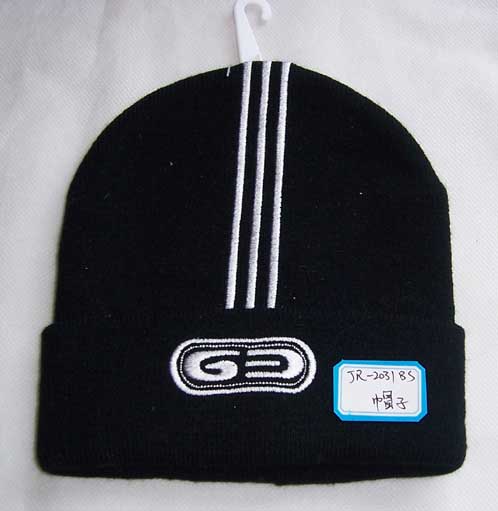
Beanies
Source premium beanies from vetted suppliers and manufacturers across Asia. Designed for apparel importers, regional wholesale distributors, and fashion brands seeking reliable OEM and private-label production. Secure bulk pricing, consistent quality, and scalable manufacturing capacity for your seasonal knitwear programs.
Sourcing knitwear in volume requires balancing raw material costs with durability, stretch recovery, and hand-feel. For beanies, the difference between a high-margin premium accessory and a low-quality promotional item lies entirely in yarn specification, knitting gauge, and finishing techniques. Successfully managing a production run means establishing strict technical parameters before a single machine is programmed.
Technical Specifications and Yarn Selection
The foundation of any beanie program is the yarn. Buyers must specify the exact fiber composition, yarn count, and knitting gauge. Factories typically operate circular or flat knitting machines calibrated to specific gauges (measured in needles per inch).
A lower gauge (e.g., 3gg or 5gg) produces a chunky, thick knit, while a higher gauge (e.g., 10gg or 12gg) results in a fine, dense fabric suitable for intricate jacquard patterns or lightweight activewear.
| Yarn Composition | Performance Characteristics | Typical Application |
|---|---|---|
| 100% Acrylic | Cost-effective, colorfast, prone to pilling if low quality | Promotional wear, fast fashion |
| Acrylic/Wool Blend (e.g., 70/30) | Balances warmth and cost, improved hand-feel | Mid-market retail, streetwear |
| 100% Merino Wool | Naturally antimicrobial, excellent thermal regulation | Premium outdoor, heritage brands |
| Cotton/Polyester Blend | Breathable, less insulating, holds shape well | Trans-seasonal wear, activewear |
When defining your tech pack, you must also specify the weight of the finished product. A standard acrylic winter beanie typically weighs between 60 and 80 grams. Weights falling under 50 grams often indicate a sparse knit structure that will lose its shape and elasticity over time.
Developing a custom knitwear program requires precise technical specifications. Our team can help you finalize your tech packs and match you with the right factory.
Get a free consultationManufacturing Processes and Customization
Producing custom headwear at scale involves choosing the right construction method. Most beanies are constructed using circular knitting (creating a seamless tube) or flat knitting (creating panels that are seamed together). Crown shaping is a critical detail; fully fashioned crowns (where stitches are decreased to form a natural curve) fit much better than simple gathered and sewn tubes, though they require more advanced machinery and higher production time.
If you are executing a private-label strategy, engaging with OEM/ODM Services allows for extensive customization. Branding applications must be factored into the initial design phase:
- Jacquard Knitting: Patterns are knitted directly into the fabric. Best for large, bold logos or all-over patterns. Requires careful control of the internal yarn floats to prevent snagging.
- Embroidery: Applied post-knitting. High stitch counts on loose knits can cause puckering; a stabilizer backing is mandatory.
- Woven Labels & Patches: Typically sewn onto the cuff. The factory must use specialized stitching to ensure the patch stretches with the ribbing without snapping the thread.
Quality Control in Knitwear Production
Knitwear is highly susceptible to dimensional variations. A beanie straight off the knitting machine will shrink and settle after washing and finishing. Implementing robust Quality Control & Inspection protocols is non-negotiable to ensure the final batch matches your approved samples.
Critical Factory Inspection Points for Beanies
- Stretch and Recovery: The ribbed cuff must expand to fit an adult head (typically 58-60cm circumference) and snap back to its original dimension without bagging.
- Seam Integrity: Check the crown closure and back seam (if applicable) for dropped stitches or weak thread tension.
- Colorfastness: Ensure dyed yarns meet ISO standards for rubbing (crocking) and washing to prevent color bleeding.
- Pilling Resistance: Request Martindale testing for wool and acrylic blends to verify the fabric will not degrade rapidly with friction.
- Weight Tolerance: Weigh a random sample of finished units; variations exceeding 5 percent indicate inconsistent yarn tension or unauthorized material substitution.
Typical MOQs, Pricing, and Lead Times
Pricing in the knitwear market fluctuates based on raw material costs (especially for wool and cotton), order volume, and design complexity. Minimum Order Quantities (MOQs) depend heavily on yarn availability. If you select a stock yarn color, factories are often flexible. If you require custom Pantone-dyed yarn, the MOQ is dictated by the dyeing vat capacity.
Need accurate pricing and lead times for your upcoming seasonal order? We handle supplier negotiations and production scheduling to keep your supply chain on track.
Talk to our teamFrequently Asked Questions
Navigating knitwear production requires strict attention to material science and machine capabilities. By defining exact yarn specifications, mandating fully fashioned construction, and enforcing rigorous pre-shipment inspections, you can secure high-quality beanies that elevate your brand and minimize defect rates.
Get Sourcing Help for Beanies
Tell us your requirements and our experts will connect you with verified manufacturers.