Battery Cases
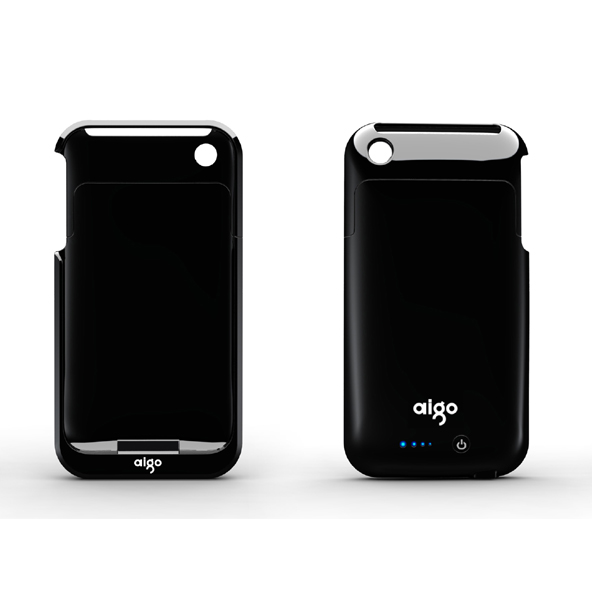
Source high-quality battery cases from vetted suppliers and manufacturers across Asia. Designed for importers, distributors, and consumer electronics brands seeking reliable OEM and private-label production, our network delivers bulk orders that meet strict safety, capacity, and device-compatibility standards.
Sourcing battery cases at volume requires balancing aesthetic design, precise device fitment, and strict lithium-ion safety standards. Because these products combine protective housing with dense energy storage, a poorly manufactured unit risks not only device damage but severe thermal events. For procurement managers and brands, success depends on penetrating the supply chain to verify component origins, true battery capacities, and rigorous assembly protocols.
Component Specifications That Drive Performance
The visual design of a battery case is only the outer shell; the true value lies in the internal architecture. When negotiating with manufacturers, you must specify exact requirements for the three core components: the battery cell, the PCBA (Printed Circuit Board Assembly), and the housing material.
Battery Cells and True Capacity
Capacity inflation is a persistent issue in the secondary electronics market. Suppliers may quote a 5,000 mAh capacity, but utilize lower-grade cells that deliver significantly less real-world charge. Professional buyers must specify the exact cell grade (typically Grade A Lithium-Polymer) and require discharge testing reports. Li-Po cells are preferred over cylindrical Li-ion cells for battery cases due to their slim profile and flexible form factor.
PCBA and Power Management
The PCBA dictates how safely and efficiently the case charges the phone and recharges itself. A substandard PCBA can lead to overcharging, excessive heat generation, or failure to recognize the device.
Ensure your specifications mandate IC (Integrated Circuit) protections for:
- Over-voltage and under-voltage protection
- Short-circuit prevention
- Temperature control (thermal shut-off)
- Pass-through charging capabilities (allowing the phone to charge before the case)
Struggling to verify true battery capacities and PCBA quality from overseas suppliers? Let our sourcing experts evaluate your technical requirements.
Talk to our teamManufacturing Tolerances and Quality Control
Battery cases require exceptional injection molding precision. The housing, typically a blend of TPU (Thermoplastic Polyurethane) for shock absorption and PC (Polycarbonate) for structural rigidity, must fit the target device perfectly. A variance of just 0.5mm can result in misaligned camera cutouts, unresponsive button covers, or a loose fit that strains the charging connector.
During production, ultrasonic welding or secure snap-fit mechanisms are used to seal the battery inside the casing. Weak seals can allow moisture ingress or cause the case to split upon impact. Conducting rigorous Quality Control & Inspection at the factory level—including drop tests, insertion/extraction tests, and thermal imaging during charge cycles—is non-negotiable.
Pre-Shipment Inspection Focus Areas
- Connector durability: Minimum 5,000 insertion/extraction cycles
- Dimensional accuracy: Caliper checks against original device schematics
- Thermal performance: Surface temperature must remain under 45 degrees Celsius during peak output
- Capacity verification: Sample batch discharge testing to confirm stated mAh
Compliance and Shipping Regulations
Transporting lithium-based products internationally is heavily regulated. Without the correct documentation, your shipment will be rejected by freight forwarders or seized at customs.
Before committing to a supplier, you must verify their ability to provide valid, up-to-date certifications. It is highly recommended to perform thorough Factory Audits to ensure the manufacturer's testing equipment is calibrated and their compliance claims are legitimate.
Key certifications include:
- UN38.3: Mandatory for all lithium batteries shipped by air or sea.
- CE & RoHS: Required for the European market.
- FCC: Required for the US market.
- UL 2056: The standard specifically for power banks and portable battery packs (highly recommended for US retail).
If you are developing custom designs through OEM/ODM Services, remember that any significant change to the battery cell or PCBA requires re-certification, which adds to your lead time and tooling costs.
Typical Pricing, MOQs, and Lead Times
Pricing for battery cases is highly elastic, driven primarily by the cost of the lithium polymer cell and the complexity of the PCBA (e.g., adding wireless charging passthrough or MagSafe compatibility).
When forecasting costs, factor in the premium for Apple MFi (Made for iPhone) certification if you are targeting the high-end iOS market. Non-MFi cases are significantly cheaper but risk triggering "Accessory Not Supported" warnings after iOS updates.
Need to negotiate better pricing or consolidate your supply chain? Discover how our on-the-ground presence can optimize your procurement strategy.
Get a free consultationFrequently Asked Questions
Successfully sourcing battery cases requires more than just finding a factory that can mold plastic; it demands deep technical oversight of battery cell procurement, PCBA integration, and strict regulatory adherence. By focusing your negotiations on component specifications and demanding rigorous testing protocols, you can secure reliable, high-performance products that protect both the end-user's device and your brand's reputation.
Get Sourcing Help for Battery Cases
Tell us your requirements and our experts will connect you with verified manufacturers.