Bathtubs & Whirlpools
Source premium bathtubs and whirlpools from vetted manufacturers and suppliers across Asia. Designed for bulk importers, hardware distributors, and bathroom brands seeking reliable OEM production, our network delivers consistent quality, certified compliance, and competitive wholesale pricing at scale.
Sourcing bathtubs and whirlpool systems in volume requires balancing material durability with complex plumbing integration. The primary challenge isn't just finding a factory capable of vacuum-forming acrylic or casting resin; it is ensuring consistent wall thickness, reliable pump integration, and strict adherence to regional plumbing codes. When importing bulky, high-liability items, a single structural failure or hidden leak can wipe out an entire container's margin.
Material Specifications and Manufacturing Realities
The core material defines both the production process and the product's market positioning. While cast iron and steel remain niche, the bulk of global production centers on acrylic and solid surface (cast stone) resins.
| Material Type | Manufacturing Process | Key Quality Indicators | Typical Market |
|---|---|---|---|
| Sanitary Grade Acrylic | Vacuum forming + fiberglass & resin reinforcement | Sheet thickness (3mm to 5mm minimum), even resin distribution | Mass market to premium residential |
| Solid Surface (Cast Stone) | Resin and mineral filler casting, vacuum degassing | Zero porosity, consistent color matching, stain resistance | Luxury residential, boutique hospitality |
| Enameled Steel | Stamping and high-temperature enamel baking | Enamel thickness, impact resistance, rust prevention | Commercial, high-traffic institutional |
In acrylic production, the critical failure point is the reinforcement phase. Factories must apply a consistent layer of fiberglass and resin to the back of the vacuum-formed shell. Suppliers cutting costs will thin out the acrylic sheet (under 2.5mm) or apply uneven fiberglass, leading to structural flexing, micro-cracking, and eventual water leaks.
Struggling to verify material grades and factory capabilities? Let us handle supplier vetting and technical audits to ensure your production meets exact specifications.
Talk to our teamWhirlpool and Massage Systems: Managing Complexity
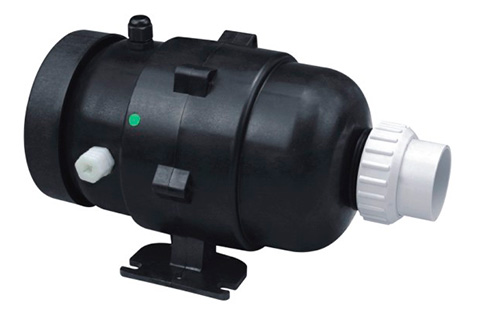
Whirlpools introduce mechanical and electrical complexity to a static product. When developing custom or private-label lines, the integration of water pumps, air blowers, and jet manifolds requires rigorous factory-level testing.
Key areas to evaluate in whirlpool manufacturing:
- Pump and Motor Quality: Motors must be CE, UL, or ETL certified depending on your destination market.
- Piping Architecture: Rigid PVC vs. flexible hosing. Improperly sloped piping leads to water retention in the lines, causing bacterial growth and foul odors. V-shaped drainage designs are essential.
- Jet Sealing: Every jet penetration is a potential leak point. High-quality production utilizes dual-silicone sealing and automated torque drivers to prevent overtightening and stress fractures.
Quality Control and Compliance Standards
Defects in bathtubs are often invisible to the naked eye until the unit is installed and filled. Implementing strict pre-shipment inspection and quality control is non-negotiable.
Critical Pre-Shipment Inspection Points
- Water Retention Test: Fill to overflow, run pumps for 30 minutes, check for micro-leaks.
- Drainage Test: Ensure complete water evacuation with no pooling on the tub floor.
- Thickness Verification: Ultrasonic thickness measurement at the curves and base.
- Electrical Safety: Hi-pot testing and grounding continuity for all motorized units.
- Surface Finish: Visual inspection under high-lumen lighting for pinholes, scratches, or uneven polishing.
Furthermore, destination markets require specific certifications. North American buyers must ensure UPC/cUPC compliance for plumbing fixtures and UL/ETL for electrical components. European buyers require CE marking and EN 14516 compliance. Navigating these requirements often requires dedicated compliance and testing oversight.
Pricing, MOQs, and Logistics
Because bathtubs ship essentially as "packaged air," freight optimization is a massive driver of unit cost. Factories design skirts and profiles specifically to nest within one another, maximizing container yield.
When negotiating pricing, understand that the cost is highly sensitive to the acrylic sheet brand (e.g., Lucite vs. domestic equivalents) and the pump manufacturer (e.g., LX or DXD). Managing the international shipping and freight efficiently is just as critical as negotiating the ex-works price, as poor container loading can double your landed cost per unit.
Optimize your container yields and secure factory-direct pricing. We manage the entire process from order placement to final delivery.
Get a free consultationFrequently Asked Questions
Successfully importing bathtubs and whirlpools requires looking past the surface finish to the structural integrity and mechanical reliability beneath. By establishing clear material specifications, enforcing rigorous water-testing protocols, and optimizing container loading, buyers can maintain healthy margins while eliminating costly post-installation failures.
Get Sourcing Help for Bathtubs & Whirlpools
Tell us your requirements and our experts will connect you with verified manufacturers.