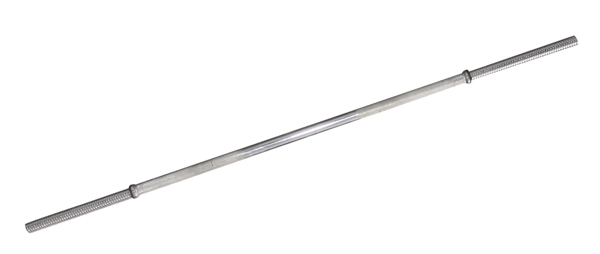
Barbells
Source high-quality barbells from vetted suppliers and manufacturers across Asia. Designed for fitness equipment importers, wholesalers, and strength brands, our network supports bulk wholesale orders and custom OEM/ODM production. Ensure precise knurling, accurate weight tolerances, and reliable tensile strength for your product lines.
Sourcing commercial-grade barbells at scale requires a strict evaluation of steel metallurgy, machining tolerances, and surface treatments. Whether you are supplying commercial gym chains or building a specialized strength brand, the difference between a premium barbell and a liability lies in the manufacturing details. A poorly manufactured bar will bend under heavy loads, suffer from seized sleeves, or rust prematurely, leading to high return rates and damaged brand reputation.
Core Specifications: Steel, Tensile Strength, and Whip
The foundation of any barbell is its shaft. Buyers must specify the exact steel grade and required tensile strength to ensure the factory does not substitute inferior materials.
Tensile strength, measured in Pounds per Square Inch (PSI), dictates how much weight the bar can handle before breaking or permanently deforming. Yield strength determines how much weight it takes to bend the bar before it fails to return to straight (its "whip").
If a supplier claims a 215k PSI rating but offers a suspiciously low price, they are likely using standard spring steel and skipping proper heat treatment.
Struggling to verify supplier material claims? We can audit factories and validate steel quality before you place an order.
Talk to our teamSurface Treatments and Finish Durability
The finish applied to the shaft and sleeves impacts both aesthetics and corrosion resistance. Factories offer several options, and your choice dictates the price point and maintenance requirements of the final product.
| Finish Type | Corrosion Resistance | Grip Feel | Cost Impact |
|---|---|---|---|
| Bare Steel | Poor | Excellent (Natural) | Low |
| Black Zinc | Moderate | Good | Low-Medium |
| Hard Chrome | High | Moderate | Medium-High |
| Cerakote | Very High | Good | High |
Sleeve Assembly: Bushings vs. Bearings
The rotation mechanism inside the sleeve is critical. General-purpose and powerlifting bars use brass or bronze bushings, providing a smooth but controlled spin. Olympic weightlifting bars require needle bearings (typically 4 to 10 per sleeve) for rapid turnover. Specifying the exact bearing count and brand (or quality tier) is essential, as cheap bearings will shatter under repeated dropping.
Factory Floor Realities and Quality Control
Barbell manufacturing involves cutting, turning, knurling, heat treating, and assembly. Defects often occur during the knurling and heat treatment phases. If the knurl tracking is off, you get "double tracking" (a flattened, messy diamond pattern). If heat treatment is uneven, the bar will warp.
Implementing strict Quality Control & Inspection is non-negotiable. Pre-shipment inspections should verify the following parameters on a statistically significant sample of your order:
Critical Barbell QC Checks
- Straightness Tolerance: Run-out must be under 0.25mm over the length of the shaft.
- Weight Tolerance: Final assembled weight must be within +/- 1% of the stated weight (e.g., 20kg).
- Knurl Depth and Consistency: Visual and tactile check for sharp, consistent diamonds without double-tracking.
- Sleeve Spin: Free rotation without grinding, clicking, or excessive lateral play.
- Finish Adhesion: Scratch and tape tests to ensure chrome or Cerakote does not flake.
Customization and Private Labeling
For brands, barbells offer excellent opportunities for differentiation. Through OEM/ODM Services, you can customize almost every aspect of the bar.
Common customizations include laser-etched logos on the inner collars, custom-designed aluminum or urethane end caps, specific knurl ring placements (IPF vs. IWF marks), and custom Cerakote colorways for the shaft. When developing a custom bar, ensure the factory provides a golden sample for approval, as screen-printed or laser-etched logos can vary significantly in sharpness depending on the factory's equipment.
Wholesale Pricing, MOQs, and Production Lead Times
Understanding the cost drivers will help you negotiate better terms. Standard commercial barbells (170k PSI, black zinc, bushings) typically run between $45 and $65 USD per unit at wholesale. Premium bars (200k+ PSI, Cerakote or hard chrome, precision needle bearings) range from $85 to $130+ USD.
Minimum Order Quantities (MOQs) usually start at 100 to 200 units per SKU. However, factories are often willing to mix finishes or end-cap designs within that MOQ if the underlying steel shaft remains the same.
Production lead times generally span 30 to 45 days, though this can extend to 60 days if you are requesting custom Cerakote colors or specialized steel grades that the factory must source externally. Conducting thorough Factory Audits beforehand ensures your chosen supplier actually has the in-house CNC and heat-treatment capacity to meet these timelines, rather than outsourcing to unverified sub-tier workshops.
Ready to optimize your supply chain and negotiate better MOQs? Let our experts handle the sourcing process.
Get a free consultationFrequently Asked Questions
Sourcing reliable barbells is about standardizing your specifications and holding the factory accountable to strict tolerances. By defining your PSI, finish, and straightness requirements upfront, you eliminate the gray areas where quality fade typically occurs.
Get Sourcing Help for Barbells
Tell us your requirements and our experts will connect you with verified manufacturers.