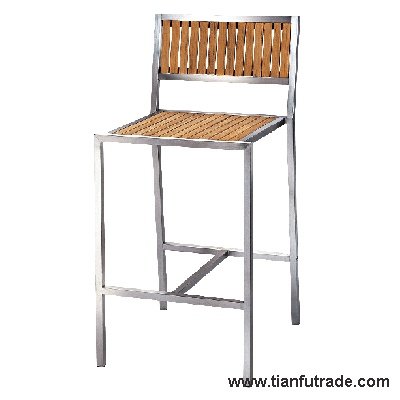
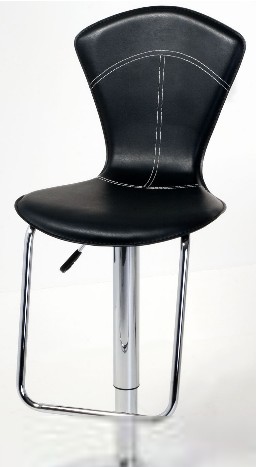
Bar Stools
Source commercial-grade bar stools directly from vetted manufacturers and factories in Asia. Designed for importers, wholesalers, distributors, and brands seeking reliable bulk production, OEM/ODM capabilities, and competitive pricing for hospitality and retail markets.
Sourcing commercial bar stools requires balancing aesthetic trends with rigorous structural demands. Whether outfitting high-traffic hospitality venues or stocking wholesale distribution centers, buyers must specify exact tolerances for load-bearing capacity, finish durability, and ergonomic stability to avoid catastrophic failure on the floor.
Critical Specifications for Commercial Bar Stools
When ordering in bulk, assuming the factory standard is sufficient often leads to high defect rates. Professional buyers must dictate the exact material specifications to ensure the product meets regional commercial standards (such as BIFMA in North America or EN 16139 in Europe).
| Dimension / Feature | Counter Stool | Bar Stool | Extra Tall / Spectator |
|---|---|---|---|
| Typical Seat Height | 24 to 26 inches | 28 to 32 inches | 33 to 36 inches |
| Ideal Counter Height | 35 to 37 inches | 41 to 43 inches | 44 to 47 inches |
| Footrest Height | 6 to 8 inches off floor | 10 to 12 inches off floor | 12 to 14 inches off floor |
Beyond dimensions, pay close attention to the internal materials:
- Foam Density: Standard residential stools often use 20 to 25 kg/m³ foam, which bottoms out quickly. Commercial orders should specify high-resilience (HR) foam at 35 to 50 kg/m³.
- Metal Frame Gauge: Steel tube frames should be a minimum of 1.2mm to 1.5mm thick. Anything under 1.2mm is prone to bending under dynamic loads.
- Fabric Abrasion: Upholstery must pass the Martindale rub test. Specify a minimum of 40,000 rubs for heavy commercial use.
Manufacturing Vulnerabilities and Quality Control
The manufacturing process for bar stools introduces specific failure points, particularly at the joints and finish layers. Because these chairs have a high center of gravity, any structural weakness is magnified.
Implementing rigorous quality control and inspection during production is critical. Catching poor welding or inadequate surface preparation before the stools are boxed saves immense capital.
Key Factory Floor Inspection Points
- Weld Integrity: Check for full-seam TIG/MIG welding rather than spot welding on load-bearing joints.
- Powder Coating Adhesion: Perform cross-hatch adhesion tests to ensure the coating won't chip upon impact.
- Leveling & Wobble: Stools must be tested on a calibrated flat surface; tolerance should be under 2mm of variance.
- Wood Moisture Content: Solid wood components must be kiln-dried to 8 to 12 percent moisture to prevent warping and cracking in transit.
- Swivel Mechanism: If applicable, ball-bearing swivel plates must rotate smoothly under a 250 lb static load without grinding.
Ensure your bar stool production meets strict commercial standards with on-the-ground quality management.
Talk to our teamCustomization and Private Label Production
For brands developing proprietary lines, bar stools offer excellent opportunities for customization. Modifying existing factory designs (changing upholstery, altering the powder coat color, or swapping footrest styles) is a standard approach that keeps tooling costs low.
However, if you are developing a completely unique silhouette—particularly one involving molded plywood, custom acrylic injection molding, or complex metal bending—you will need a manufacturing partner equipped for comprehensive OEM/ODM services. Custom molds for plastic or fiberglass seats require upfront tooling investments and extended sampling timelines, usually adding 20 to 30 days to the initial product development phase.
Pricing, MOQs, and Sourcing Hubs
The furniture manufacturing landscape in China is highly specialized by region. Anji County (Zhejiang) is the global hub for office and bar seating, particularly metal and gas-lift stools, offering highly competitive pricing due to massive supply chain clustering. Foshan (Guangdong), on the other hand, specializes in higher-end, complex upholstery and premium hospitality furniture.
Before committing to a supplier in either region, conducting thorough factory audits is essential to verify their production capacity and social compliance certifications.
Volume buyers can negotiate lower prices, but aggressive price reduction often results in factories secretly downgrading hidden materials—swapping HR foam for recycled scrap foam, or thinning the metal gauge. Always tie your purchase order to a locked, signed specification sheet.
Streamline your furniture sourcing, secure better pricing, and eliminate supplier guesswork.
Get a free consultationBuyer FAQ
Mastering the sourcing of bar stools comes down to controlling the hidden specifications. By locking in material densities, weld standards, and finish tolerances early in the negotiation, buyers can secure highly profitable, commercial-grade furniture that stands up to years of abuse. Partnering with experienced sourcing professionals ensures these standards are actually executed on the factory floor.
Get Sourcing Help for Bar Stools
Tell us your requirements and our experts will connect you with verified manufacturers.