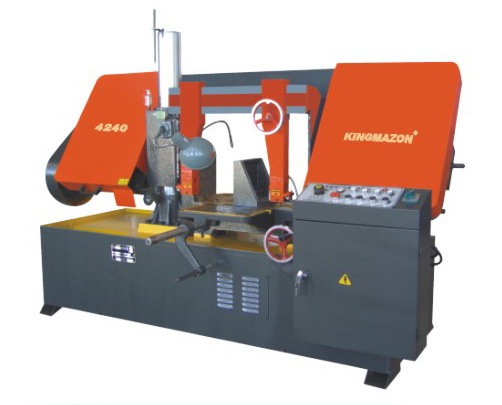
Band Saw Machines
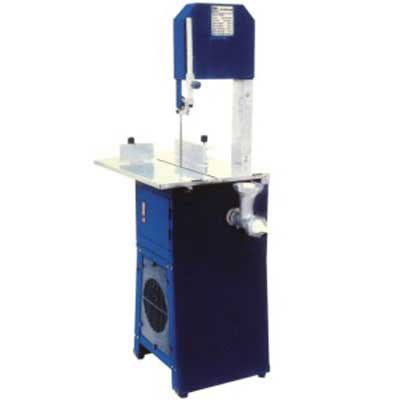
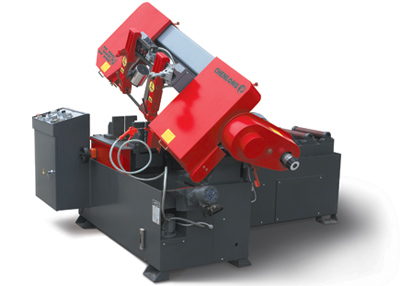
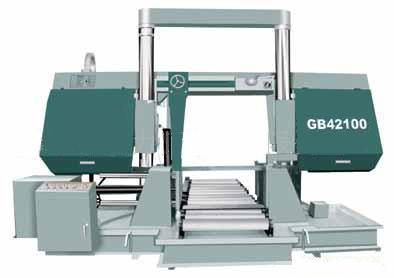
Source industrial band saw machines directly from vetted manufacturers and suppliers in Asia. Built for importers, machinery distributors, and brands requiring reliable OEM production, our wholesale catalog features heavy-duty metal cutting equipment ready for bulk procurement, private labeling, and seamless international freight.
When sourcing metal cutting band saw machines in volume, the primary challenge is separating genuine machinery manufacturers with in-house casting and CNC machining capabilities from lower-tier assembly workshops. A machine's ability to maintain cutting accuracy and blade life over thousands of cycles relies entirely on frame rigidity, hydraulic consistency, and electrical reliability. For distributors and brands, specifying the right internal components is critical to minimizing after-sales warranty claims.
Critical Specifications for Metal Cutting Saws
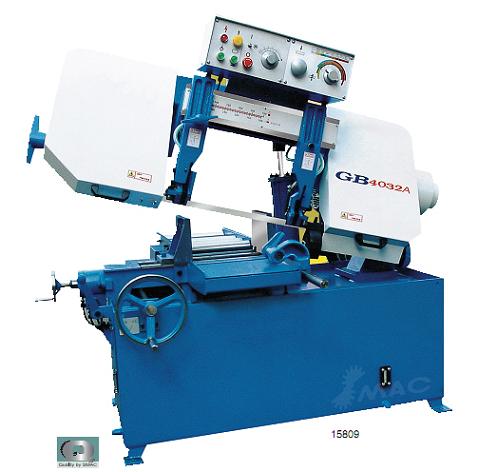
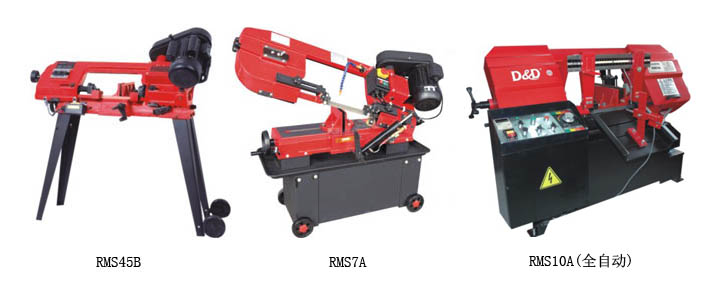
Industrial buyers must move beyond basic cutting capacity (e.g., 250mm or 300mm round) and define the mechanical architecture of the machine. The drive system, blade tensioning mechanism, and frame material dictate whether a machine is suitable for occasional fabrication or continuous three-shift production.
| Component / Feature | Light Industrial (Standard) | Heavy-Duty Production |
|---|---|---|
| Frame Construction | Welded steel plates, standard stress relief | Aged cast iron or heavy-gauge ribbed steel |
| Blade Tensioning | Manual spring-loaded handwheel | Hydraulic tensioning with pressure gauge |
| Speed Control | Step pulley (3 to 4 fixed speeds) | Variable Frequency Drive (VFD) for infinite control |
| Blade Guides | Standard ball bearings | Tungsten carbide guides with backup roller bearings |
| Coolant System | Basic flood coolant pump | Dual-nozzle system with integrated wash-down hose |
Struggling to verify the true manufacturing capabilities of machinery suppliers? Let our team handle supplier vetting and technical negotiations on your behalf.
Speak to an expertManufacturing Quality and Cost Drivers
The price variance between two band saws with identical cutting capacities often comes down to internal component sourcing and metallurgical processing. Factories that offer aggressive pricing typically cut costs in areas invisible from the outside.
Where Factories Cut Costs (What to Specify)
- Cast Iron Aging: Premium manufacturers naturally age cast iron bases for up to 6 months or use advanced thermal stress relief. Budget factories skip this, leading to frame warping over time.
- Electrical Components: Specify internationally recognized brands (Schneider, Siemens, Omron) for contactors, relays, and PLCs. Unbranded components have high failure rates under industrial voltage fluctuations.
- Hydraulic Valves: For semi-automatic and automatic saws, the hydraulic down-feed dictates cut quality. Specify Taiwanese or Japanese hydraulic valves to prevent jerky descent rates.
- Motor Quality: Ensure the main drive motor features 100 percent copper winding. Aluminum-wound motors overheat quickly during continuous heavy-wall pipe cutting.
Verifying these practices requires more than an email exchange. Conducting thorough factory audits before placing a volume order is essential to ensure the supplier actually machines their own bases and uses the components they claim.
Quality Control and Pre-Shipment Inspection
Heavy machinery is difficult and expensive to return or repair once imported. Rigorous pre-shipment inspection is mandatory. Do not rely solely on the factory's internal testing reports.
Runout and Alignment Testing
Use dial indicators to measure blade tracking runout and the perpendicularity of the blade to the vise bed. Misalignment leads to premature blade snapping.
Hydraulic Pressure Stability
Cycle the hydraulic bow lift and vise clamping mechanisms at least 50 times to check for pressure drops, valve sticking, or fluid leaks.
Electrical Safety and Compliance
Verify grounding, emergency stop functionality, and ensure the electrical cabinet wiring meets CE or UL standards, complete with proper cable labeling.
Cutting Performance Test
Perform test cuts on solid steel bar stock (e.g., 45# steel) at maximum capacity to verify motor amp draw, vibration levels, and cut squareness.
Executing this level of quality control requires inspectors with specific machine tool experience, ensuring defects are caught before the equipment is crated.
Buying Mechanics: MOQs, Lead Times, and Shipping
Procuring band saw machines involves managing significant physical volume. Optimizing container space is a primary driver of landed cost.
Heavy machine tools require specialized packaging. Ensure the supplier uses fumigated wooden crates bolted directly to the machine base, with the machine wrapped in anti-rust VCI film. Proper lashing inside the container is critical, making expert shipping and freight coordination vital to prevent transit damage.
Need reliable landed-cost calculations and logistics planning for heavy machinery? We coordinate end-to-end purchasing, QC, and freight.
Get a free consultationFrequently Asked Questions
Sourcing industrial band saw machines is an exercise in risk management. By clearly defining technical specifications, enforcing strict component standards, and verifying production quality on-site, importers can secure high-performance machinery that builds brand reputation rather than generating warranty headaches.
Get Sourcing Help for Band Saw Machines
Tell us your requirements and our experts will connect you with verified manufacturers.