Ballasts
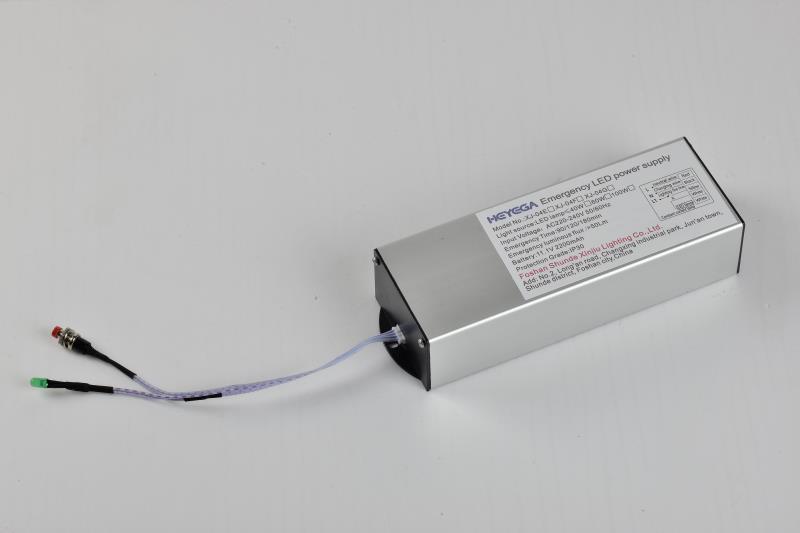
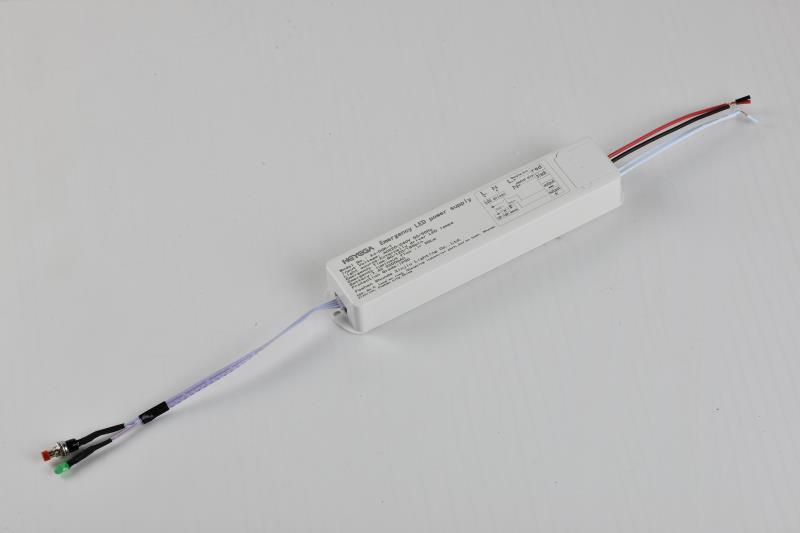
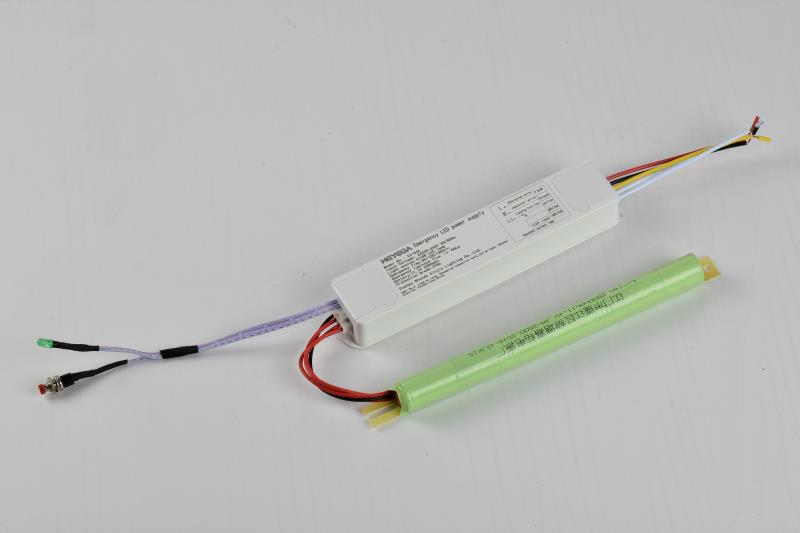
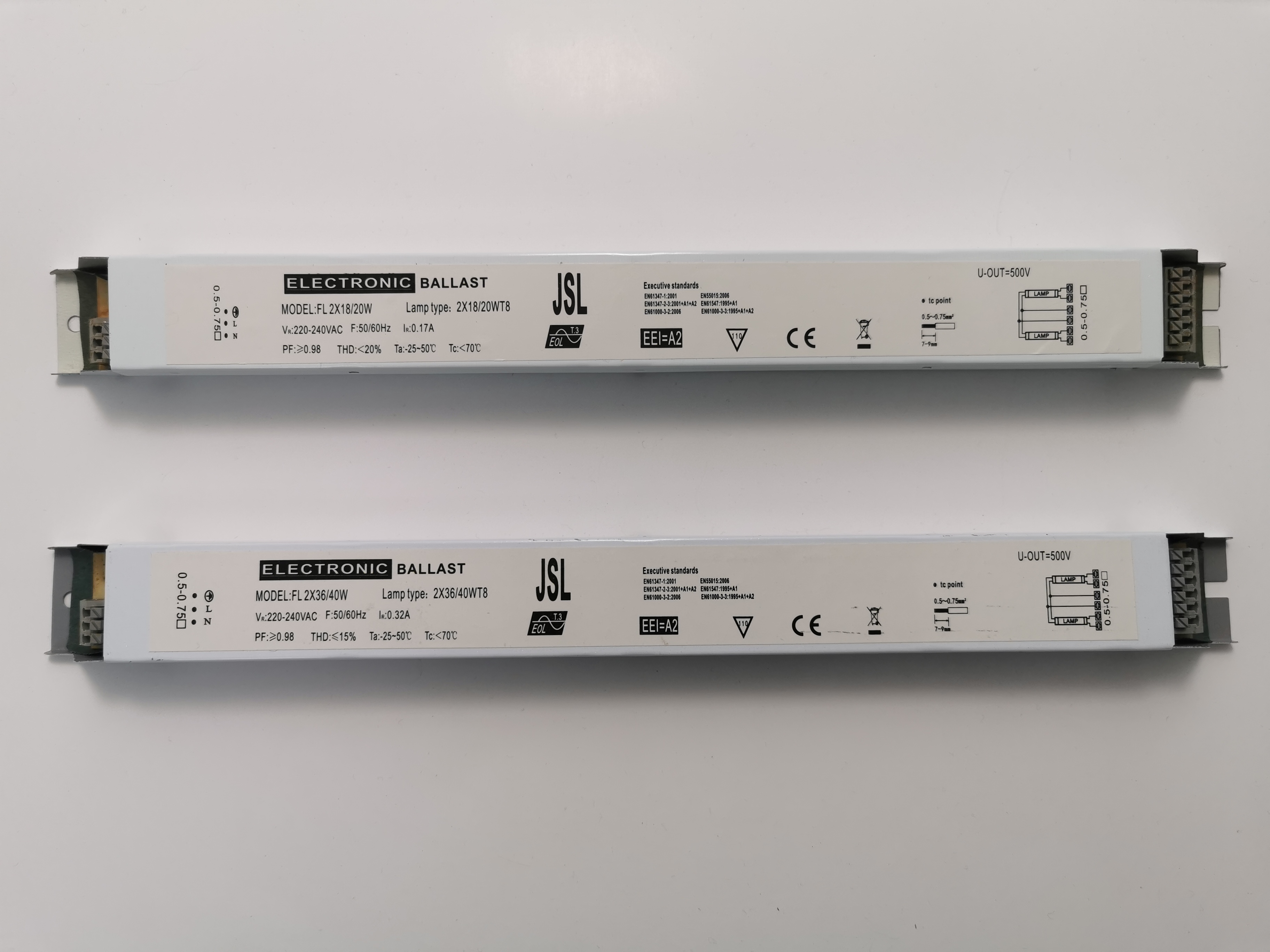
Source commercial-grade ballasts from vetted suppliers and manufacturers across Asia. Designed for lighting importers, wholesale distributors, and brands seeking reliable OEM production, our network delivers high-performance electronic and magnetic ballasts at scale to meet strict international compliance and performance standards.
Sourcing ballasts in volume requires navigating a highly fragmented supply base where the difference between a five-year lifespan and premature failure often comes down to internal component selection and thermal management. For commercial lighting applications, securing consistent batches means looking past top-line wattage to scrutinize the PCB assembly, capacitor sourcing, and quality control protocols of the factory.
Defining Your Ballast Specifications
When negotiating with manufacturers, vague specifications lead to inconsistent production runs. The factory will naturally optimize for cost unless you explicitly define the electrical and thermal performance boundaries of the unit.
| Specification | Standard Commercial | Premium / Industrial |
|---|---|---|
| Power Factor (PF) | Over 0.90 | Over 0.98 |
| Total Harmonic Distortion (THD) | Under 20% | Under 10% |
| Operating Temp (Tc Max) | 70°C to 75°C | 85°C to 90°C |
| Capacitor Rating | 105°C (Generic) | 105°C to 130°C (Tier 1 Brand) |
Beyond these baseline metrics, you must specify the Ballast Factor (BF) required for your specific fixtures, as this determines the actual light output relative to a reference ballast. A high BF increases lumen output but reduces lamp life, while a low BF maximizes efficiency in over-lit areas.
Ensure your ballast specifications translate accurately to the factory floor. Get expert help vetting suppliers and locking in your technical requirements.
Talk to our teamWhere Factory-Level Quality is Won or Lost
The core of an electronic ballast is its printed circuit board (PCB) and the layout of its components. Evaluating a supplier requires looking at their manufacturing environment and testing infrastructure. Conducting thorough Factory Audits is critical before committing to a bulk order, as it reveals the true capability of the assembly line.
Component Sourcing
Electrolytic capacitors dictate the lifespan of the ballast. Premium suppliers use Tier-1 capacitors (e.g., Rubycon or equivalent) rated for high temperatures, while budget factories use generic alternatives that dry out quickly.
PCB Assembly (SMT & DIP)
Surface Mount Technology (SMT) should be automated to ensure precision. Pay attention to the wave soldering process for through-hole components; poor soldering leads to cold joints and high failure rates under thermal stress.
Potting and Encapsulation
For outdoor or high-vibration environments, the ballast housing must be filled with a thermally conductive potting compound. This dissipates heat away from critical components and protects against moisture.
Burn-In Testing
Reliable factories conduct 100% full-load burn-in testing for 4 to 8 hours at elevated temperatures to catch early-life component failures before packaging.
Implementing independent Quality Control & Inspection during the burn-in phase and before shipment is the most effective way to ensure the factory is not cutting corners on testing protocols.
Navigating Certifications and EMI/EMC
Ballasts are notorious for generating electromagnetic interference (EMI). Passing EMI/EMC testing is non-negotiable for importing into major markets. For North America, UL or cUL listing (often Class P for LED drivers and ballasts) is standard, while Europe requires ENEC and CE marks.
Do not take a supplier's datasheet at face value. A common factory tactic is to submit a "golden sample" with premium components to the testing lab, but use cheaper, noisier components for mass production. Utilizing independent Compliance & Testing services ensures the units rolling off the line match the certified design.
Wholesale Pricing, MOQs, and Production Realities
Tooling a custom ballast housing or engineering a proprietary PCB layout through OEM/ODM Services will require higher upfront commitments than purchasing off-the-shelf designs.
Pricing is heavily dependent on raw material costs—specifically copper (for magnetic components) and the global supply of electronic components (ICs, capacitors). When negotiating price, always tie the quote to a specific Bill of Materials (BOM) so the factory cannot silently swap components if raw material costs rise.
Structure a supply chain that balances competitive unit costs with rigorous defect control and reliable lead times.
Get a free consultationThe true cost of a ballast is realized in the field. A slightly cheaper unit that drives up maintenance costs and replacement labor is a bad trade for any commercial lighting project. Focus on component transparency, thermal management, and rigorous burn-in protocols to secure a supply chain you can rely on.
Get Sourcing Help for Ballasts
Tell us your requirements and our experts will connect you with verified manufacturers.