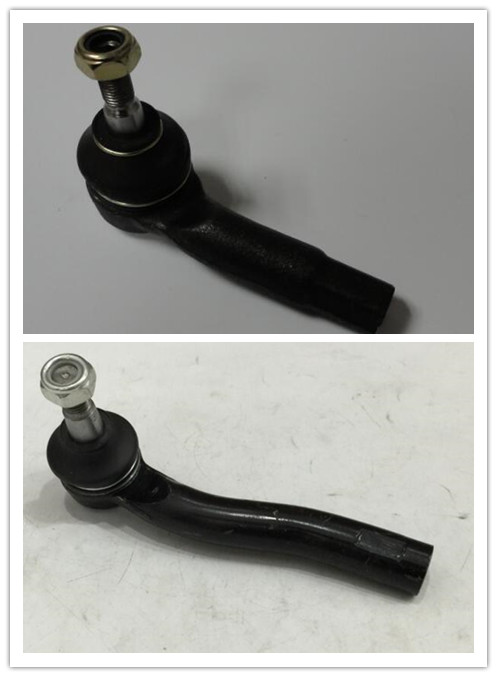
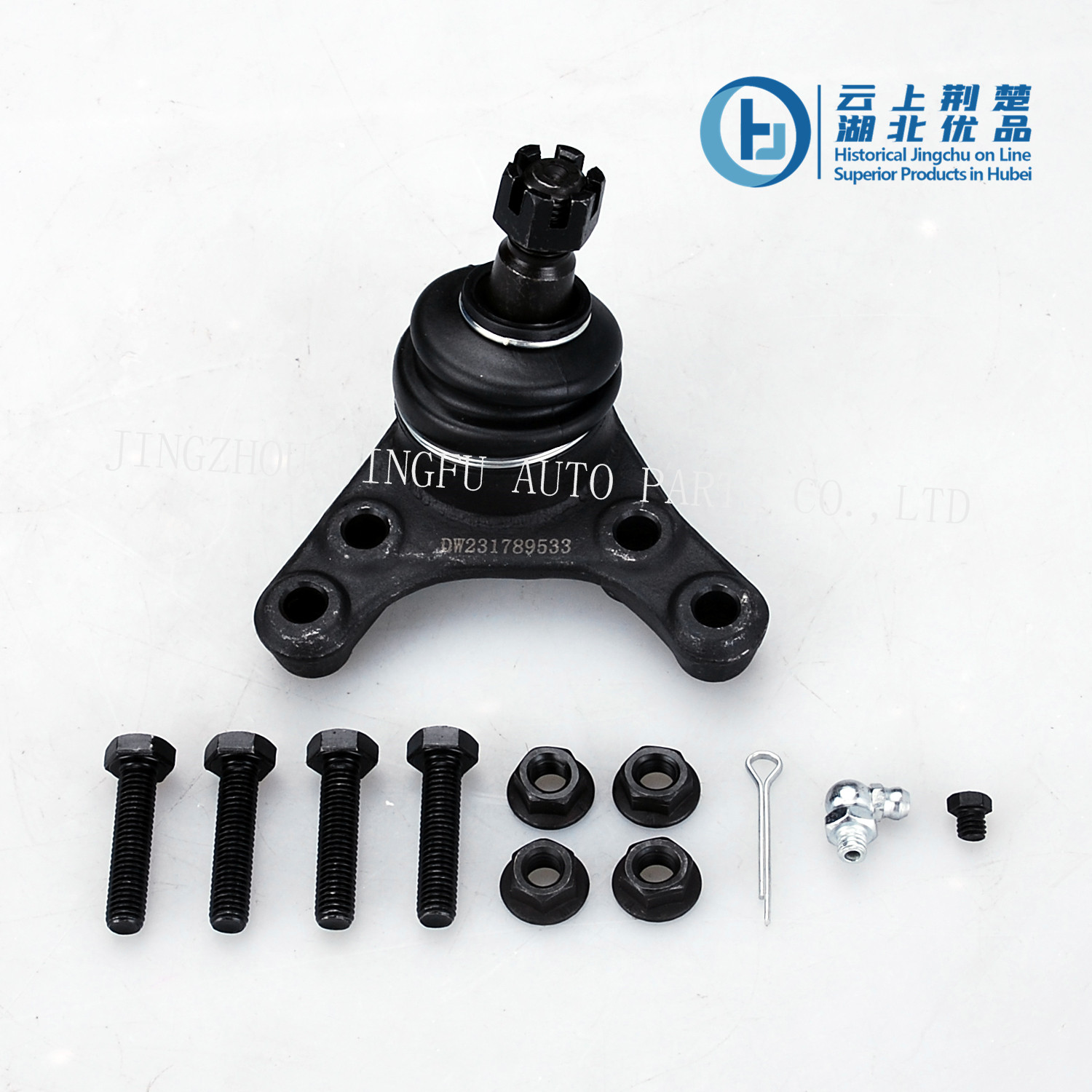
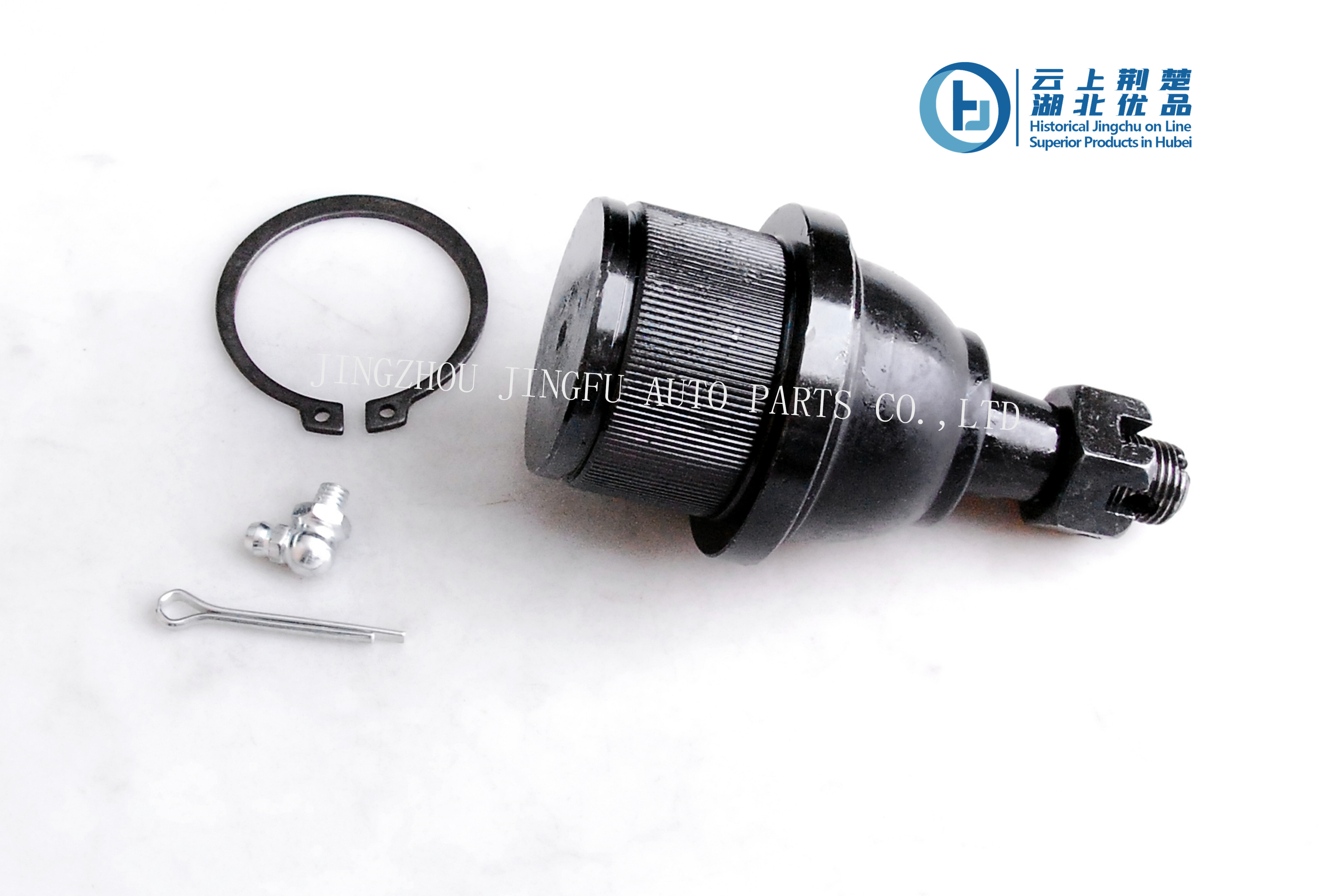
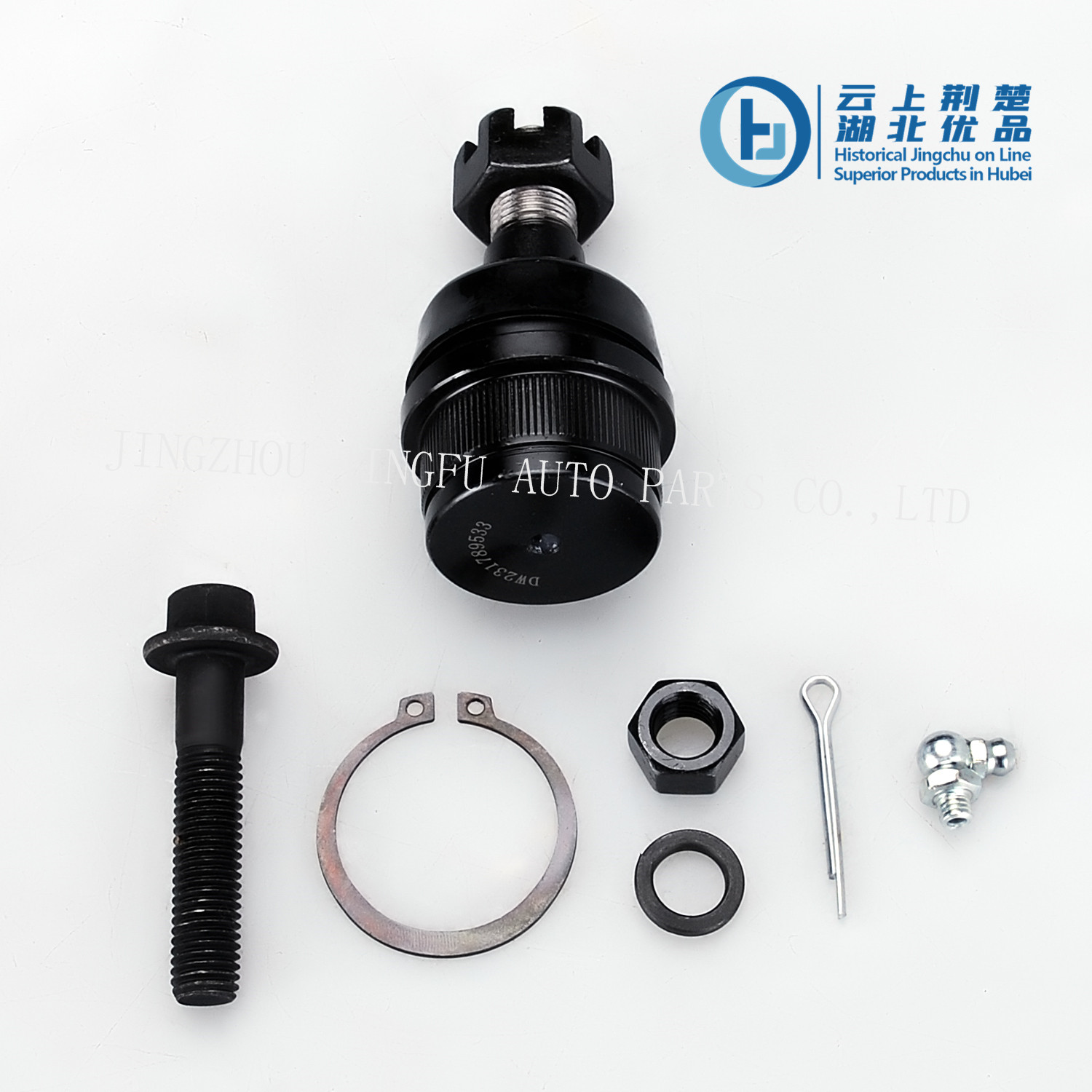
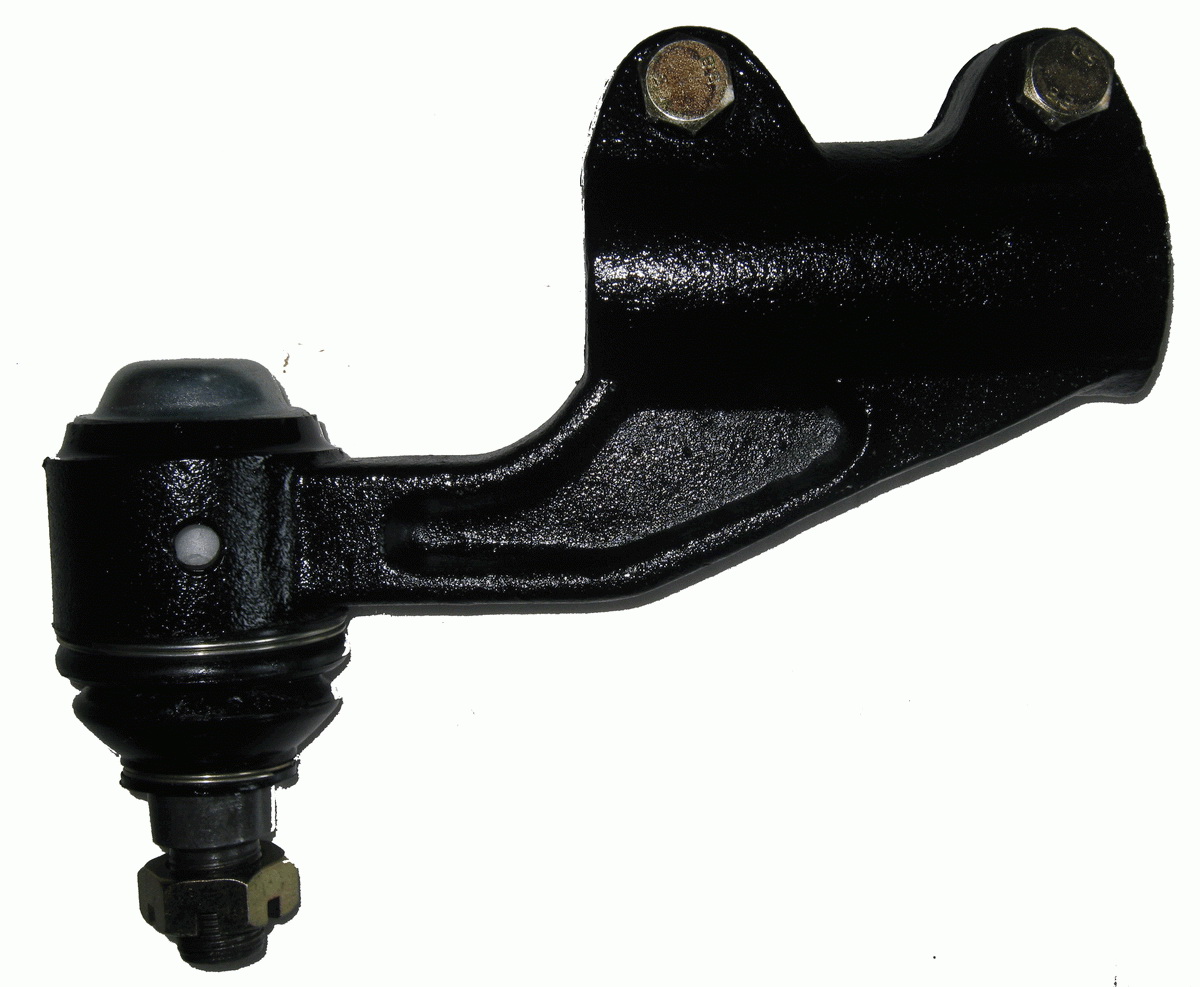
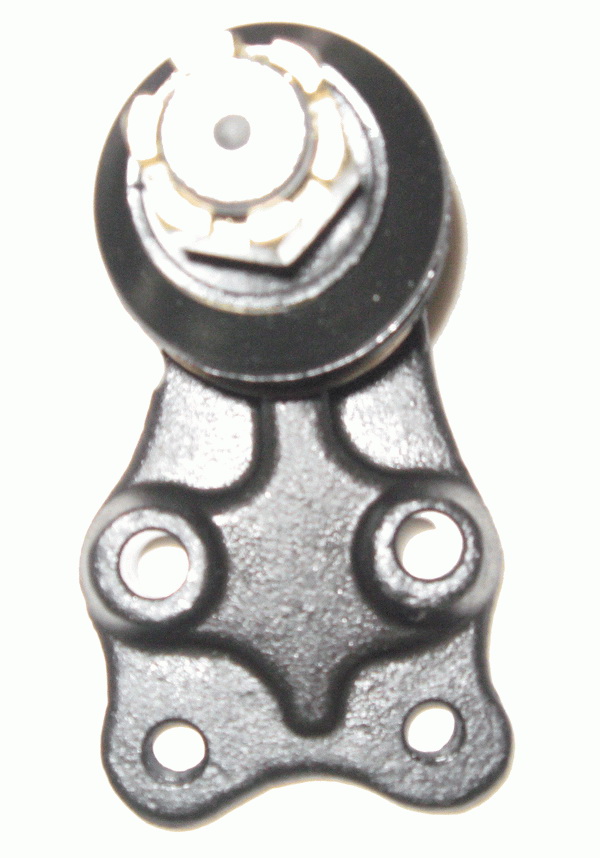
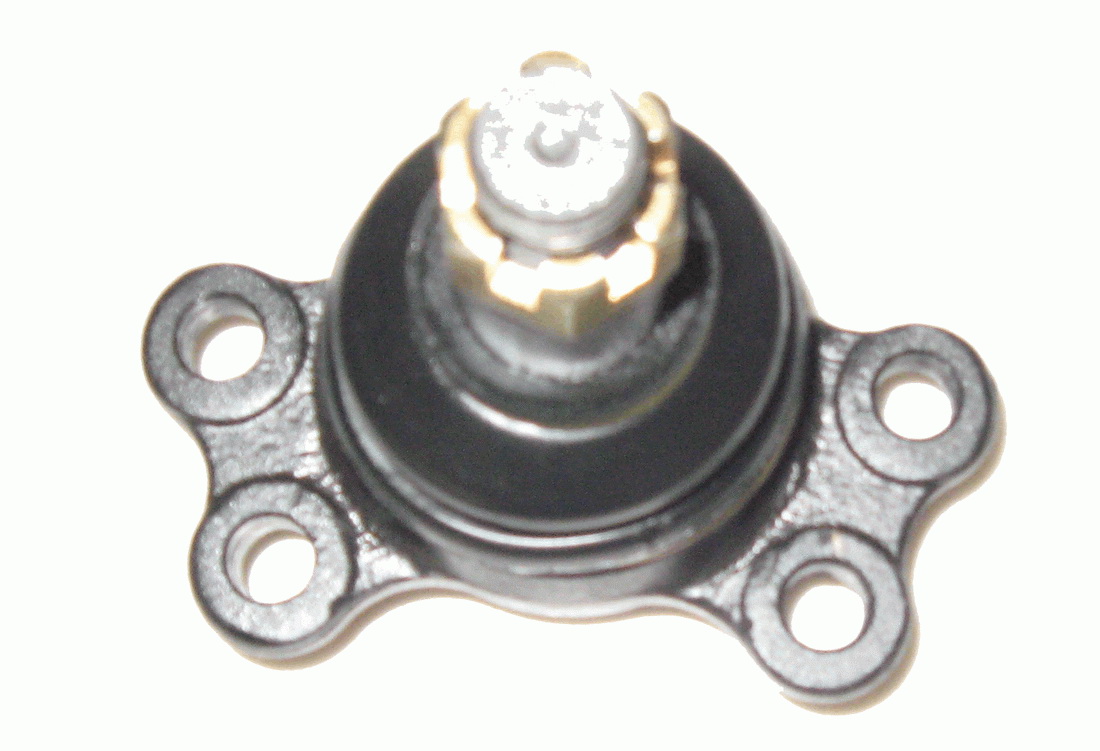
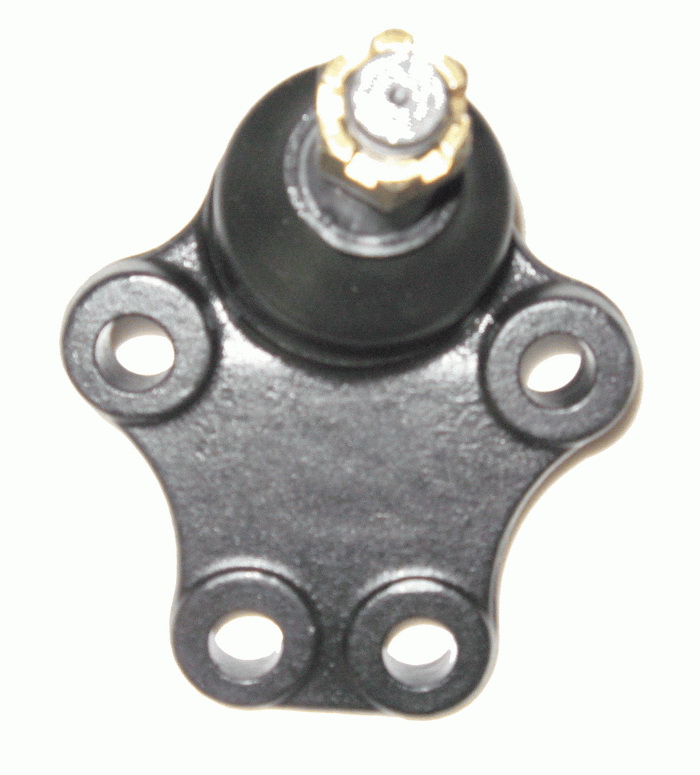
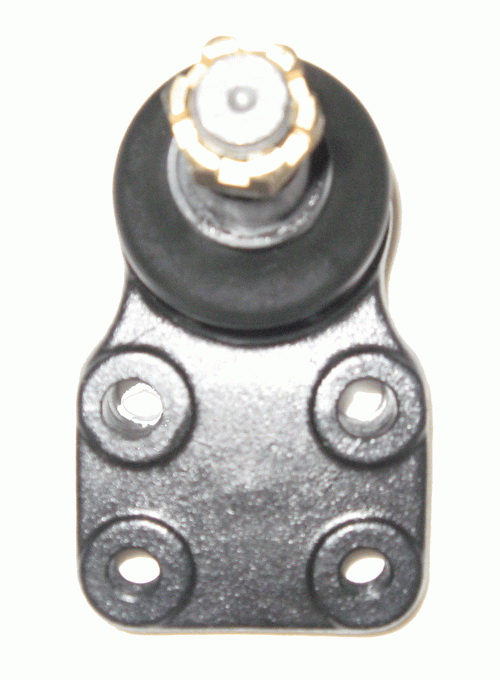
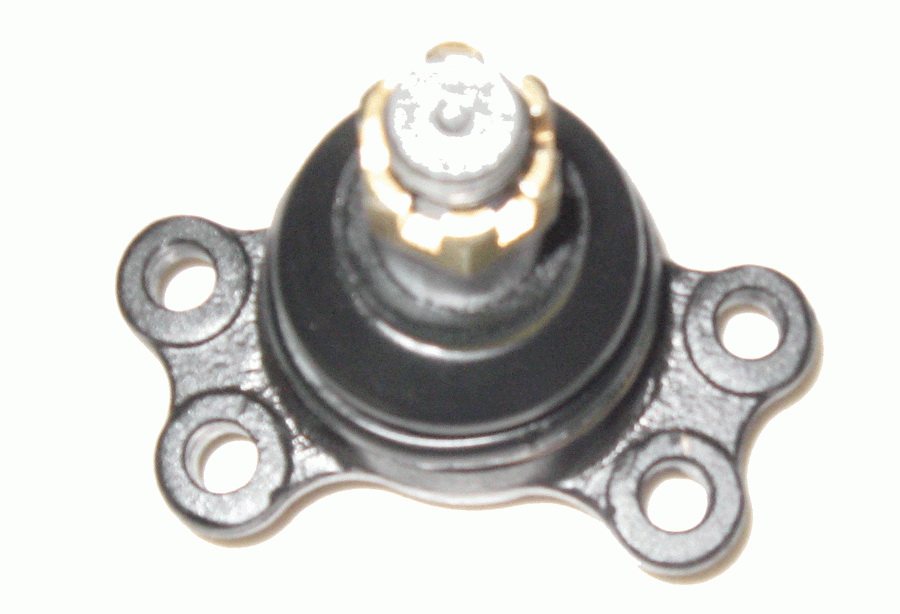
Ball Joints
Source premium automotive ball joints from vetted suppliers and manufacturers across Asia. Designed for importers, auto parts wholesalers, and aftermarket brands seeking reliable OEM and private-label production, our network delivers high-volume suspension components engineered to strict international tolerances.
Sourcing ball joints at volume requires balancing aggressive aftermarket pricing with zero-compromise safety standards. As a critical pivot point in the suspension system, a ball joint's failure leads to catastrophic loss of steering control. For volume buyers, the challenge isn't just finding a factory that can machine a steel stud; it is securing a manufacturing partner capable of consistent heat treatment, precise torque calibration, and reliable polymer sourcing across thousands of SKUs.
Critical Specifications & Metallurgy
The longevity of a ball joint is dictated by its materials and internal geometry. When negotiating specifications with a manufacturer, you must define the exact metallurgical grades and surface treatments required for your target market.
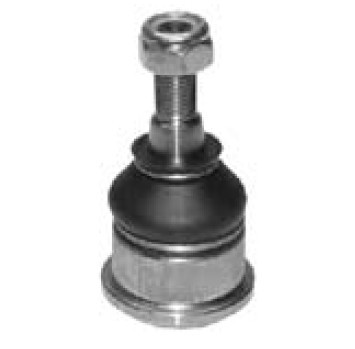
- Ball Stud: Typically forged from 40Cr or 35CrMo steel. The spherical surface must undergo induction hardening to achieve a surface hardness of HRC 50 to 60, ensuring wear resistance while maintaining core toughness to prevent snapping under lateral loads.
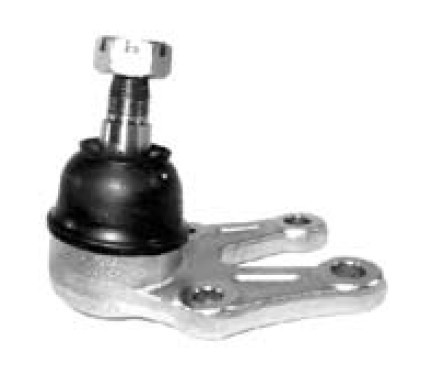
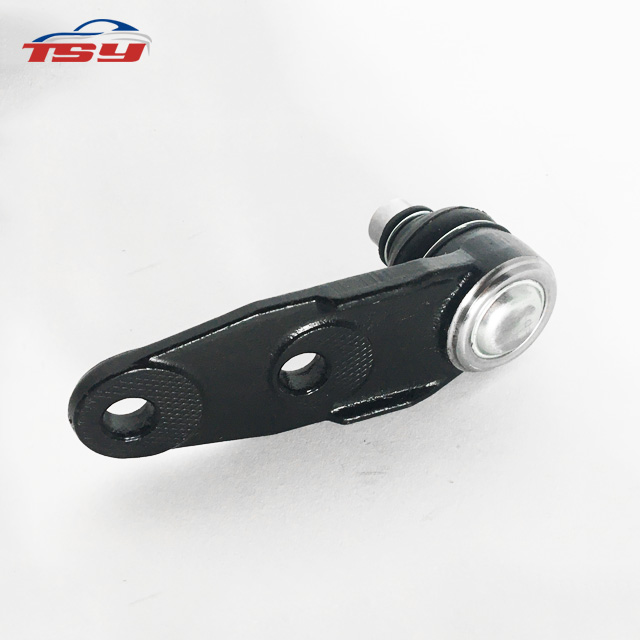
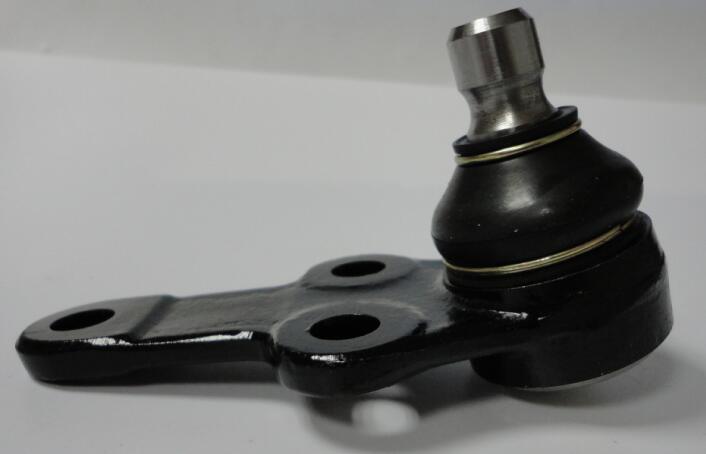
- Housing (Socket): Commonly forged from Q235 or 45# steel for standard applications, or cast aluminum for modern lightweight suspension systems.
- Surface Treatment: E-coating (electrophoretic deposition) or zinc plating is standard. Buyers should specify salt spray test requirements, typically demanding a minimum of 72 to 120 hours of resistance.
| Bearing/Gusset Type | Friction Profile | Durability & Load | Best Application |
|---|---|---|---|
| Polymer (POM) | Low friction, smooth operation | Excellent wear, degrades under extreme heat | Standard passenger vehicles |
| Sintered Metal | Higher initial friction | Superior heavy-load and impact resistance | Commercial trucks, heavy off-road |
Manufacturing Tolerances and Quality Control
The difference between a premium aftermarket part and a high-warranty-return disaster often lies in the factory's CNC machining tolerances and assembly environment. The spherical ball and the internal bearing must mate perfectly to achieve the correct starting torque and rotational torque. If the machining is off by fractions of a millimeter, the joint will either bind or exhibit premature play.
Validating a supplier's heat-treatment facilities and CNC precision often requires rigorous factory audits to ensure they aren't outsourcing critical metallurgical processes to unverified sub-tier workshops.
Ensure your suspension component suppliers meet strict IATF 16949 standards.
Talk to our teamWhat to Verify on the Factory Floor
Key Production Verification Points
- Induction hardening depth on the ball stud (must not be too shallow or too deep).
- Surface finish (Ra value) of the ball stud to prevent premature wear of the POM bearing.
- Grease formulation and fill volume (lithium-based molybdenum disulfide grease is standard).
- Dust boot sealing integrity and material verification (Chloroprene Rubber/CR is preferred over Natural Rubber/NR).
Implementing systematic quality control is essential to catch torque deviations, poor boot crimping, or missing grease before the batch is packed into your branded boxes.
Sourcing Reality: MOQs, Lead Times, and Pricing
The auto parts aftermarket is highly fragmented, meaning suppliers must manage massive catalogs of SKUs. Because of this, production runs are heavily dependent on existing tooling.
For standard aftermarket replacements where the factory already holds the tooling, MOQs typically range from 200 to 500 pieces per SKU. If you are developing custom suspension components for performance applications via OEM/ODM services, expect higher minimums to amortize the cost of new forging dies and testing fixtures.
Pricing is heavily indexed to the cost of raw steel (40Cr/45#) and the level of automation in the factory's assembly line. Beware of quotes that fall significantly below the market average; they almost always indicate corners cut in heat treatment duration, cheaper natural rubber boots, or recycled polymer bearings.
Streamline your auto parts sourcing and consolidate your supply chain.
Get a free consultationFrequently Asked Questions
Successfully importing ball joints requires looking past the polished samples to interrogate the supplier's raw material sourcing and metallurgical consistency. Partnering with experienced sourcing professionals ensures your supply chain remains resilient, compliant, and competitively priced.
Get Sourcing Help for Ball Joints
Tell us your requirements and our experts will connect you with verified manufacturers.