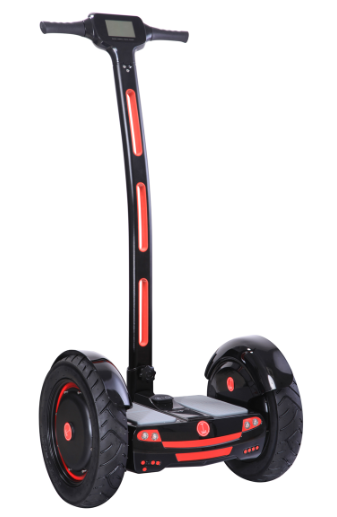
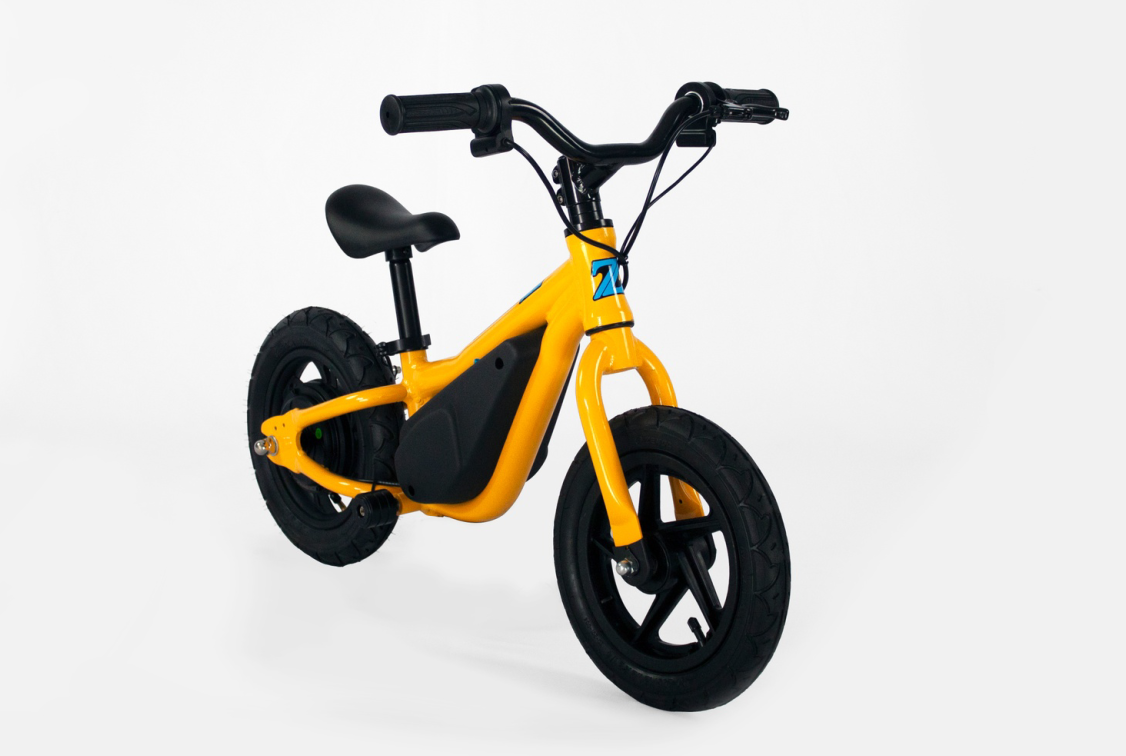
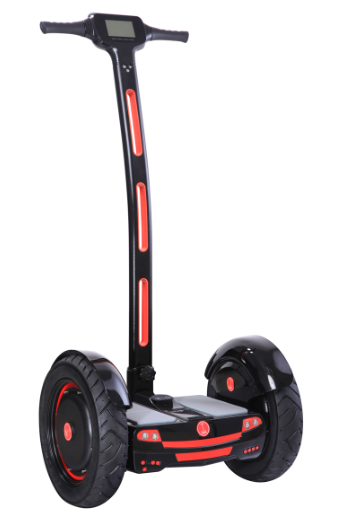
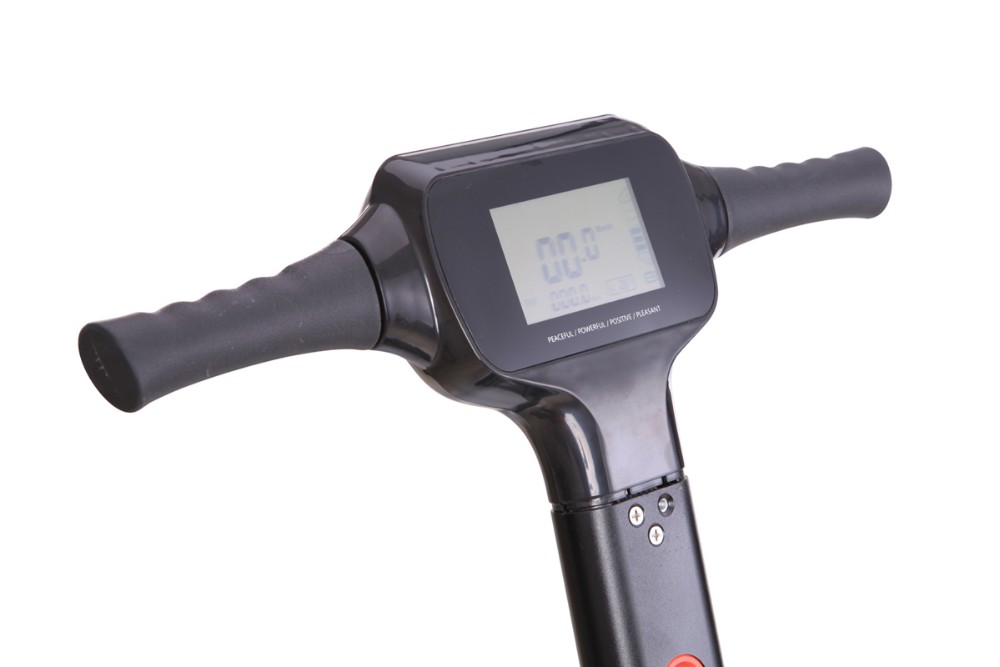
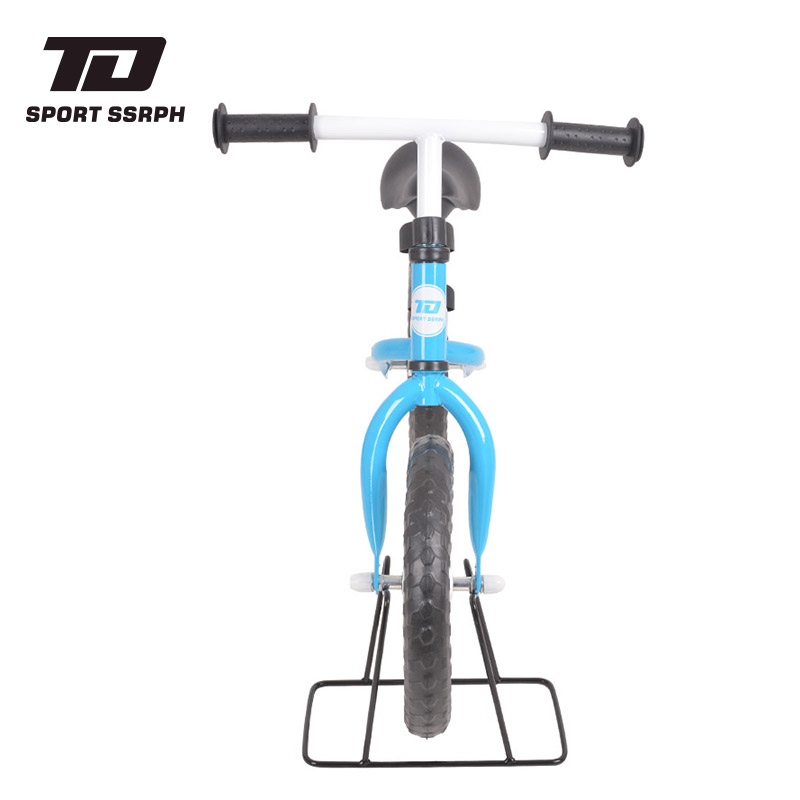
Balance Vehicle
Source premium balance vehicles directly from vetted manufacturers and suppliers. Designed for importers, wholesalers, distributors, and brands seeking reliable OEM and private-label production. Secure bulk orders with stringent quality control and certified battery systems for global markets.
Sourcing self-balancing vehicles at scale requires navigating a minefield of battery safety regulations, motor efficiency standards, and gyroscope calibration tolerances. For volume buyers, the difference between a profitable product line and a costly recall lies entirely in component selection and factory-level oversight.
Component Selection and BOM Control
The battery pack, hub motors, and control board dictate roughly 80 percent of the unit's Bill of Materials (BOM) cost and nearly all of its safety profile. Leaving component selection entirely up to the assembly factory often results in generic, uncertified parts being substituted to widen margins.
To maintain reliability, you must specify the exact brand and capacity of the lithium-ion cells, the wattage of the brushless DC (BLDC) motors, and the architecture of the motherboard.
| Component | Standard / Entry-Level | Premium / High-Performance |
|---|---|---|
| Battery Pack | Generic Chinese Cells (36V 2.0Ah) | Samsung/LG Cells (36V 4.4Ah+) |
| Hub Motors | Dual 250W | Dual 350W to 500W Brushless |
| Control Board | Single-system (shared gyro) | Dual-system (independent gyros) |
| Chassis | Standard ABS Plastic | Reinforced Aluminum Alloy |
Compliance and Safety Standards
Balance vehicles face some of the strictest import regulations of any consumer electronic due to the fire risks associated with large lithium-ion battery packs.
For the North American market, UL 2272 certification is non-negotiable. This is not just a battery test; it evaluates the entire electrical drive train, including the charger, battery pack, and thermal management systems. For the European Union, CE marking (specifically EN 62133 for the batteries and applicable Machinery/EMC directives) is mandatory.
Managing Compliance & Testing requires verifying that the supplier's certificates are authentic, issued by recognized laboratories, and specifically cover the exact BOM you are purchasing. A common pitfall is factories presenting a UL certificate for a flagship model while attempting to sell you a cost-reduced variant that is not actually covered by that certification.
Navigating UL 2272 and battery compliance can delay your time to market. Let us verify your supplier's certifications and secure your component supply chain.
Talk to our teamManufacturing Oversight and Quality Control
The assembly line is where premium components can be compromised by poor manufacturing practices. PCBA (Printed Circuit Board Assembly) handling must occur in strict anti-static environments. Furthermore, battery pack spot-welding consistency is critical; weak welds lead to high resistance, heat generation, and eventual failure.
Conducting thorough Factory Audits before placing a deposit ensures the assembler has the necessary testing equipment on-site, such as chassis stress testers, battery cycle-life machines, and dynamometers for motor torque verification.
Critical Factory-Level QC Checks
- Battery Management System (BMS) overcharge and thermal cutoff testing.
- Gyroscope calibration and dead-zone verification on simulated inclines.
- Motor winding insulation testing and water resistance checks (IP54 minimum).
- Burn-in testing (typically 2 to 4 hours) to identify early electronic failures.
- Charger certification matching (ensuring the charger output strictly matches the BMS input limits).
Customization and OEM Capabilities
For brands looking to differentiate, off-the-shelf casing is rarely sufficient. Utilizing OEM/ODM Services allows you to develop custom tooling for the outer shell, integrate proprietary Bluetooth applications for ride tracking, and upgrade physical components like switching from solid 6.5-inch wheels to pneumatic 10-inch off-road tires.
App integration requires the factory to provide API access to the control board, which is only possible if you are working with top-tier motherboard suppliers (like Taotao or equivalent established tech providers).
Pricing, MOQs, and Lead Times
Because balance vehicles are heavy, battery-dense items, logistics and production schedules require careful planning. Shipping lithium batteries requires UN38.3 certification and a valid MSDS. Sea freight is the standard, as air freight is highly restricted and prohibitively expensive for these battery capacities.
Need to lock in production schedules and secure reliable sea freight for high-capacity battery products? We manage the entire process from factory floor to your warehouse.
Get a free consultationFrequently Asked Questions
Sourcing balance vehicles profitably means treating the battery, motor, and control board as a unified ecosystem rather than just a collection of parts. When you control the BOM, verify certifications at the source, and enforce strict assembly standards, you eliminate the safety and reliability risks that plague lower-tier imports.
Get Sourcing Help for Balance Vehicle
Tell us your requirements and our experts will connect you with verified manufacturers.