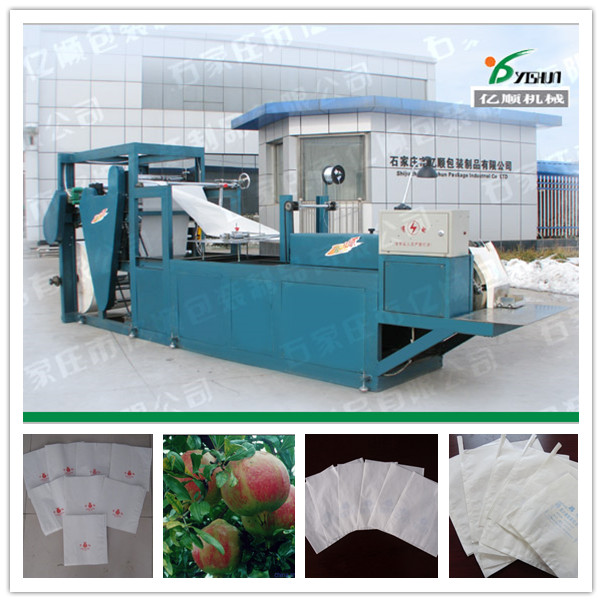
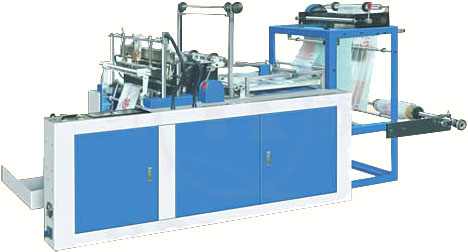
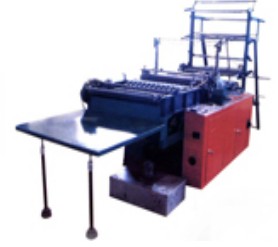
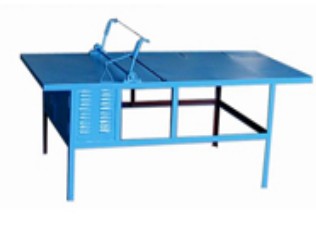
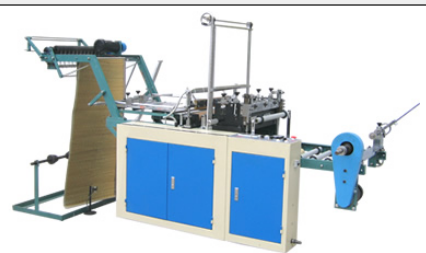
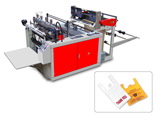
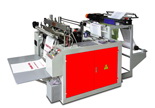
Bag Making Machines
Source industrial bag making machines from vetted suppliers and manufacturers. Designed for importers, wholesalers, distributors, and procurement managers looking for high-capacity production equipment. Whether you need standard configurations or custom OEM builds, find reliable factory-direct pricing for your bulk sourcing needs.
Sourcing industrial bag making machinery requires balancing production speed, material versatility, and long-term reliability. For procurement managers and distributors, the challenge isn't just finding a machine that meets baseline specifications; it's ensuring the manufacturer uses high-grade components and maintains strict assembly tolerances to prevent costly downtime on your clients' factory floors.
Core Specifications and Drive Systems
The heart of any high-speed bag making machine is its drive and control system. Buyers must specify the exact material types (PE, PP, BOPP, laminated films) and thicknesses (measured in microns) the machine will process, as this dictates the required sealing mechanisms and motor capacities.
A critical decision is the choice of drive system for web tension control and feeding. While entry-level machines often utilize stepper motors, industrial-grade equipment relies on servo motors (commonly sourced from brands like Yaskawa, Panasonic, or Delta) for precise length control at high speeds.
| Drive System | Speed & Precision | Ideal Application |
|---|---|---|
| Stepper Motor | Moderate speed, standard precision | Entry-level production, lower budgets |
| Servo Motor | High speed, exact tension control | High-volume, multi-lane continuous production |
Need help verifying technical specifications with overseas manufacturers? We can bridge the engineering gap.
Talk to our teamManufacturing Quality and Component Verification
When evaluating manufacturers, the difference between a reliable machine and a maintenance nightmare lies in the assembly precision and the origin of core components. The sealing bars must maintain consistent temperature across their entire width; variations of even a few degrees can cause weak seals or burnt film.
Photocell tracking systems (such as those from SICK) are also vital for printed films, ensuring the cutting blade aligns perfectly with the print registration marks. Standard tracking tolerance should be within plus or minus 1mm.
Critical Factory Evaluation Points
- Verify the origin of the PLC and HMI (look for Siemens, Delta, or Mitsubishi).
- Check the rigidity of the machine frame (cast iron or heavy-duty steel to minimize high-speed vibration).
- Inspect the quality of the sealing knives (copper or specialized alloys for optimal heat transfer).
- Ensure the unwinding section includes automatic tension control and edge position control (EPC).
Conducting thorough Factory Audits before placing an order is essential to confirm the supplier actually machines their own frames and has the engineering capacity to support the equipment post-sale, rather than just assembling cheap off-the-shelf parts.
Pricing, Lead Times, and Logistics
Industrial machinery pricing varies drastically based on automation levels, speed (bags per minute, or bpm), and the number of production lanes. Standard single-lane machines for simple flat bags typically range from $15,000 to $30,000. High-speed, multi-lane machines with automatic punching, folding, and robotic stacking can easily exceed $80,000.
Because these machines are heavy and bulky, they require careful packing (usually vacuum-sealed and crated in fumigated wood) and typically ship via standard ocean freight in 20ft or 40ft containers. Proper coordination of Shipping & Freight is critical to avoid rust or transit damage.
Managing heavy machinery logistics and factory acceptance testing is complex. Let our team handle the details.
Get a free consultationFactory Acceptance Testing (FAT)
Never authorize the final balance payment without a rigorous Factory Acceptance Test. Proper Quality Control & Inspection should involve running the machine at the supplier's facility using your exact film material for several hours. This ensures the machine hits the promised bags-per-minute rate without overheating the sealing bars or losing print registration.
Successfully sourcing bag making machines comes down to rigorous specification management and holding the factory accountable during assembly. By focusing on component quality and enforcing strict pre-shipment testing, you can secure equipment that delivers years of reliable production.
Get Sourcing Help for Bag Making Machines
Tell us your requirements and our experts will connect you with verified manufacturers.