Back Support
Source high-quality back support products directly from vetted Chinese manufacturers and suppliers. Designed for importers, medical distributors, and sports brands, our wholesale and OEM/ODM production options ensure reliable quality, scalable capacity, and competitive pricing for your bulk orders.
Sourcing back supports at volume requires balancing material elasticity with structural rigidity. The primary manufacturing challenge lies in maintaining consistent compression across varied sizing matrices while ensuring long-term durability under stress. A slight deviation in stitching tension or material grade can lead to premature wear, seam failure, or inadequate lumbar support, directly impacting return rates and brand reputation.
Core Material Specifications
The performance of a back brace is dictated by its base materials and structural components. When negotiating with factories, specifying exact material grades rather than generic terms is critical to receiving consistent production batches.
| Material / Component | Characteristics & Specs | Typical Application |
|---|---|---|
| SBR Neoprene | Cost-effective synthetic rubber, moderate stretch, lower breathability | Entry-level retail sports supports |
| CR Neoprene | High resilience, excellent temperature resistance, superior memory | Premium sports and rehabilitation braces |
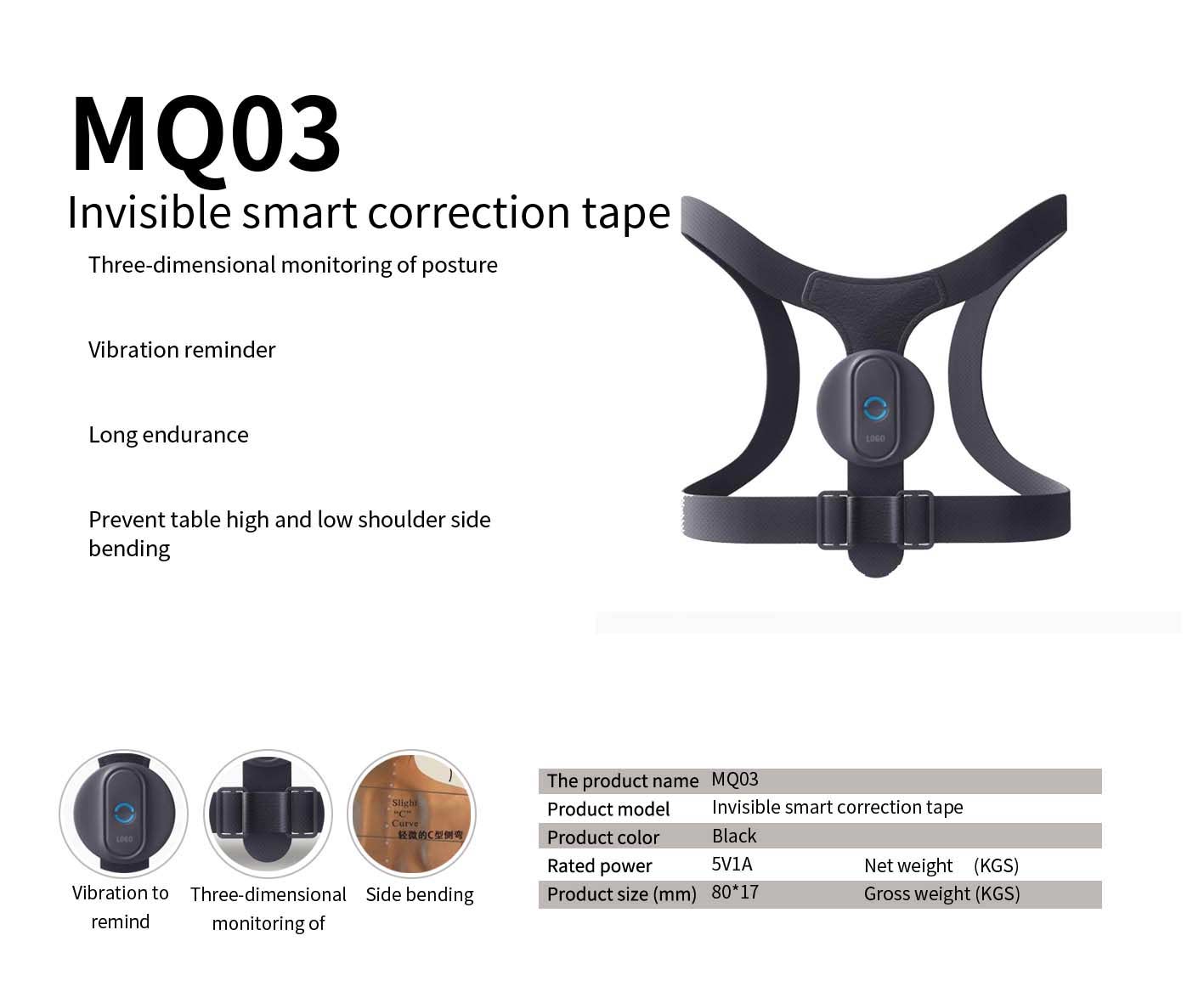
| Spandex/Polyester Mesh | High elasticity, moisture-wicking, highly breathable | Daily wear and posture correctors |
| Injection Hook Fasteners | Low profile, prevents snagging on base fabrics, high cycle life | High-end OEM/ODM designs |
Structural Stays and Support Mechanisms
Rigid or semi-rigid stays provide the actual lumbar support. Factories typically offer ABS plastic, flexible steel springs, or aluminum alloys. Plastic stays are lightweight and cost-effective but can warp under heavy load. Steel springs offer dynamic support but must be properly capped and coated to prevent fabric puncture and rust. If you are developing custom profiles, engaging OEM/ODM services ensures the factory correctly molds the stays to your ergonomic specifications.
Navigating material grades and factory capabilities takes time. Let us handle supplier vetting, sample development, and price negotiation for your back support line.
Talk to our teamManufacturing Tolerances and Quality Control
Quality is won or lost on the factory floor through cutting precision and stitching techniques. Back supports endure significant multi-directional stress. Overlock stitching is common but can create bulky, uncomfortable seams. Flatlock stitching is the industry standard for premium supports, requiring specialized machinery and higher labor costs.
Critical Defect Zones
When establishing your quality control protocols, instruct inspectors to focus on the following high-risk areas:
Pre-Shipment Inspection Focus Areas
- Hook-and-loop cycle life: Test for minimum peel strength after repeated use.
- Seam tension: Apply manual lateral force to flatlock seams to check for thread snapping.
- Stay placement: Verify symmetry of lumbar stays (acceptable tolerance is typically ±2mm).
- Binding edges: Ensure bias tape is fully secured with no exposed neoprene edges.
- Sizing consistency: Measure unstretched and stretched dimensions against the approved size chart.
Depending on your target market, back supports may cross the line into Class I medical devices. If you are marketing them for rehabilitation or pain relief, ensure your supplier has the necessary ISO 13485 certifications and that your products undergo proper compliance testing for regional regulatory standards (such as CE or FDA registration).
Pricing, MOQs, and Lead Times
Unit costs for back supports vary wildly based on material composition, the complexity of the support mechanism (e.g., dual-pulley systems vs. simple elastic bands), and order volume.
Factories often lower MOQs for products utilizing off-the-shelf SBR neoprene and standard webbing. However, custom-dyed fabrics, specialized CR neoprene, or proprietary injection-molded stays will push MOQs closer to 2,000 pieces due to raw material purchasing minimums.
Need to lock in reliable production capacity? We coordinate the entire supply chain, from raw material sourcing to final container loading.
Get a free consultationFrequently Asked Questions
Successfully sourcing back supports requires tight control over material specifications and rigorous in-line inspection to prevent seam failures. By defining exact material grades and testing protocols upfront, buyers can secure reliable, high-performance inventory that scales.
Get Sourcing Help for Back Support
Tell us your requirements and our experts will connect you with verified manufacturers.