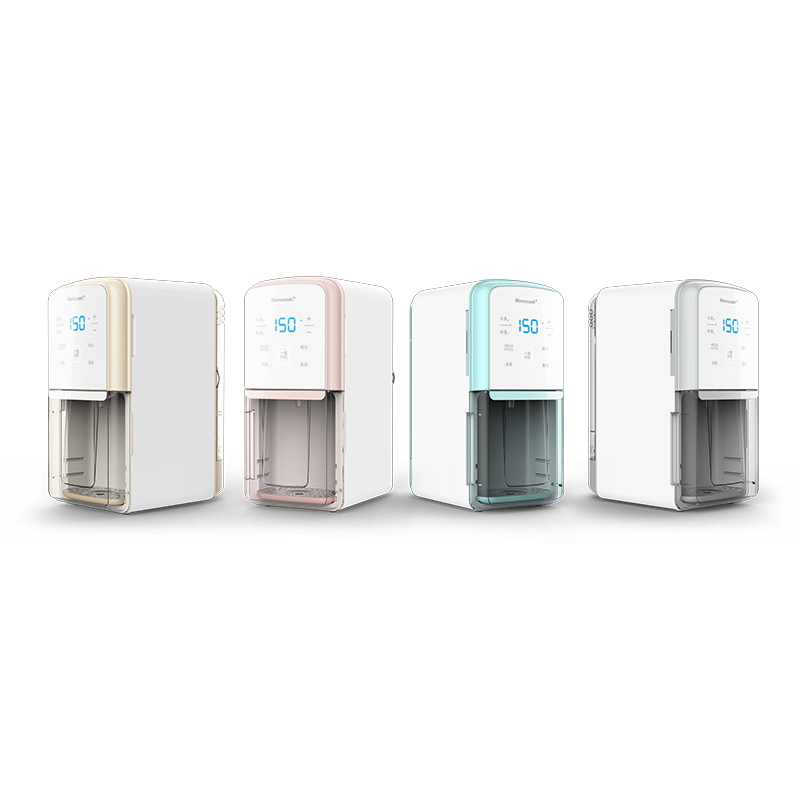
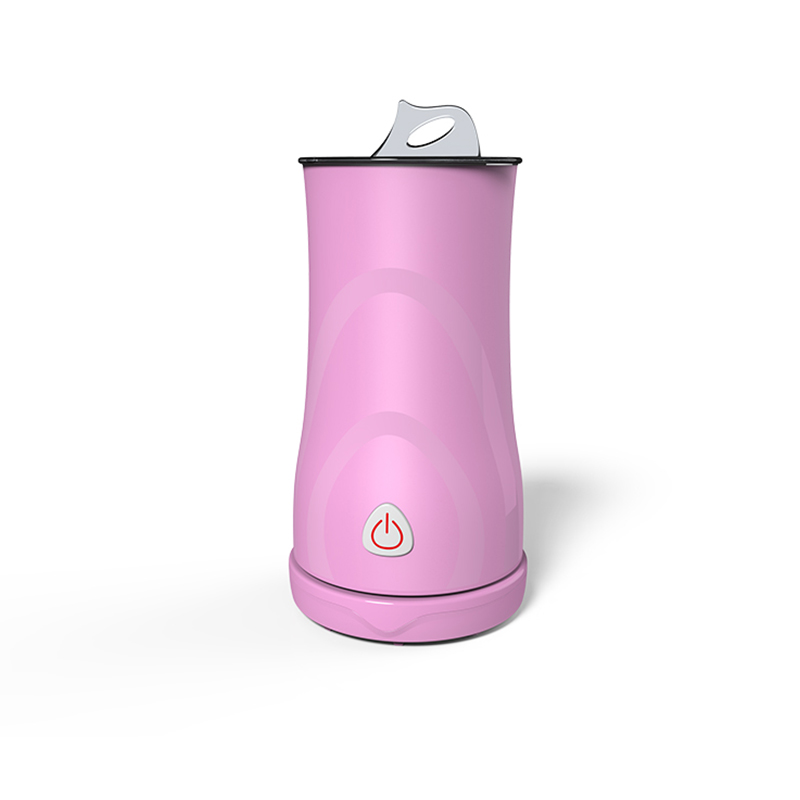
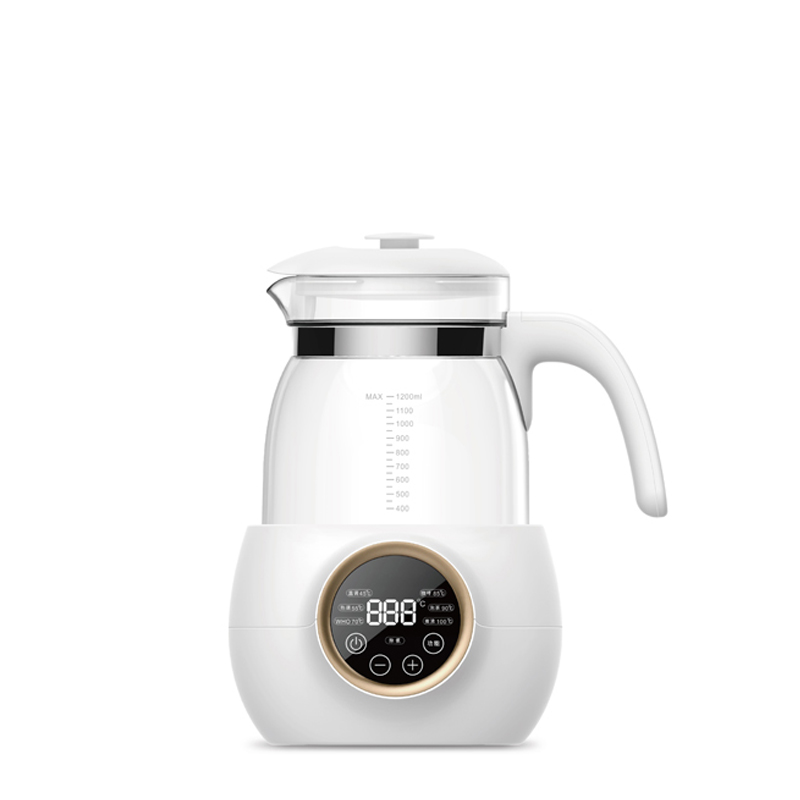
Baby Food Makers & Bottle Warmers
Source premium Baby Food Makers & Bottle Warmers from vetted suppliers and manufacturers across Asia. Designed for importers, wholesalers, and brands seeking reliable OEM/ODM production, our network delivers food-safe, compliance-tested baby appliances tailored for global markets.
Sourcing baby electrical appliances requires balancing three high-risk manufacturing vectors: water, heat, and food contact. When procuring baby food makers and bottle warmers at scale, buyers must ensure factories maintain stringent controls over component sourcing, particularly regarding temperature sensors, heating plates, and food-grade plastics. A failure in any of these areas leads to nutrient destruction in breast milk, motor burnout, or regulatory recalls.
Critical Component Specifications
The core functionality of bottle warmers and food makers relies on precise thermal management and durable mechanical components. Factories producing lower-tier units often substitute standard resistance wire for advanced heating elements, leading to hot spots and uneven heating.
Heating and Sensor Technology
For bottle warmers, breast milk preservation is paramount. Temperatures exceeding 40 degrees Celsius begin degrading essential immunological properties. Look for manufacturers utilizing PTC (Positive Temperature Coefficient) heating elements. PTC heaters are self-regulating, reducing the risk of overheating if the water reservoir runs dry.
Pairing a PTC heater with a high-grade NTC (Negative Temperature Coefficient) thermistor allows for temperature accuracy within 1 degree Celsius.
| Component | Standard Market Spec | Premium / Brand Spec |
|---|---|---|
| Heating Element | Standard Resistance Wire | PTC Ceramic Heating Plate |
| Temperature Sensor | Basic Bimetallic Thermostat | High-Precision NTC Sensor |
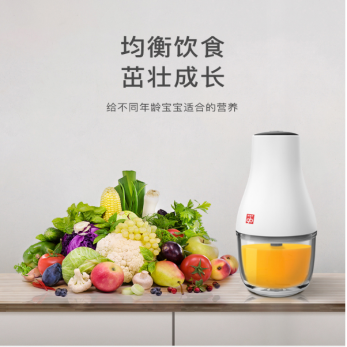
| Blending Jug (Food Maker) | Standard PP (Polypropylene) | Eastman Tritan (Shatter/Stain Resistant) |

| Blades | SUS201 Stainless Steel | SUS304 or SUS316 Stainless Steel |
Food Contact Materials
Plastics exposed to high-temperature steam must be rigorously vetted. While standard Polypropylene (PP) is common and generally safe, premium OEM brands increasingly specify Tritan for blending bowls due to its superior clarity, impact resistance, and resistance to clouding after repeated sterilization cycles. All water-contact and food-contact surfaces must pass rigorous off-gassing and migration tests.
Navigating material compliance and factory vetting for baby appliances is complex. Let our sourcing experts secure your supply chain.
Talk to our teamManufacturing Tolerances and Quality Control
The factory floor is where product longevity is determined. Baby food makers combine a high-speed blending motor with a steam-generating boiler. The primary point of failure is steam or water ingress into the motor housing or PCB (Printed Circuit Board) chamber.
During production, robust Quality Control & Inspection protocols must focus on:
Critical In-Line Inspection Points
- PCB Potting & Coating: Ensuring the main control board is sealed against ambient moisture and steam.
- Silicone Gasket Seating: Verifying the integrity of seals between the water reservoir, heating plate, and main housing to prevent internal leaks.
- Motor Shaft Seals: Checking the waterproof integrity of the blending blade assembly in food makers.
- Dry-Boil Protection Testing: Simulating an empty water tank to ensure the thermal fuse trips instantly.
- Hi-Pot (High Potential) Testing: Confirming electrical insulation integrity across all units on the assembly line.
If you are developing a custom product, leveraging professional OEM/ODM Services ensures that tooling and mold designs account for these tight tolerances from the engineering phase, preventing costly redesigns after the first production run.
Regulatory Compliance & Certification
Baby appliances face some of the strictest regulatory environments globally. A factory holding an ISO 9001 certificate is only the baseline. Depending on your target market, the appliance must pass electrical safety standards (UL/ETL for North America, CE/LVD for Europe) and food contact regulations (FDA CFR 21, EU LFGB).
Do not rely solely on factory-provided test reports, as these often apply to older iterations of a product or specific "golden samples." Independent Compliance & Testing through accredited third-party labs (like SGS, TUV, or Intertek) is mandatory for every new production run.
Typical Pricing, MOQs, and Lead Times
Procurement economics in this category are driven by tooling complexity, motor wattage, and smart features (like WiFi connectivity or touchscreen interfaces).
Note: MOQs for custom-colored plastics or specialized Tritan materials may push minimums closer to 3,000 units due to raw material purchasing requirements.
Ready to optimize your landed costs and secure reliable production for your baby appliance line?
Get a free consultationFrequently Asked Questions
Successfully sourcing baby food makers and bottle warmers requires looking past the cosmetic exterior to scrutinize the thermal engineering and moisture management inside the unit. Partnering with experienced sourcing professionals ensures your products meet the exacting safety and performance standards parents demand.
Get Sourcing Help for Baby Food Makers & Bottle Warmers
Tell us your requirements and our experts will connect you with verified manufacturers.