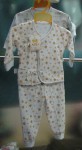
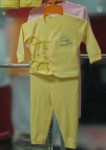
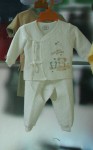
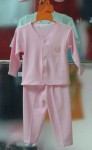
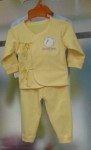
Baby Clothing Sets
Source bulk Baby Clothing Sets from vetted manufacturers and suppliers across Asia. Designed for importers, wholesale distributors, and brands seeking reliable OEM and private-label production. Secure competitive pricing and strict compliance for your infant apparel supply chain.
Sourcing baby clothing sets in volume requires balancing soft-touch materials with rigorous safety compliance and tight cost controls. Because these sets involve multiple components—often utilizing different base fabrics, trims, and hardware—maintaining color consistency and dimensional stability across the entire SKU is a primary manufacturing challenge.
Material Specifications and Fabric Selection
The foundation of any infant apparel set is the fabric. Buyers must specify exact yarn compositions, fabric weights (GSM), and dye standards. Infant skin is highly permeable, meaning chemical safety is just as critical as physical softness.
When specifying materials to your factory, clarity is essential. Vague requests for "soft cotton" result in inconsistent batches.
| Fabric Type | Typical GSM | Key Characteristics |
|---|---|---|
| 100% Combed Cotton | 160 - 200 | High breathability, standard for standard infant wear, prone to slight shrinkage |
| Bamboo / Spandex (95/5) | 180 - 220 | Premium stretch, extreme softness, requires careful temperature control during dyeing |
| Cotton / Poly Blends (CVC) | 150 - 190 | Cost-effective, higher durability, less ideal for direct skin contact in newborns |
Beyond the base material, all dyes must be specified as Azo-free. If you are targeting premium markets, requiring Oeko-Tex Standard 100 Class 1 certification at the fabric level is a standard practice.
Struggling to find factories that meet strict chemical and physical safety standards? Let us connect you with vetted infant apparel manufacturers.
Talk to our teamManufacturing Tolerances and Quality Control
Producing a multi-piece set introduces complexities on the factory floor. A common defect is "shade variation" where the top and bottom of a set do not perfectly match, often because the factory sourced the rib-knit trim from a different dye lot than the main body fabric.
Executing robust Quality Control & Inspection is non-negotiable for baby clothing. Inspectors must focus on both aesthetic consistency and safety hazards.
Critical In-Line and Pre-Shipment Checks
Essential Factory Floor Verifications
- Snap Fastener Pull Test: Must withstand 90 Newtons of force for 10 seconds to prevent choking hazards.
- Needle Detection: 100% of garments must pass through a calibrated metal/needle detector before final packing.
- Seam Strength and Flatlock Stitching: Seams must be flat and secure to prevent skin irritation and unraveling.
- Dimensional Stability: Wash testing to ensure tops and bottoms shrink at the exact same rate.
- Color Matching (Delta E): Verifying trim, main fabric, and accessories match under standardized lighting.
Compliance and Regulatory Testing
Infant apparel is one of the most heavily regulated product categories globally. Depending on your import market, your supplier must be capable of passing stringent third-party tests.
For the US market, CPSIA compliance is mandatory, focusing heavily on lead content in surface coatings (like painted snaps or zippers) and phthalates in screen prints. In the EU, REACH regulations dictate strict limits on restricted substances. Engaging professional Compliance & Testing partners early in the sampling phase prevents costly customs rejections later.
MOQs, Pricing, and Lead Times
Factory minimums and pricing structures for baby clothing sets depend heavily on whether you are buying off-the-shelf designs or utilizing OEM/ODM Services for custom patterns and exclusive prints.
Because sets require more labor (cutting and sewing multiple pieces) and coordinated packaging, CM (Cut and Make) costs are naturally higher than single garments.
Custom prints (rotary screen or digital printing) will drive up MOQs significantly because the fabric mills require minimum yardage to run the print rollers. If you need to keep MOQs low, utilize solid colors with localized chest prints or embroidery.
Need to negotiate better MOQs or consolidate shipments from multiple apparel suppliers? We can manage your complete supply chain.
Get a free consultationFrequently Asked Questions
Successfully importing baby clothing sets at scale requires moving beyond basic price negotiations. The true cost of sourcing lies in managing fabric safety, enforcing strict physical tolerances on the factory floor, and ensuring seamless compliance with international regulations. Partnering with experienced professionals ensures these critical details are handled before production even begins.
Get Sourcing Help for Baby Clothing Sets
Tell us your requirements and our experts will connect you with verified manufacturers.