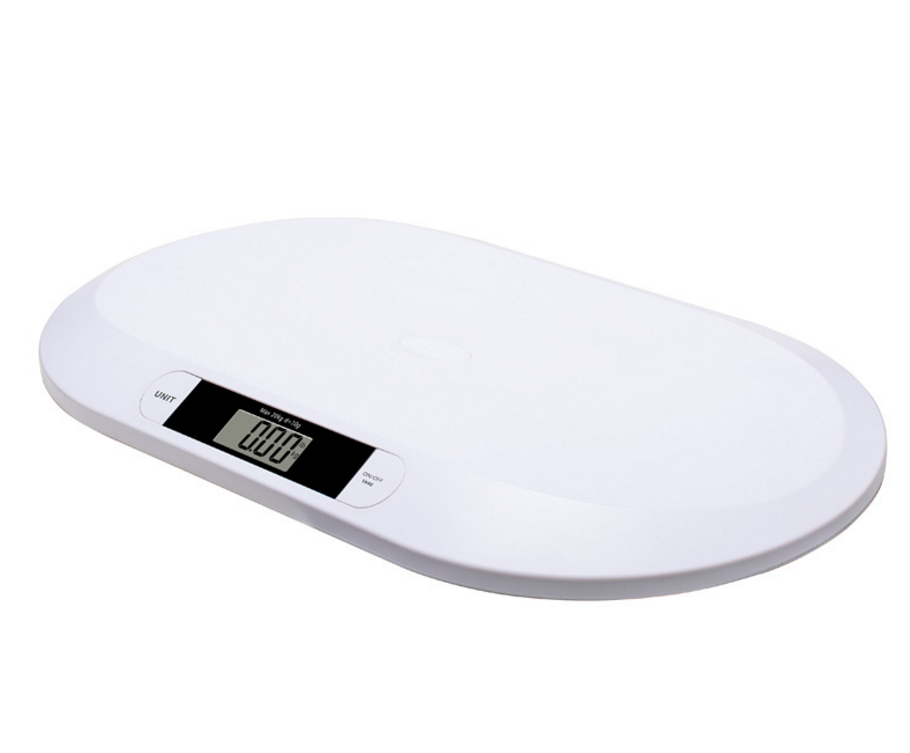
Baby Appliances
Source high-quality wholesale baby appliances directly from vetted manufacturers. Designed for importers, distributors, and brands seeking reliable OEM and ODM production, our network delivers compliant, market-ready electrical baby products with rigorous quality control at competitive bulk pricing.
Sourcing electrical appliances for the infant care market requires balancing two distinct regulatory worlds: household electronics and food-contact baby products. Whether you are developing a smart formula dispenser, a high-volume line of steam sterilizers, or multifunctional baby food makers, the margin for error in manufacturing is zero. Success depends on selecting factories that understand precision heating, reliable PCB assembly, and strict material traceability.
Core Specifications & Material Engineering
In baby appliances, material selection is as critical as electrical engineering. Because these devices routinely heat water, milk, or food, the plastics and components must withstand repeated thermal cycling without degrading or leaching harmful chemicals.
When specifying your product with a manufacturer, ensure the Bill of Materials (BOM) explicitly covers the following:
Critical BOM Specifications for Baby Appliances
- Food-Contact Plastics: Specify Tritan (copolyester) or high-grade Polypropylene (PP) for steam baskets, bottles, and water tanks. Must be explicitly certified BPA-free and phthalate-free.
- Heating Elements: Require PTC (Positive Temperature Coefficient) ceramic heaters for consistent, self-regulating heat, or medical-grade 316 stainless steel heating plates.
- Thermal Sensors: NTC thermistors must be specified with tight tolerances (e.g., ±0.5°C) to prevent scalding or nutrient destruction in breast milk.
- Seals and Gaskets: Only platinum-cured, food-grade silicone should be used for waterproofing and steam containment.
- Dry-Boil Protection: A mandatory hardware-level thermal fuse must be integrated to cut power if the water tank runs dry.
Manufacturing Vulnerabilities & Quality Control
The primary failure points in baby appliances usually stem from inconsistent assembly or inadequate testing on the factory floor. For instance, poor ultrasonic welding on water reservoirs leads to slow leaks, which can subsequently short out the internal PCB. Similarly, if a factory skips comprehensive aging tests on blender motors, field failure rates will spike within the first three months of use.
To mitigate these risks, robust Quality Control & Inspection protocols must be implemented at the factory level. This includes verifying thermostat calibration across multiple temperature bands, conducting high-voltage (Hi-Pot) tests to ensure electrical insulation, and performing drop tests to validate casing durability under real-world conditions.
Need help establishing rigorous testing protocols for your baby appliance production line? Let's discuss your QA requirements.
Talk to our teamNavigating Regulatory Compliance
Baby appliances face a dual burden of compliance: they must meet the stringent electrical safety standards of standard home appliances, plus the chemical and material safety standards required for infant products. Failing to secure the correct test reports from accredited third-party labs will result in customs seizures or retailer rejection.
| Target Market | Electrical & Safety Standards | Material & Chemical Standards |
|---|---|---|
| United States | UL (Safety), FCC (EMC for smart devices) | FDA 21 CFR (Food Contact), CPSIA (Lead/Phthalates) |
| European Union | CE (LVD & EMC Directives) | LFGB (Food Contact), RoHS, REACH |
| United Kingdom | UKCA (Equivalent to CE) | UK RoHS, REACH equivalent |
Partnering with a sourcing team that understands Compliance & Testing ensures your products are engineered to pass these standards from the initial prototyping phase, rather than failing expensive lab tests post-production.
Production Realities: MOQs, Pricing, and Lead Times
The manufacturing hub for small household and baby appliances is heavily concentrated in Guangdong province, China—specifically Zhongshan (known for heating elements and motors) and Shenzhen (for smart/IoT integrated devices).
When engaging these factories for OEM/ODM Services, buyers need to align their expectations with factory realities. Tooling for a completely custom baby food maker can take 45 to 60 days before a golden sample is even produced.
If you are modifying an existing factory design (e.g., upgrading the PCB for a digital display or changing the plastic colorways), MOQs generally hover around 1,500 to 2,000 units. For entirely new product development requiring custom injection molds, factories will expect either a higher volume commitment (often over 5,000 units) or upfront payment of Non-Recurring Engineering (NRE) tooling costs.
Always conduct thorough Factory Audits before placing a deposit to ensure the supplier actually owns the molds they are showing you, rather than just acting as a trading company for another manufacturer.
Ready to scale your baby appliance line? We can help you identify capable factories and negotiate favorable MOQs.
Get a free consultationFrequently Asked Questions
Successful sourcing in the baby appliance category is not about finding the cheapest unit price; it is about finding a manufacturing partner with strict internal quality controls and a deep understanding of infant safety standards. By focusing on material traceability and rigorous pre-shipment inspections, you protect both your brand's reputation and your end consumers.
Get Sourcing Help for Baby Appliances
Tell us your requirements and our experts will connect you with verified manufacturers.