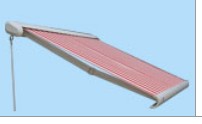
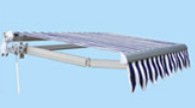
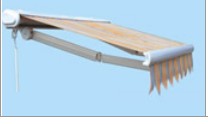
Awnings
Source high-quality awnings from vetted suppliers and manufacturers across Asia. Designed for importers, wholesalers, and outdoor living brands seeking reliable OEM and private-label production. Secure bulk pricing on durable, weather-resistant shade solutions built to your exact specifications.
Sourcing awnings at scale requires a precise balance of structural engineering and textile durability. As a bulk buyer, your primary challenge is ensuring that the factories you partner with can consistently deliver on both fronts. A failure in a frame’s load-bearing capacity or a canopy’s UV resistance directly impacts product lifespan and your brand's reputation. Navigating the manufacturer landscape means looking past surface aesthetics to evaluate aluminum extrusion grades, fabric dyeing processes, and motor reliability.
Critical Specifications and Materials
The core components of any awning—the frame, the fabric, and the retraction mechanism—dictate its market positioning and longevity. When negotiating with suppliers, specifying the exact material grades is non-negotiable.
Frame Construction
Most high-quality residential and commercial awnings utilize aluminum frames due to the optimal strength-to-weight ratio.
- Alloy Grade: Specify 6063-T5 or 6061-T6 aluminum. Lower-grade alloys are prone to bending under wind loads.
- Surface Treatment: Powder coating is standard, but the thickness matters. Specify a minimum of 60 to 80 microns to prevent early corrosion, especially in coastal markets.
- Hardware: All bolts, nuts, and connection pins must be 304 or 316 stainless steel. Galvanized steel hardware will rust rapidly in outdoor environments, leading to mechanism failure.
Canopy Fabrics
The fabric is the most visible component and the most susceptible to environmental degradation. Factories typically offer three main tiers of canopy material:
| Fabric Type | UV Resistance | Color Fastness | Typical Application |
|---|---|---|---|
| Solution-Dyed Acrylic | Excellent | 10+ Years | Premium / Commercial |
| PU-Coated Polyester | Moderate | 2 to 3 Years | Value / Promotional |
| PVC-Coated Fabric | High | 5+ Years | Heavy-Duty Commercial |
When utilizing OEM/ODM Services to develop a custom line, solution-dyed acrylic is generally the recommended standard for premium markets, as the color is integrated into the fiber itself rather than painted on the surface.
Ensure your awning shipments meet strict structural and textile standards before leaving the factory.
Talk to our teamManufacturing Tolerances and Quality Control
Awning production involves metal fabrication, textile sewing, and electrical assembly (for motorized units). Defects often occur at the intersection of these processes. Implementing stringent Quality Control & Inspection protocols is vital to catching these issues on the factory floor.
Key Pre-Shipment Inspection Points
- Arm Tension: Verify the dual-cable or chain-link tension systems in lateral arms operate smoothly without binding.
- Fabric Pitch: Ensure the pitch adjustment mechanism holds its set angle under simulated wind loads.
- Seam Integrity: Check that acrylic fabrics are sewn using PTFE (Teflon) thread or ultrasonic welding to prevent seam rot.
- Motor Calibration: For motorized units, test the internal limit switches to ensure the awning stops precisely at fully open and closed positions.
- Coating Adhesion: Perform cross-hatch adhesion tests on the powder-coated aluminum extrusions.
Sourcing Mechanics: MOQs, Pricing, and Lead Times
The awning supply chain is heavily influenced by seasonality and the physical bulk of the product. Understanding standard operational metrics helps in planning your procurement cycle.
Pricing is highly volatile based on aluminum index prices and the chosen fabric tier. Furthermore, because awnings are oversized items, freight efficiency is a major cost driver. Packaging must be optimized to maximize container space while protecting the aluminum housings from crushing. Conducting thorough Factory Audits prior to placing volume orders ensures your chosen supplier has the facility capacity and packaging expertise to handle oversized goods.
Navigating MOQ negotiations and securing favorable terms with top-tier shade manufacturers?
Get a free consultationFrequently Asked Questions
Successfully sourcing awnings requires looking beyond the showroom sample and interrogating the underlying bill of materials. By specifying exact alloy grades, fabric dyeing methods, and motor certifications, you protect your margins from post-sale warranty claims. If you require on-the-ground support to vet suppliers, negotiate terms, or manage quality control, our sourcing experts are available to streamline your procurement process.
Get Sourcing Help for Awnings
Tell us your requirements and our experts will connect you with verified manufacturers.