Automotive Plastic Products
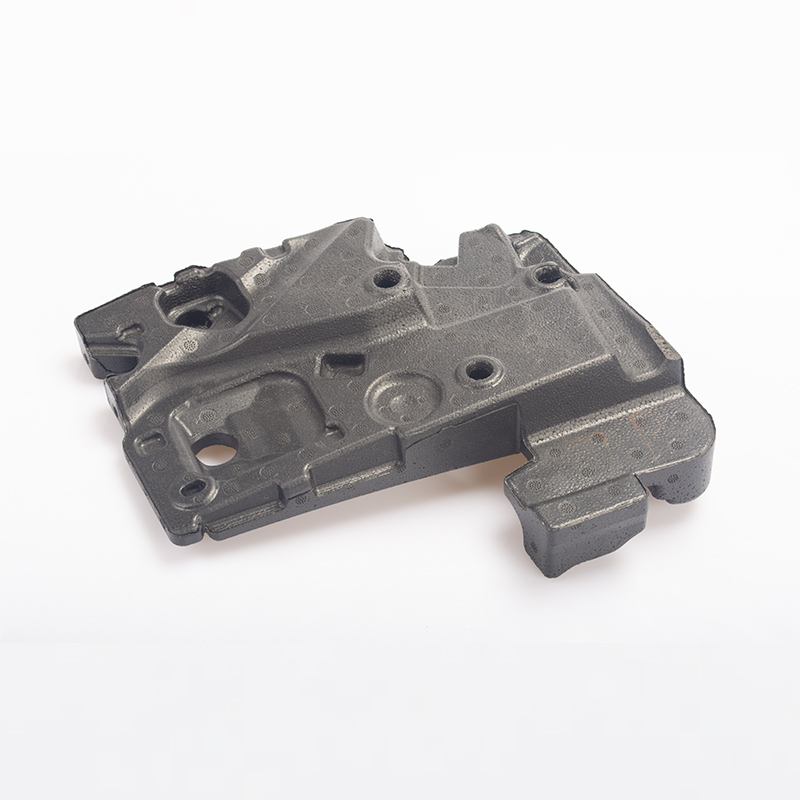
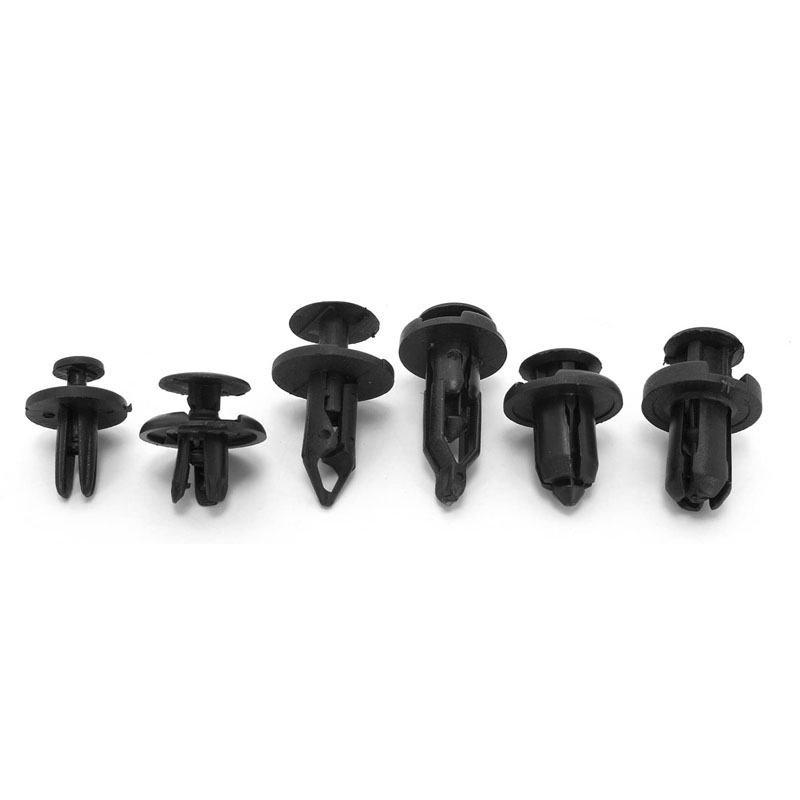
Source bulk Automotive Plastic Products from vetted suppliers and manufacturers. Designed for importers, distributors, and brands requiring OEM/ODM production, our network delivers reliable, high-volume manufacturing. Secure competitive wholesale pricing on precision-molded automotive components built to strict industry standards.
Sourcing automotive plastic components at scale requires balancing unit economics with uncompromising precision. Whether you are procuring interior trim panels, under-hood structural components, or exterior housings, the margin for error is essentially zero. Successful procurement in this category hinges on selecting the right polymer blends, ensuring rigorous mold design, and verifying that the production facility adheres to stringent automotive quality management systems.
Material Selection and Engineering Plastics
The automotive industry relies heavily on specialized polymer formulations to meet thermal, chemical, and impact-resistance requirements. Specifying the exact resin grade—often with specific fillers like glass fiber (GF) or talc—is the first critical step in your sourcing process.
| Material | Typical Auto Application | Key Properties |
|---|---|---|
| Polypropylene (PP) | Bumpers, interior trim, battery cases | High chemical resistance, lightweight, cost-effective |
| ABS | Dashboards, wheel covers, grilles | Excellent impact resistance, superior surface finish |
| PA66 (Nylon) + GF | Under-hood components, intake manifolds | High thermal stability, exceptional mechanical strength |
| PC/ABS Blend | Center consoles, instrument panels | High impact strength, dimensional stability, UV resistance |
When engaging a factory for OEM/ODM Services, you must specify not just the base polymer, but the exact material data sheet (MDS) requirements, including melt flow index (MFI), shrinkage rates, and required additives for UV stabilization or flame retardancy.
Need a manufacturer with proven automotive credentials and precision tooling capabilities?
Talk to our teamTooling Standards and Injection Molding Precision
In automotive plastics, the quality of the final part is entirely dependent on the quality of the mold. High-volume automotive runs typically require SPI Class 101 or 102 molds, constructed from hardened steel (such as H13 or S136) to withstand hundreds of thousands of cycles without degrading.
When evaluating a manufacturer's injection molding capabilities, pay close attention to machine tonnage and process controls. Under-hood components often require high-tonnage presses (800T to 3000T) to handle large, complex molds. Furthermore, the factory must demonstrate tight control over injection pressure, holding time, and cooling rates to prevent common defects such as warpage, sink marks, or short shots.
Quality Control and Automotive Compliance
Automotive supply chains operate on a zero-defect mentality. Sourcing from a facility that lacks IATF 16949 certification introduces unacceptable risk. Before committing to tooling, conducting rigorous Factory Audits is essential to verify the supplier's quality management system, traceability protocols, and testing capabilities.
For custom components, the Production Part Approval Process (PPAP) is the industry standard for verifying that a supplier can consistently meet design specifications at production rates.
Essential PPAP Elements to Verify
- Design Records and Engineering Change Documents
- DFMEA (Design Failure Mode and Effects Analysis)
- PFMEA (Process Failure Mode and Effects Analysis)
- Control Plan and Dimensional Results from T1/T2 samples
- Material Certifications and Performance Test Results
Implementing comprehensive Quality Control & Inspection protocols—including First Article Inspection (FAI) and in-process checks—ensures that dimensional tolerances and surface finishes remain consistent throughout the production run.
Pricing Structures, MOQs, and Lead Times
The financial architecture of sourcing automotive plastics is heavily front-loaded due to tooling costs. Mold development represents a significant capital expenditure, but investing in high-quality tooling drastically reduces the per-unit cost over the product lifecycle.
Ensure your manufacturing contract explicitly states that you own the mold, and clarify the factory's policy on mold maintenance and replacement guarantees.
Optimize your tooling investments and secure reliable unit pricing for your automotive plastics run.
Get a free consultationFrequently Asked Questions
Successfully sourcing automotive plastic products requires treating your manufacturer as a strategic partner rather than a transactional vendor. By establishing clear tooling ownership, demanding rigorous PPAP validation, and partnering with IATF-certified facilities, you can secure reliable, high-quality components that protect your brand and your bottom line.
Get Sourcing Help for Automotive Plastic Products
Tell us your requirements and our experts will connect you with verified manufacturers.