Automation Instruments
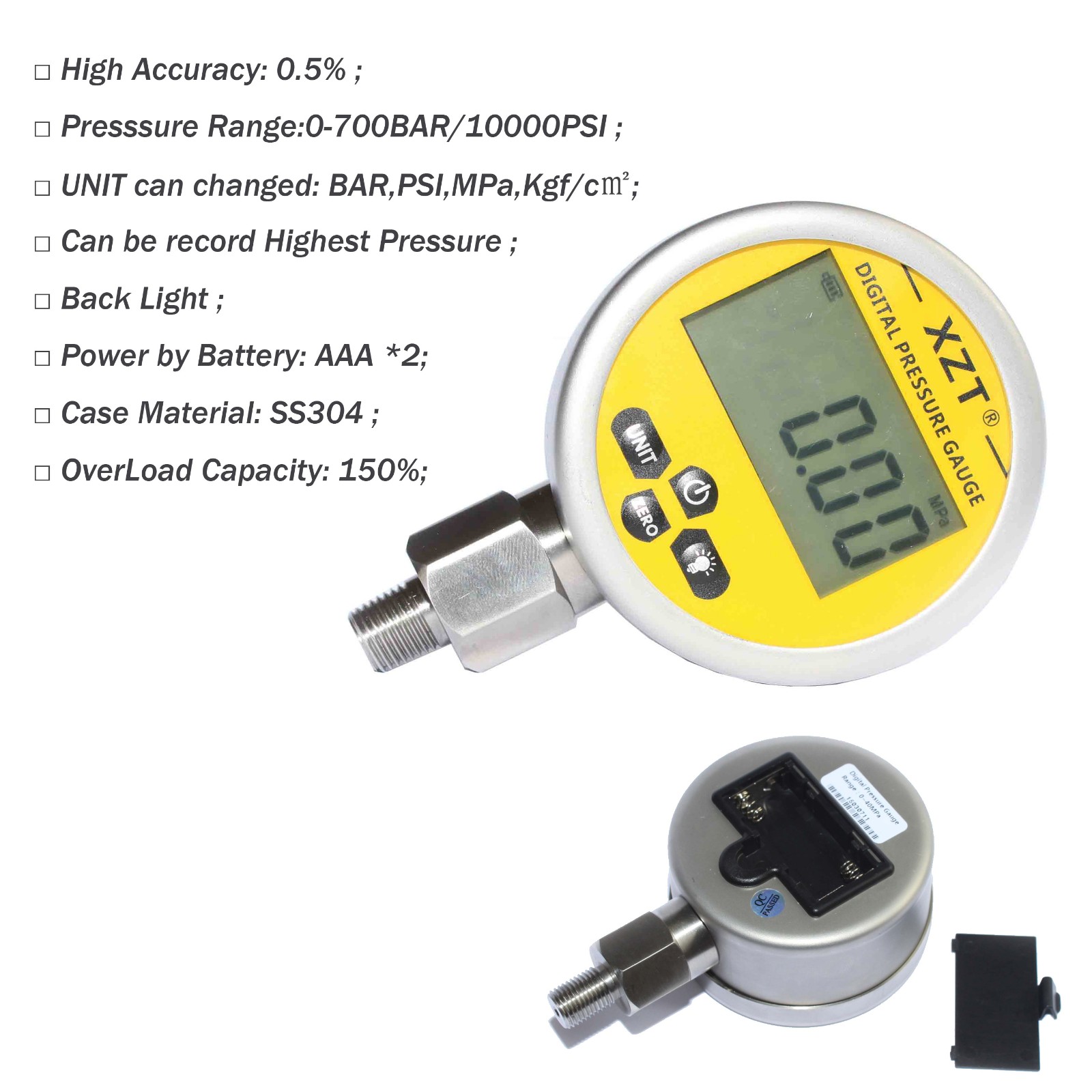
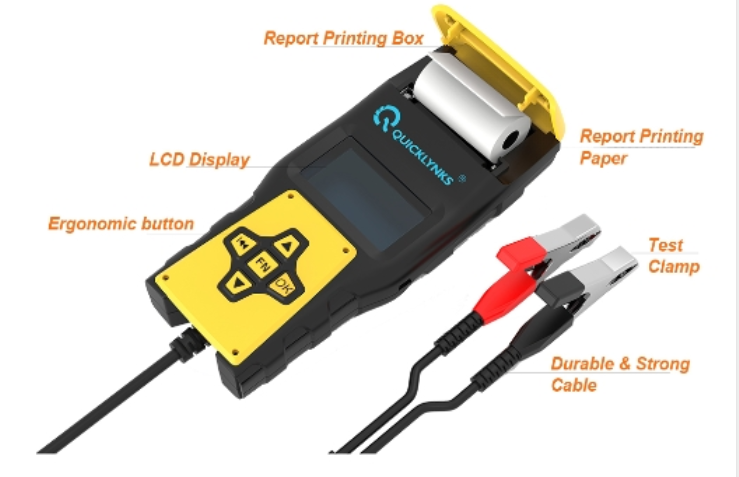
Source high-precision automation instruments in bulk from vetted Chinese manufacturers and suppliers. Designed for importers, industrial wholesalers, and brands seeking OEM/ODM production, our verified factory network ensures reliable process control components for your supply chain at competitive wholesale prices.
Procuring automation instruments at scale demands a rigorous approach to supplier capability and component reliability. Whether you are importing pressure transmitters, industrial sensors, or programmable controllers, the margin for error is non-existent. A single faulty batch can compromise end-user production lines, making strict supplier vetting and technical oversight essential.
Defining Technical Specifications for Industrial Automation
When negotiating with manufacturers, vague specifications lead to inconsistent quality. You must strictly define electrical, mechanical, and communication parameters before production begins.
| Specification Category | Standard Industrial | Harsh Environment / Process Control |
|---|---|---|
| Enclosure Rating | IP65 to IP67 | IP68, NEMA 4X, ATEX Certified |
| Housing Material | ABS Plastic, Aluminum | 316L Stainless Steel, Hastelloy |
| Communication Protocols | 4-20mA, Modbus RTU | HART, PROFINET, Foundation Fieldbus |
| Operating Temperature | -20°C to 85°C | -40°C to 125°C (or higher) |
Sourcing highly specified industrial components requires deep technical vetting. Let us connect you with manufacturers proven to meet strict international standards.
Talk to our teamQuality Control and Factory Validation
The Chinese manufacturing landscape for automation equipment is concentrated in hubs like Shenzhen, Wenzhou, and Suzhou. While capacity is high, quality management systems vary drastically. Relying solely on a golden sample is a major risk; true reliability is proven on the assembly line.
Before committing to high-volume orders, robust Factory Audits are mandatory. Assess the supplier's SMT (Surface-Mount Technology) lines, their cleanroom environments for sensor assembly, and their calibration equipment.
Critical In-Process and Pre-Shipment Checks
- Burn-in testing: Ensure units are subjected to elevated temperatures for 48 to 72 hours to catch early electronic failures.
- Calibration verification: Check that calibration equipment is traceable to national standards (e.g., NIST or NIM).
- EMC/EMI testing: Verify electromagnetic compatibility to ensure instruments will not suffer interference in noisy industrial environments.
- Ingress protection (IP) validation: Conduct water and dust chamber tests on randomly sampled production units.
Catching a calibration drift or a faulty seal after the goods have shipped is a costly mistake. Implementing third-party Quality Control & Inspection at the factory level ensures defects are rectified before container loading.
OEM and Customization Requirements
Many distributors and industrial brands require custom enclosures, proprietary firmware, or specific branding. When engaging in OEM/ODM Services, ensure the factory has an in-house R&D team capable of modifying PCB layouts or writing custom communication stacks without compromising the instrument's core accuracy. Always lock down the intellectual property, bill of materials (BOM), and tooling ownership in your manufacturing agreement.
Typical MOQs, Pricing Drivers, and Lead Times
Pricing for automation instruments is heavily dictated by the core sensor technology (e.g., silicon piezoresistive vs. capacitive), the microprocessor used, and the required certifications (CE, RoHS, ATEX).
Navigating component shortages and fluctuating material costs? We negotiate pricing and manage lead times directly with top-tier factories.
Get a free consultationFrequently Asked Questions
Successfully importing automation instruments is about managing risk at the component level. By strictly defining your BOM, validating factory testing capabilities, and maintaining relentless quality oversight, you can build a highly profitable and reliable supply chain. When you are ready to scale your procurement without compromising on precision, having an experienced sourcing partner on the ground makes all the difference.
Get Sourcing Help for Automation Instruments
Tell us your requirements and our experts will connect you with verified manufacturers.