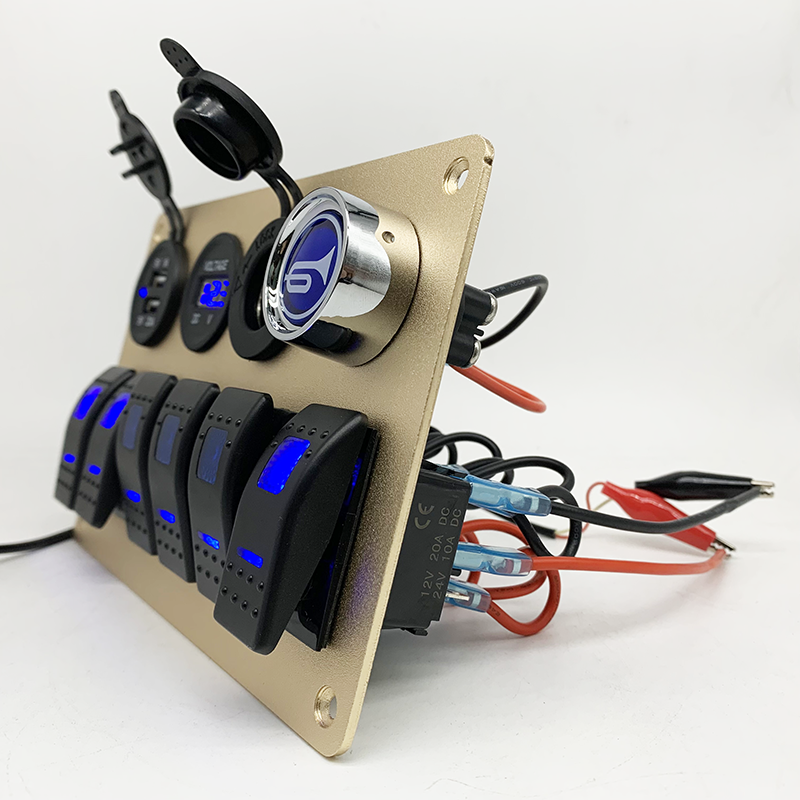
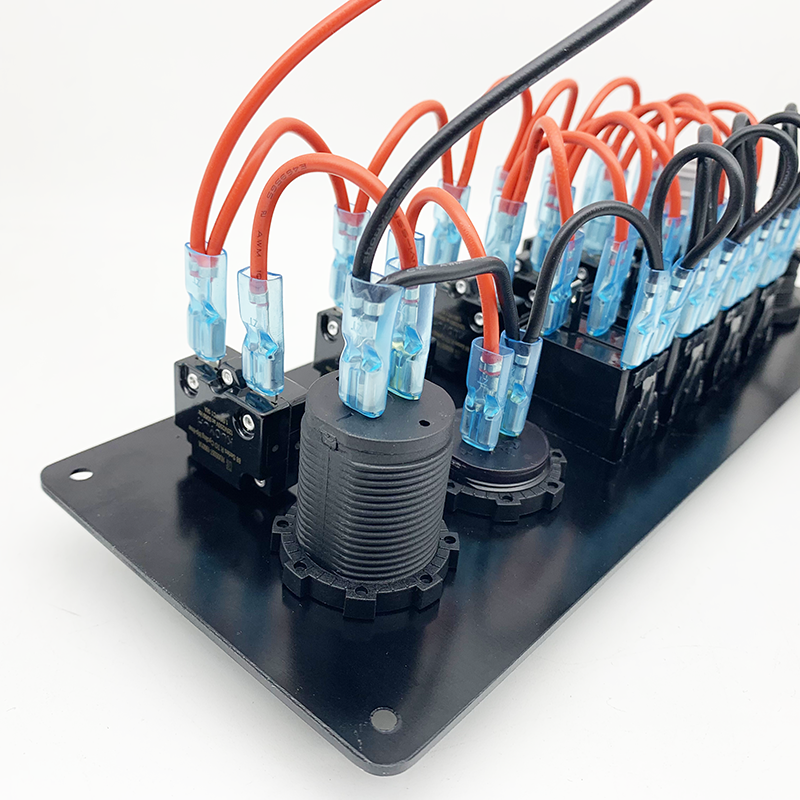
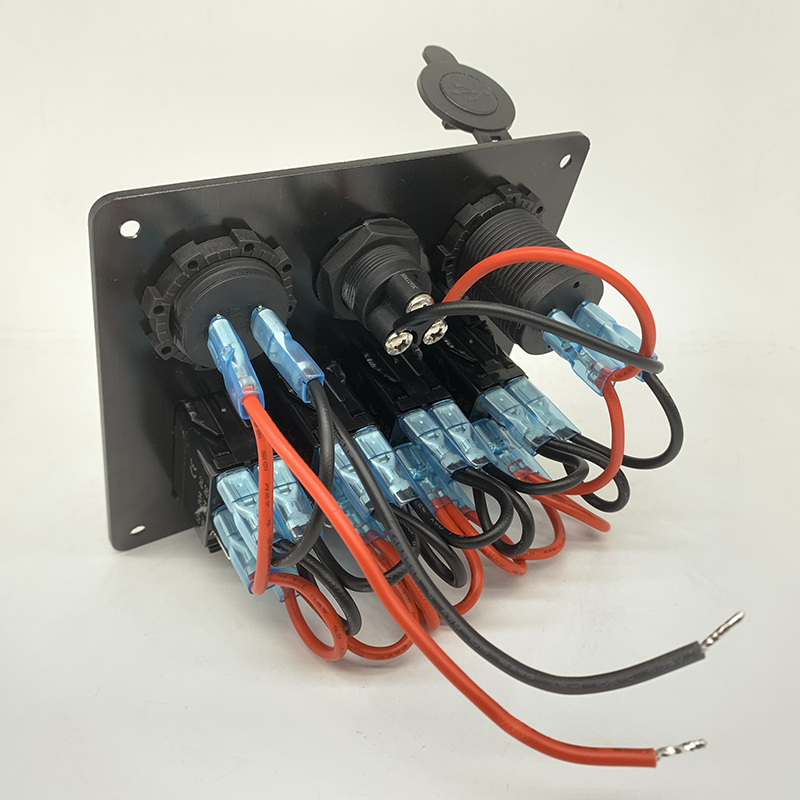
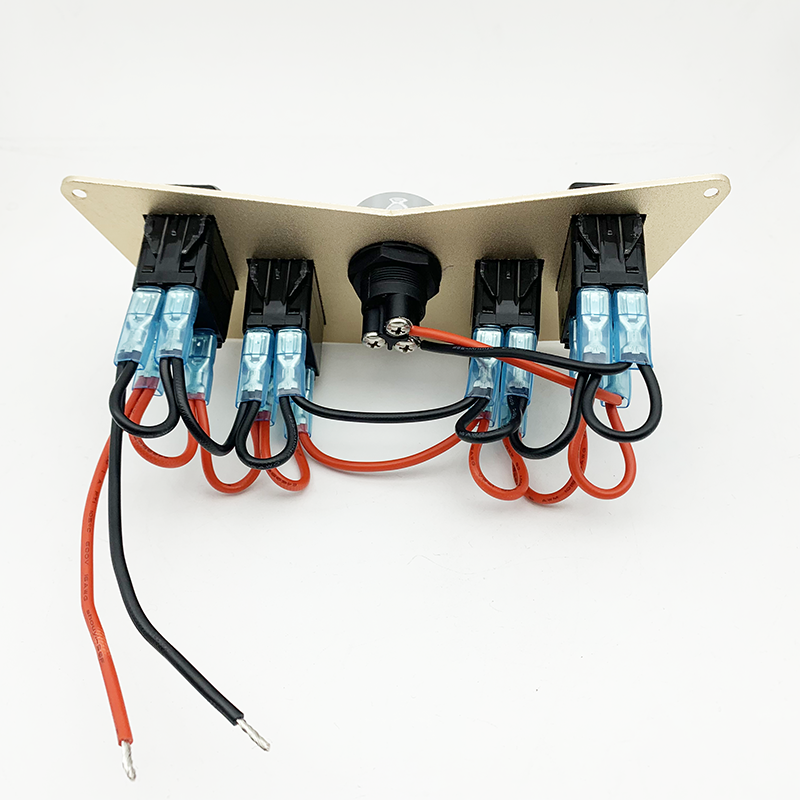
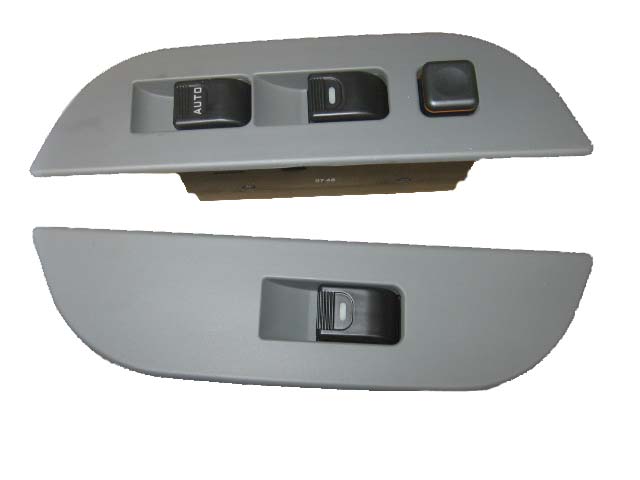
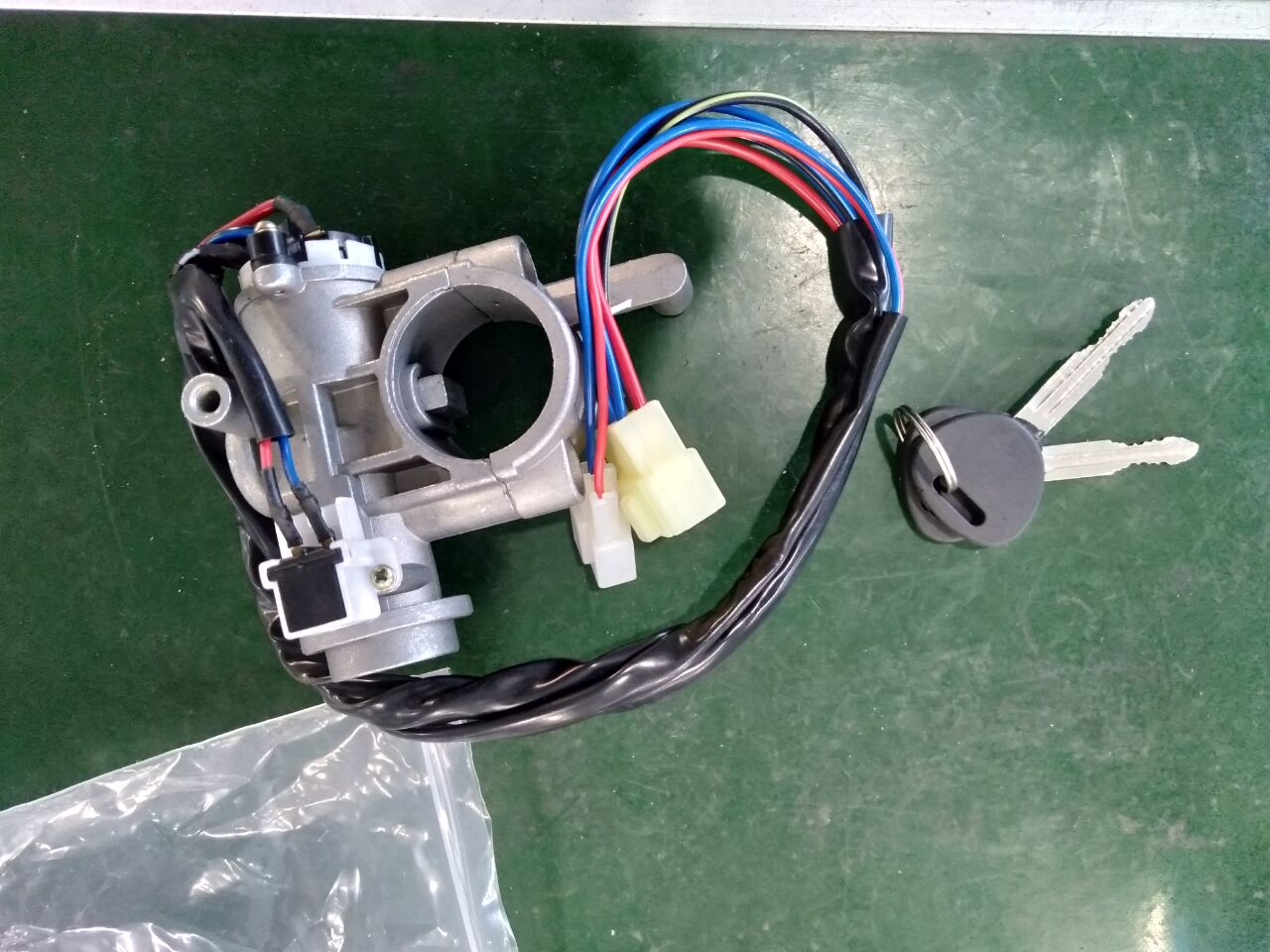
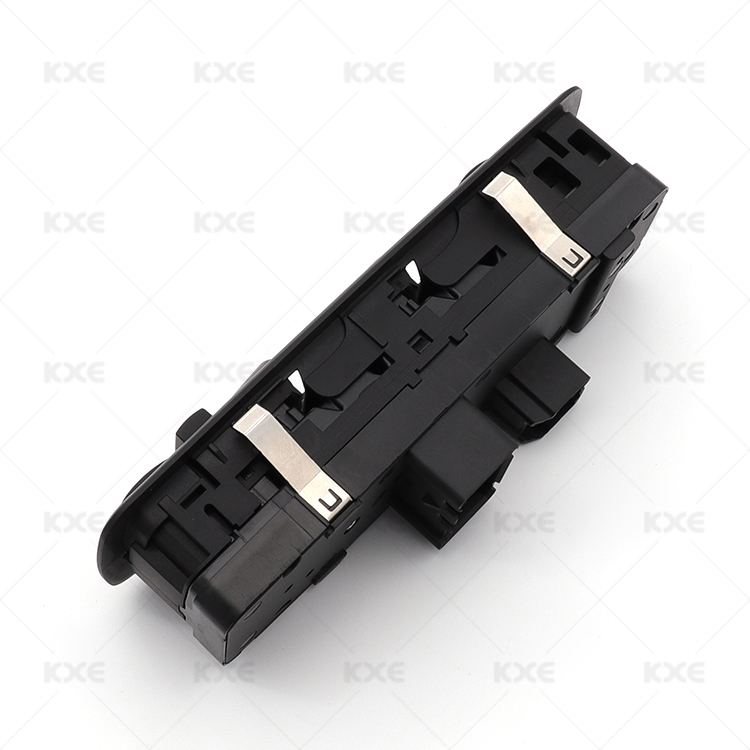
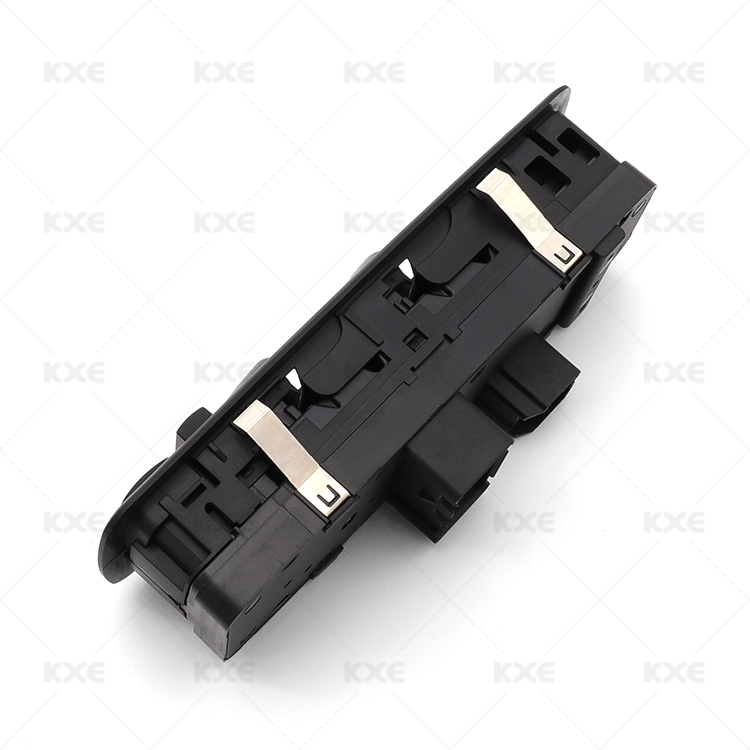
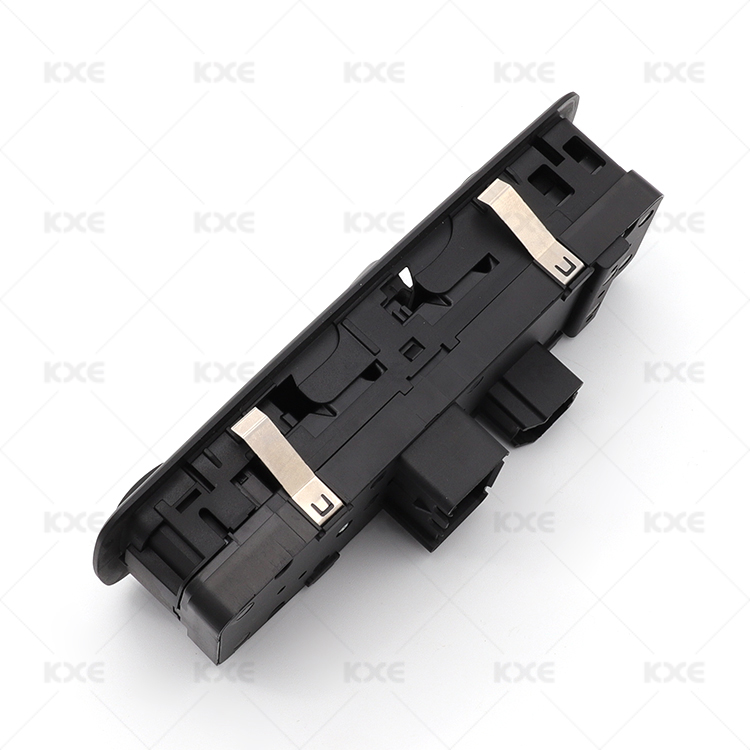
Auto Switches
Source high-quality Auto Switches from vetted suppliers and manufacturers in China and across Asia. Designed for automotive parts importers, distributors, and brands seeking reliable bulk procurement or custom OEM/ODM production. Partner with top-tier factories to secure competitive pricing and consistent quality at volume.
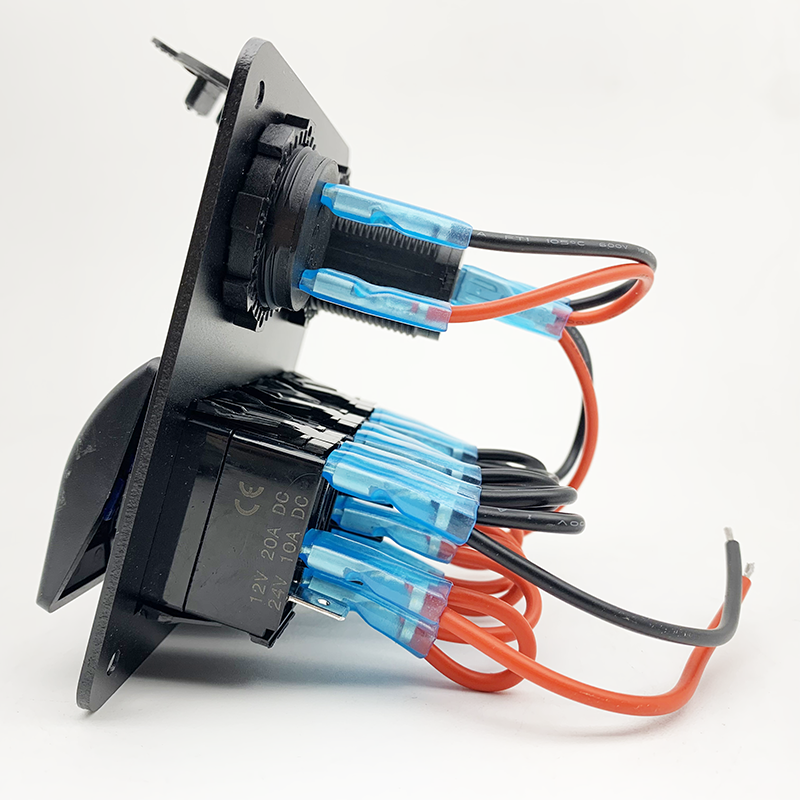
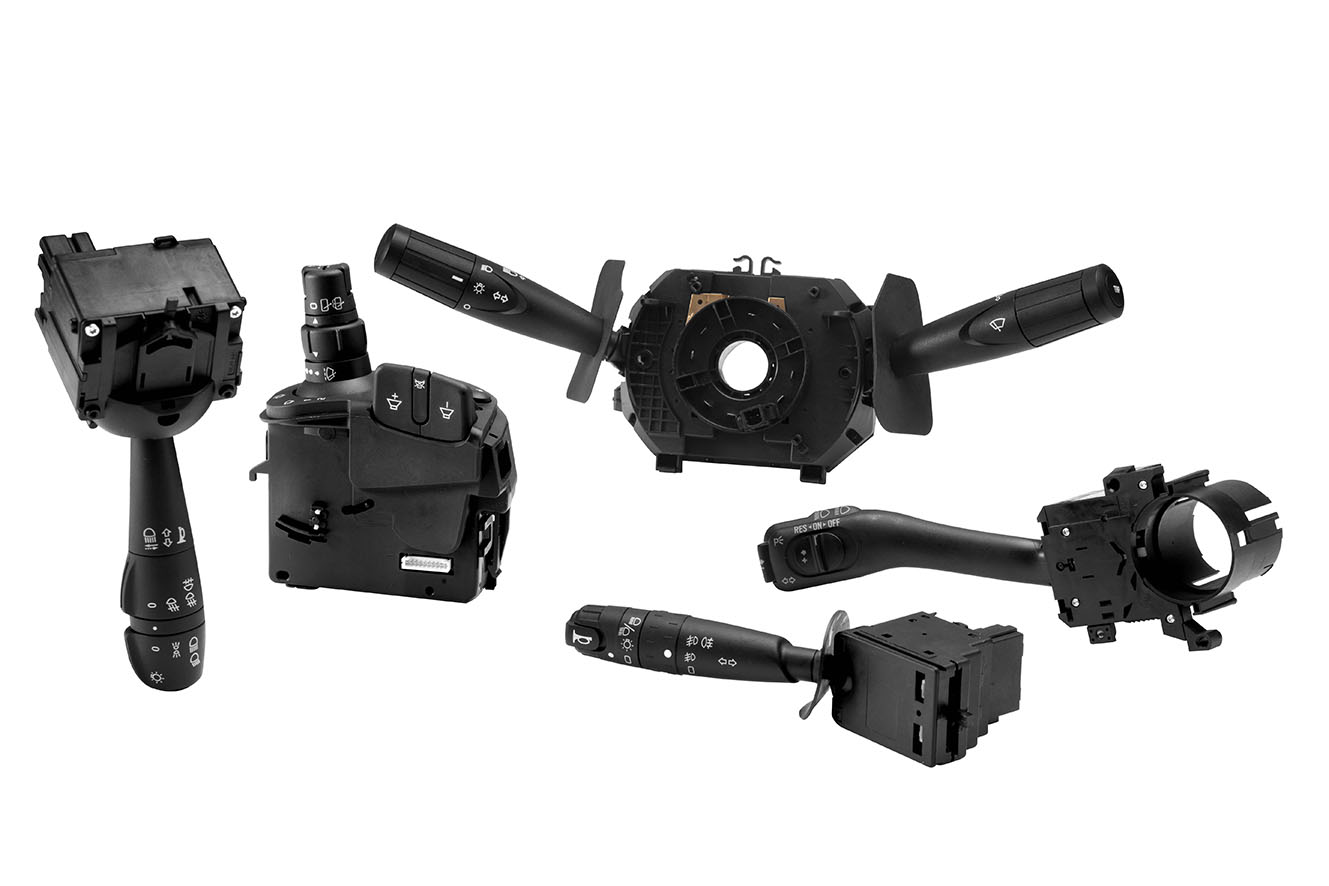
Sourcing automotive switches at scale requires balancing unit cost against strict reliability standards. A switch failure is rarely just an inconvenience; in automotive applications, it often becomes a safety hazard and a costly warranty liability. Whether you are procuring standard toggle and rocker switches for aftermarket distribution or developing custom panel switches for a specialized fleet, success depends on validating the manufacturer's component quality, assembly precision, and testing protocols before the first production run begins.
Critical Specifications and Component Quality
The lifespan and performance of an auto switch are dictated by its internal components. When evaluating a factory's technical capabilities, pay close attention to the materials used in the contacts, terminals, and housing.
| Contact Material | Conductivity | Arc Resistance | Typical Use Case |
|---|---|---|---|
| Brass / Standard Copper | Moderate | Low | Low-current interior accessories |
| Silver-Plated Copper | High | Moderate | Standard 12V/24V aftermarket replacements |
| Silver Alloy (AgNi / AgCdO) | Excellent | High | High-load OEM applications, power windows |
Beyond the contacts, the housing material must withstand automotive interior temperatures. PA66 (Nylon 66) reinforced with fiberglass is the industry standard for durability and heat resistance, whereas cheaper ABS plastics may warp under sustained dashboard heat. For exterior or off-road applications, ensure the manufacturer specifies genuine IP65 or IP67 sealing, utilizing high-grade silicone gaskets rather than cheap rubber that degrades under UV exposure.
Evaluating supplier specifications can be complex. Let us help you identify factories that meet your exact material and performance requirements.
Talk to our teamManufacturing and Quality Control Standards
The automotive industry operates on strict tolerances. A factory producing general electronics may not have the quality management systems required for automotive components. Look for manufacturers holding IATF 16949 certification, which is the baseline standard for automotive supply chains, emphasizing defect prevention and variation reduction.
Relying solely on a factory's self-reported quality is risky. Implementing robust Quality Control & Inspection protocols is essential to catch assembly errors before shipment.
Essential Inspection Checkpoints for Auto Switches
- Actuation force and tactile feedback consistency across the batch
- Voltage drop testing to ensure contact resistance remains within specified limits
- Dielectric strength testing to verify insulation between terminals
- Accelerated life-cycle testing (minimum 10,000 to 50,000 cycles depending on switch type)
- Verification of IP rating through water ingress testing for sealed switches
To ensure the factory actually possesses the testing equipment they claim, conducting thorough Factory Audits prior to issuing a purchase order is highly recommended. This verifies their in-house capabilities for lifecycle and environmental testing.
Customization and OEM/ODM Production
Many buyers require modifications beyond off-the-shelf designs. Whether you need custom laser-etched legends, specific LED illumination colors, or proprietary pinout configurations to match existing wiring harnesses, you need a factory experienced in OEM/ODM Services.
When developing a custom switch, the factory will need to create new injection molds for the actuators and potentially re-tool the stamping dies for the internal terminals. Ensure the supplier provides comprehensive CAD drawings and functional prototypes for approval before mass production begins.
Typical MOQs, Pricing, and Lead Times
Pricing for auto switches is highly dependent on the contact materials, internal complexity (e.g., double-pole double-throw vs. single-pole single-throw), and order volume.
Tooling costs for custom actuators or bezels typically range from a few hundred to a few thousand dollars, depending on mold complexity. Many factories will amortize or refund this tooling cost once your cumulative order volume reaches a specified threshold.
Ready to negotiate better terms? We manage the entire sourcing process, from factory shortlisting to final price negotiation and logistics.
Get a free consultationFrequently Asked Questions
Procuring auto switches at scale is a highly technical process where cutting corners on internal components inevitably leads to field failures. By demanding transparency in materials, verifying IATF 16949 compliance, and enforcing strict pre-shipment inspections, you can build a resilient and profitable supply chain. If you need experienced professionals on the ground to manage supplier vetting and quality control, our team is ready to assist.
Get Sourcing Help for Auto Switches
Tell us your requirements and our experts will connect you with verified manufacturers.