Auto Parking Conditioners
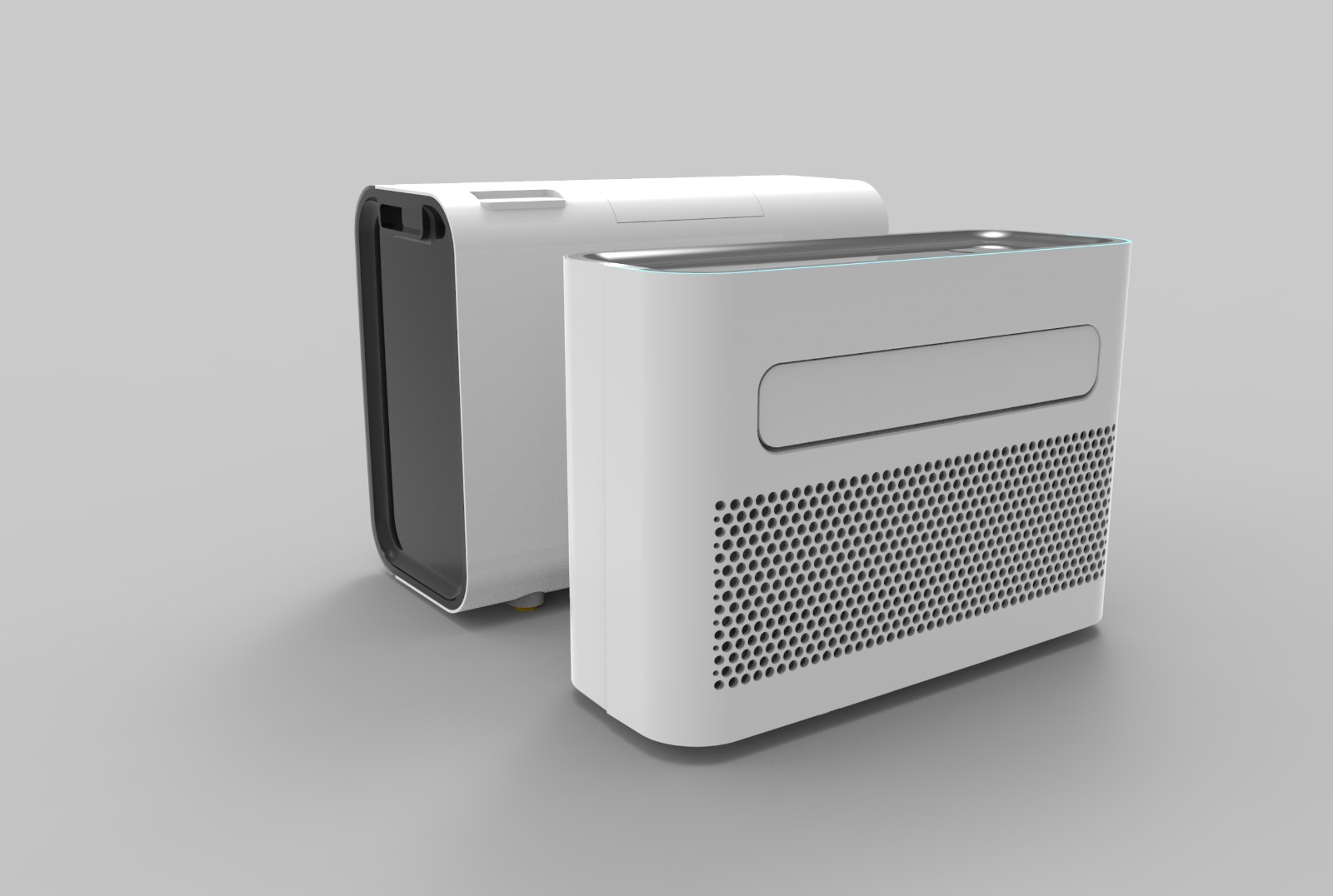
Source bulk auto parking conditioners directly from vetted manufacturers and wholesale suppliers. Designed for importers, distributors, and brands seeking OEM/ODM production, our catalog features robust 12V and 24V DC systems. Secure competitive pricing, reliable component quality, and scalable manufacturing for your commercial vehicle AC needs.
Sourcing auto parking conditioners at scale requires navigating a complex supply chain of DC compressor manufacturers, PCB designers, and assembly plants. Because these units operate in high-vibration environments and draw heavily on vehicle batteries while the engine is off, component failure rates can spike rapidly if you partner with a generic assembler rather than a specialized manufacturer.
For importers and distributors, success in this category depends on strict specification control, rigorous factory vetting, and a clear understanding of the trade-offs between cooling capacity and power efficiency.
Core Specifications and Component Selection
The performance of a parking air conditioner is dictated by its core components. When negotiating with suppliers, you must define the exact specifications rather than relying on off-the-shelf catalog claims.
- Compressor Type: The heart of the system. Scroll compressors offer better efficiency and lower noise compared to rotary compressors, but at a higher cost. Ensure the supplier uses reputable compressor brands and specify 12V or 24V DC inverter technology to manage battery draw.
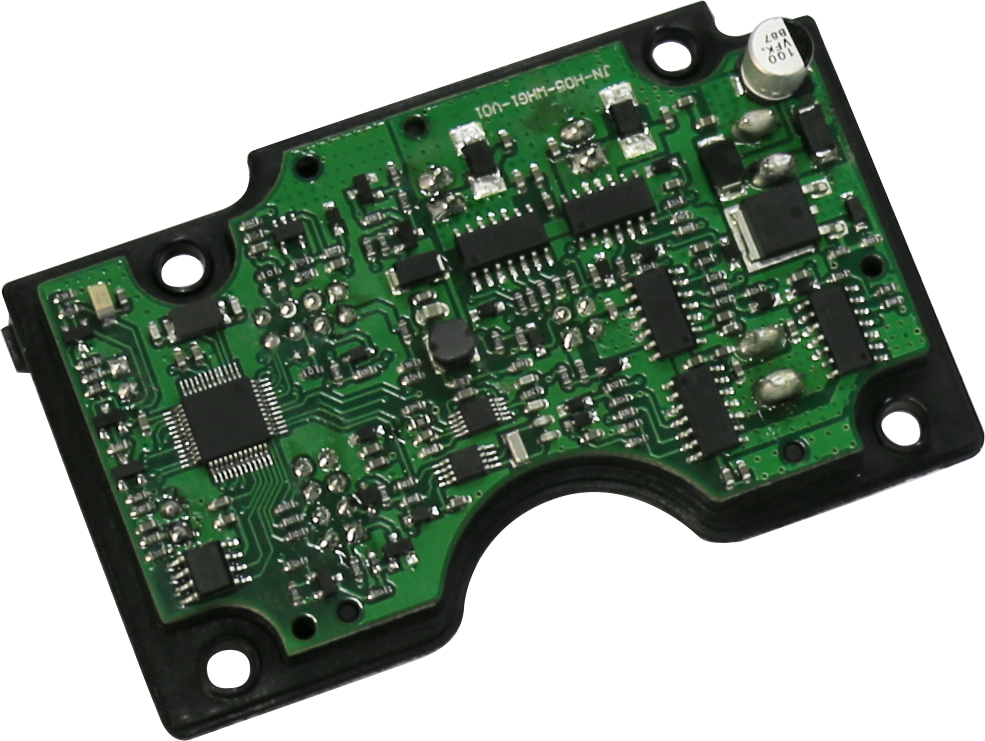
- Controller (PCB): The main board must manage low-voltage cutoffs to prevent draining the truck's starting battery. Look for dual-core controllers with automotive-grade components.
- Cooling Capacity vs. Power Consumption: A typical 24V system might draw 15 to 40 amps to deliver 2000W to 3000W (approx. 6800 to 10000 BTU) of cooling. Specify the required Energy Efficiency Ratio (EER) for your target market.
| Form Factor | Roof-Mounted (Integrated) | Back-Mounted (Split System) |
|---|---|---|
| Installation | Requires cutting or existing sunroof | Mounted to the rear cabin wall |
| Vibration Resistance | High (single unified chassis) | Moderate (exposed external lines) |
| Space Requirement | Zero interior cabin space taken | Takes up rear exterior space |
| Common Application | Heavy-duty trucks, RVs | Excavators, construction machinery |
Need help verifying a manufacturer's engineering capabilities and component sourcing?
Talk to our teamManufacturing Vulnerabilities and Quality Control
Many suppliers in major manufacturing hubs like Zhejiang and Guangdong function primarily as assembly workshops. The quality of the final unit is won or lost in how they handle integration and testing.
A thorough Factory Audit should evaluate the supplier's assembly line for the following critical failure points:
Critical Factory Floor Checks
- Brazing Quality: Check copper pipe joints. Poor brazing leads to slow refrigerant leaks over time.
- PCB Potting: Ensure control boards are fully potted (encapsulated in resin) to withstand automotive vibration and moisture.
- Vacuum Processing: Verify the duration and depth of the vacuum drawn on the system before refrigerant charging to prevent internal corrosion.
- End-of-Line Testing: Confirm that 100% of units undergo high/low-pressure testing, electrical safety checks, and vibration simulation.
Implementing strict Quality Control & Inspection protocols before shipment is non-negotiable. Defects like micro-leaks or faulty low-voltage sensors are expensive to rectify once the goods arrive in your destination market.
Customization and OEM/ODM Production
If you are building a brand, buying off-the-shelf units leaves you vulnerable to intense price competition. Developing customized units allows you to tailor the product to specific regional climates or vehicle types.
Through structured OEM/ODM Services, you can modify exterior casing molds for better aerodynamics, customize the digital control panels, or upgrade the wiring harnesses to meet specific regional safety standards (like E-mark for Europe or DOT compliance for North America).
Pricing, MOQs, and Lead Times
Pricing in this category is highly dependent on copper prices, compressor costs, and order volume. Because these units are bulky, shipping efficiency plays a massive role in your landed cost.
Shipping Pre-Charged Units
Shipping units pre-charged with R134a or R1234yf refrigerant classifies them as containing hazardous materials under certain freight regulations. Ensure your supplier provides the correct MSDS and that your freight forwarder is prepared for the specific handling requirements.
Optimize your sourcing strategy, from factory selection to landed cost analysis.
Get a free consultationFrequently Asked Questions
Successfully importing auto parking conditioners requires more than just finding a low price on a B2B directory. It demands technical oversight of the assembly process, strict component specification, and a robust quality control framework to ensure the units survive the harsh realities of commercial trucking.
Get Sourcing Help for Auto Parking Conditioners
Tell us your requirements and our experts will connect you with verified manufacturers.