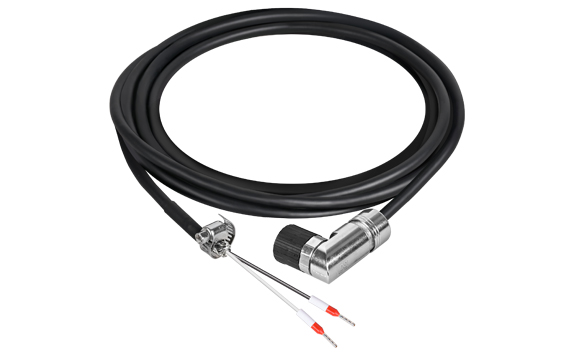
Auto Brake Cables
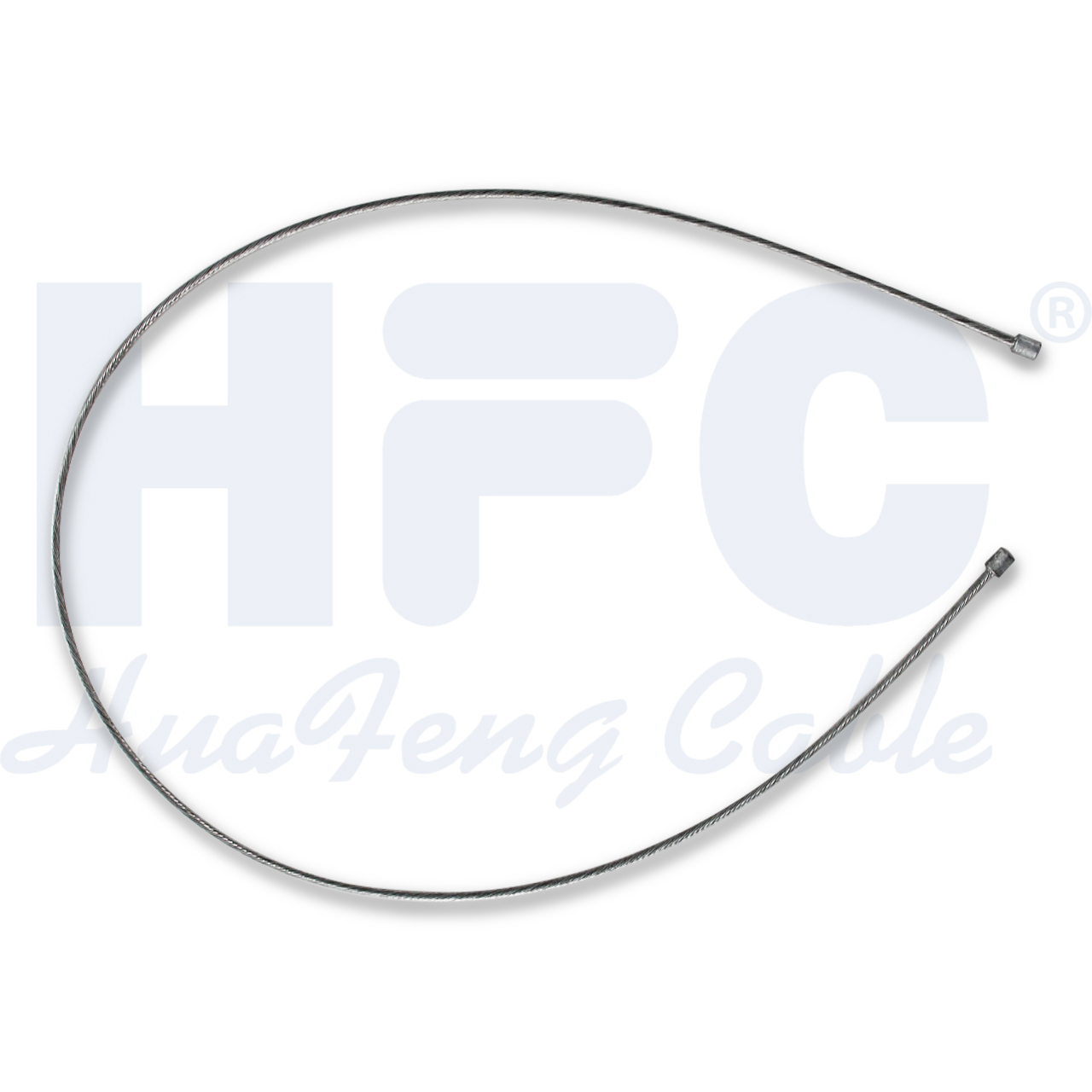
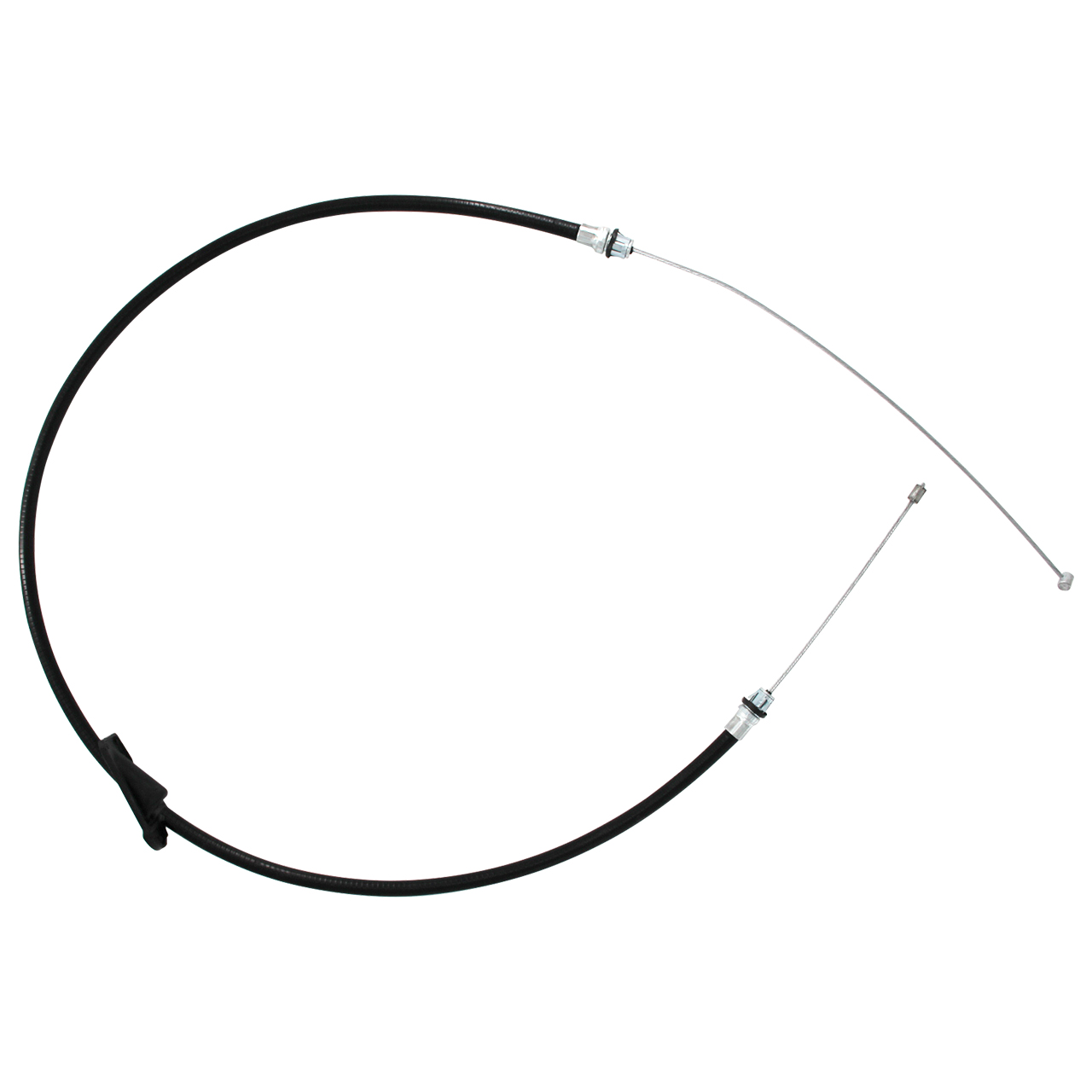
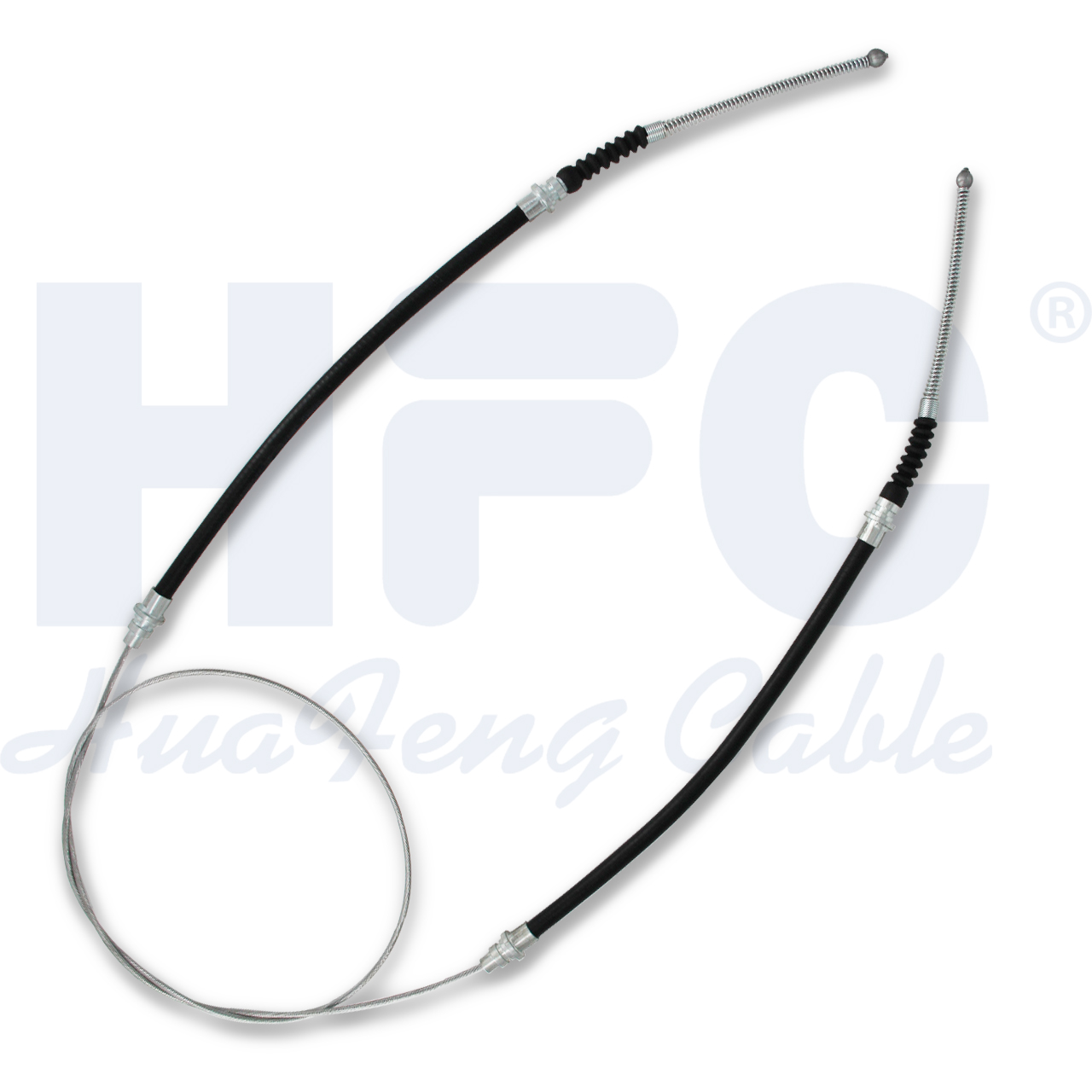
Source high-quality Auto Brake Cables from vetted suppliers and manufacturers across Asia. Designed for automotive parts importers, wholesale distributors, and brands requiring reliable OEM production, our network delivers precision-engineered cables built for durability and strict safety compliance in bulk volumes.
Sourcing automotive brake cables at scale requires navigating a highly fragmented supplier base while maintaining zero-defect tolerances. Because brake cables are critical safety components, balancing unit costs with strict performance requirements—such as tensile strength, corrosion resistance, and friction reduction—is the primary challenge for procurement teams.
Technical Specifications and Material Selection
The performance and longevity of an auto brake cable depend heavily on the materials specified for the inner wire, the conduit (outer casing), and the end fittings. Specifying the wrong material for the target market's climate can lead to premature failure via rust or casing degradation.
| Material Component | Standard Aftermarket | Premium / OEM Equivalent |
|---|---|---|
| Inner Wire | Galvanized Steel (1x19 or 7x7 strand) | Stainless Steel (SUS304/316) |
| Inner Liner | POM (Polyoxymethylene) | PTFE (Teflon) for ultra-low friction |
| Outer Casing | Standard PVC | HDPE or PA66 (Nylon) for high temp/wear |
| End Fittings | Zinc Die-Cast | Cold-Forged Steel with Anti-Rust Plating |
When negotiating with factories, explicitly define the stranding configuration and the coating thickness. A common cost-cutting tactic among lower-tier suppliers is reducing the strand count or using inferior recycled plastics for the outer casing, which drastically reduces the cable's flexibility and lifespan.
Need help verifying factory capabilities and securing reliable OEM production lines?
Talk to our teamManufacturing Processes and Quality Control
Quality is won or lost during the stranding of the inner wire and the die-casting of the end terminals. The pull-off strength of the end fitting is the most critical safety metric; if the terminal detaches under load, the brake fails.
To ensure consistent production quality, robust Quality Control & Inspection protocols must be implemented directly on the factory floor.
Critical Factory-Level QC Checkpoints
- Tensile Strength Testing: Ensuring end fittings withstand pull forces exceeding standard regulatory requirements (typically over 3000N, depending on vehicle class).
- Friction Testing: Measuring the sliding resistance between the inner wire and conduit to guarantee smooth operation.
- Salt Spray Testing: Verifying the corrosion resistance of exposed metal parts (minimum 72 to 96 hours depending on spec).
- High/Low Temperature Cycling: Testing the outer casing for cracking or deformation in extreme climates (-40°C to 80°C).
Before committing to a large volume order, conducting thorough Factory Audits is essential. You must verify that the supplier holds valid IATF 16949 certification (the global quality management standard for the automotive industry), rather than just a generic ISO 9001 certificate.
Sourcing Mechanics: MOQs, Lead Times, and Pricing
The automotive cable manufacturing hub is heavily concentrated in regions like Hebei and Zhejiang in China. Pricing is primarily driven by global steel indices, plastic resin costs, and the complexity of the custom end fittings.
If you are developing a proprietary line of performance cables or need reverse-engineering for classic car parts, leveraging professional OEM/ODM Services can streamline the tooling phase and ensure your intellectual property is protected during the mold-making process.
Struggling to consolidate multiple SKUs to meet high factory MOQs? Let us optimize your procurement strategy.
Get a free consultationFrequently Asked Questions
Successfully sourcing auto brake cables requires a rigorous approach to material specification and factory validation. By focusing on IATF-certified manufacturers and instituting strict pre-shipment pull testing, procurement teams can protect their margins without compromising on critical safety standards.
Get Sourcing Help for Auto Brake Cables
Tell us your requirements and our experts will connect you with verified manufacturers.