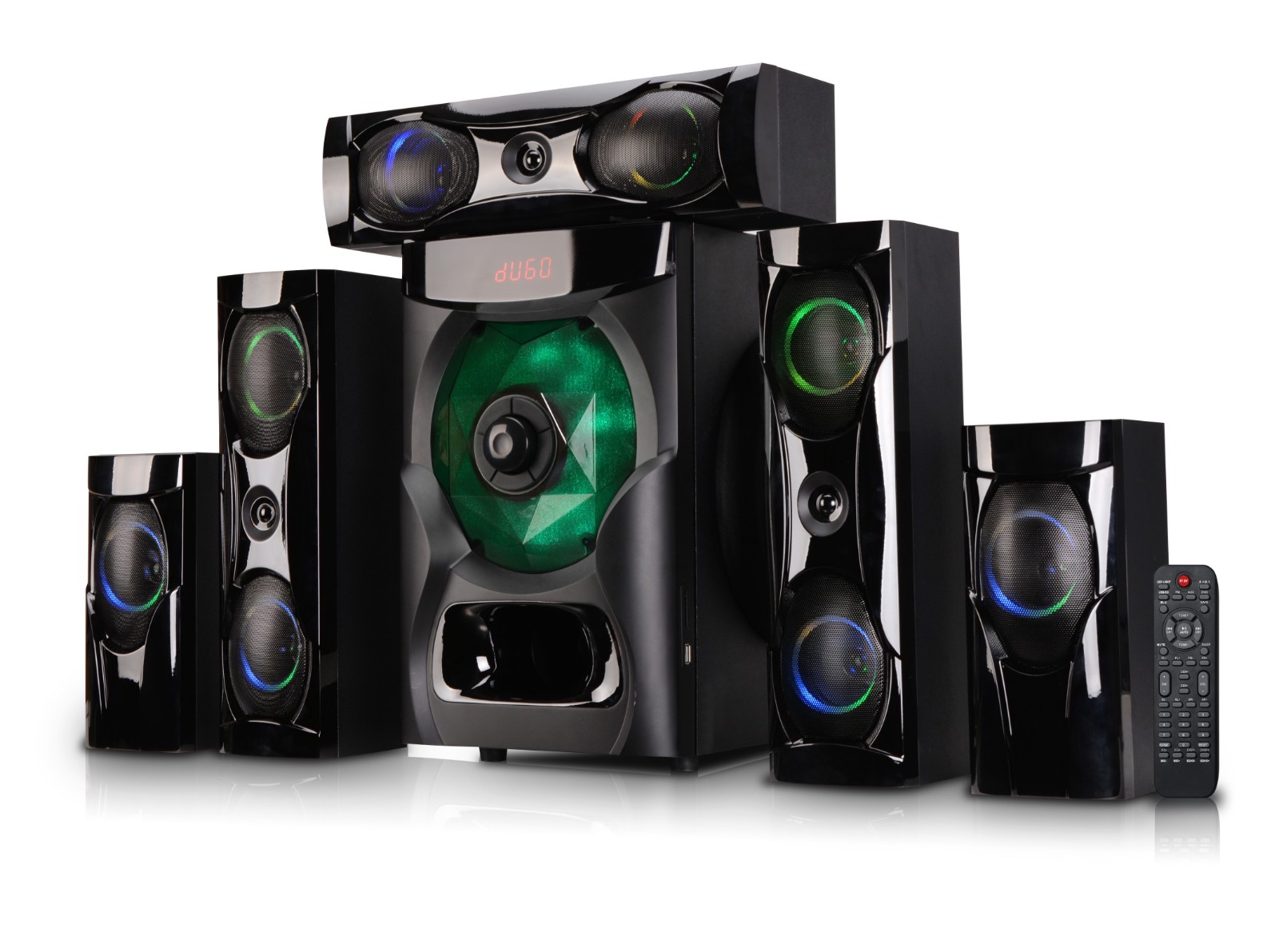
Audio equipment
Source professional-grade audio equipment from vetted manufacturers and suppliers across Asia. Designed for importers, wholesalers, distributors, and brands seeking reliable OEM and private-label production, our network delivers volume manufacturing with strict quality control and compliance.
Sourcing audio equipment at volume requires balancing acoustic fidelity, electronic reliability, and strict unit-to-unit consistency. Whether you are scaling a private-label consumer line or procuring professional-grade installation hardware, the margin for error in component selection and assembly is razor-thin. A minor deviation in a voice coil or a poorly shielded PCB can introduce total harmonic distortion (THD) that ruins an entire production run.
Component Architecture and Acoustic Engineering
The foundation of any reliable audio product lies in its internal bill of materials (BOM). Off-the-shelf "white label" products often use generic components that compromise on dynamic range and longevity, while custom manufacturing allows for precise specification control.
When negotiating with factories, you must dictate the exact specifications for the critical path components: the Digital Signal Processor (DSP), the amplifier IC (typically Class D for efficiency in active units), and the driver materials. If you are developing a proprietary acoustic profile, engaging a partner for OEM/ODM Services ensures that the factory’s engineering team aligns with your target frequency response and impedance requirements.
| Component Factor | Standard / White-Label | Premium Custom (OEM) |
|---|---|---|
| Driver Material | Paper or basic Mylar | Kevlar, Titanium, or custom composites |
| Amplifier IC | Generic Class D, higher THD (over 1%) | Branded ICs (e.g., Texas Instruments), THD under 0.1% |
| DSP Tuning | Factory default EQ preset | Custom multi-band parametric EQ tuning |
| PCB Shielding | Minimal isolation | Dedicated ground planes, RF shielding |
Need to refine your audio specifications or find a factory capable of custom DSP tuning? We help buyers match their technical requirements with the right manufacturing partners.
Talk to our teamManufacturing Vulnerabilities and Yield Protection
Audio equipment manufacturing is highly susceptible to assembly errors. The acoustic chamber must be perfectly sealed; even a microscopic gap in the enclosure gluing process can cause air leaks, resulting in audible chuffing or loss of low-frequency response. Furthermore, audio PCBs are sensitive to electromagnetic interference (EMI). Poor soldering or inadequate shielding during assembly will introduce a noticeable noise floor or ground loop hum.
Implementing strict Quality Control & Inspection protocols directly on the factory floor is non-negotiable. Relying solely on the factory's internal end-of-line testing often means defects are discovered only after the goods arrive at your warehouse.
Critical In-Line QC Checks for Audio Production
- Acoustic Chamber Sealing: Pressure testing enclosures before final assembly.
- Frequency Response & Sweep Testing: Automated audio analysis (e.g., Audio Precision or SoundCheck) on every unit.
- Solder Joint Inspection: AOI (Automated Optical Inspection) to prevent cold joints on sensitive analog paths.
- Burn-in / Aging Tests: Running amplifiers at maximum RMS power for 4 to 8 hours to identify early thermal failures.
- Battery Integration (if applicable): Voltage and internal resistance checks prior to PCB connection.
Compliance, Certifications, and Licensing
Audio equipment is heavily regulated, particularly active units with built-in amplification or wireless capabilities. Customs will seize shipments lacking proper documentation, and major distributors require proof of compliance.
If the product features Bluetooth or Wi-Fi, it must pass FCC (US) or CE RED (Europe) testing for intentional radiators. Additionally, utilizing the Bluetooth protocol requires a declaration and listing with the Bluetooth SIG. Many buyers assume the factory's existing Bluetooth qualification covers their brand, which is a dangerous misconception that can lead to IP infringement issues. Managing these regulatory hurdles is a core part of comprehensive Compliance & Testing oversight.
Verify Supplier Capability
Ensure your audio manufacturer has the testing equipment, clean rooms, and quality management systems required for high-fidelity production.
Tooling, MOQs, and Production Economics
Pricing in the audio sector is dictated by tooling requirements, component origin, and licensing fees. Modifying the external industrial design requires new injection molds for plastics or CNC/die-casting for metals, which significantly impacts upfront costs and minimum order quantities (MOQs).
When calculating landed costs, remember that heavy components like neodymium magnets and large MDF or aluminum enclosures dramatically increase shipping weight and volume.
Struggling to negotiate favorable MOQs or transparent BOM pricing with audio manufacturers? Let us handle the factory communications and contract structuring.
Get a free consultationFrequently Asked Questions
Successfully importing audio equipment in bulk requires more than just finding a supplier with a good catalog; it demands rigorous technical oversight, from BOM verification to acoustic sweep testing on the assembly line. By controlling the engineering and quality assurance processes, you protect your brand's reputation and your bottom line.
Get Sourcing Help for Audio equipment
Tell us your requirements and our experts will connect you with verified manufacturers.