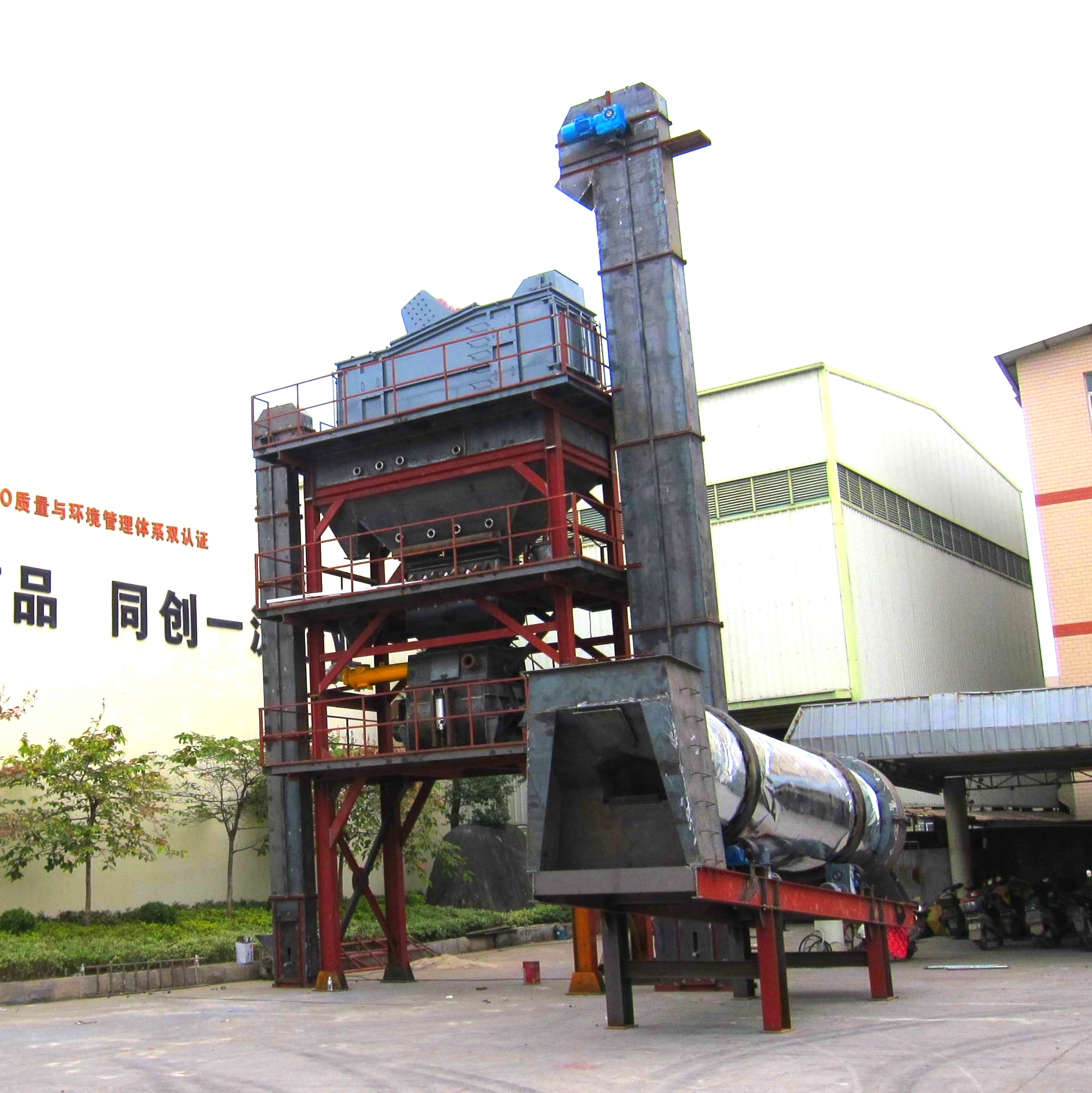
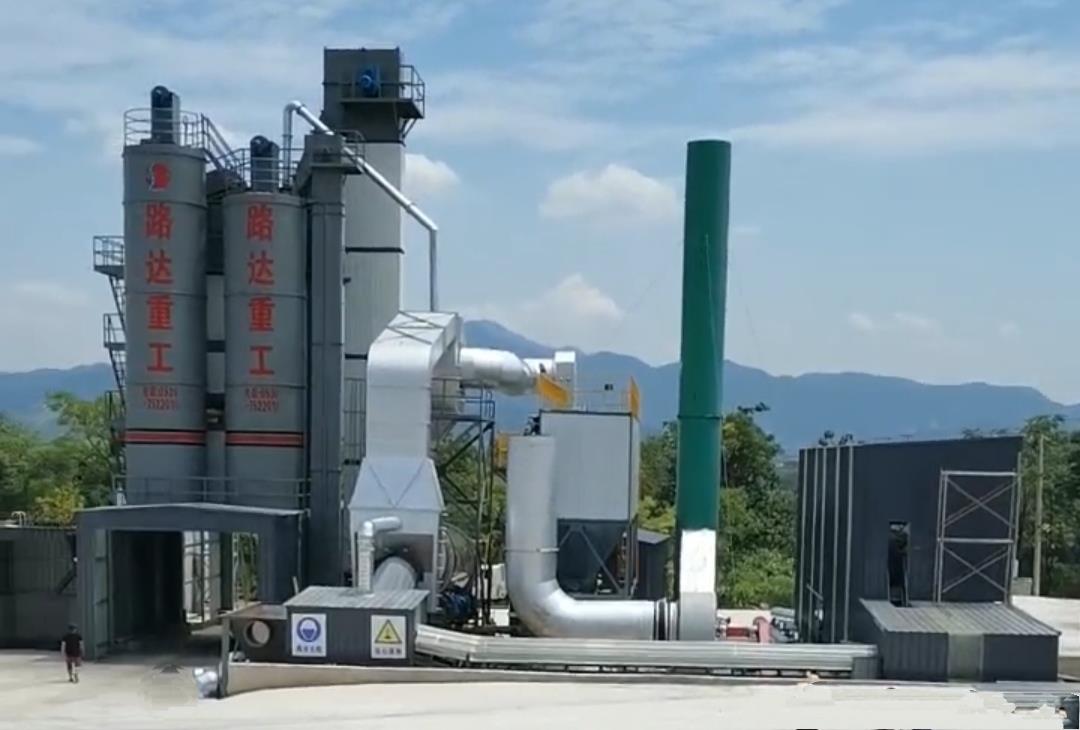
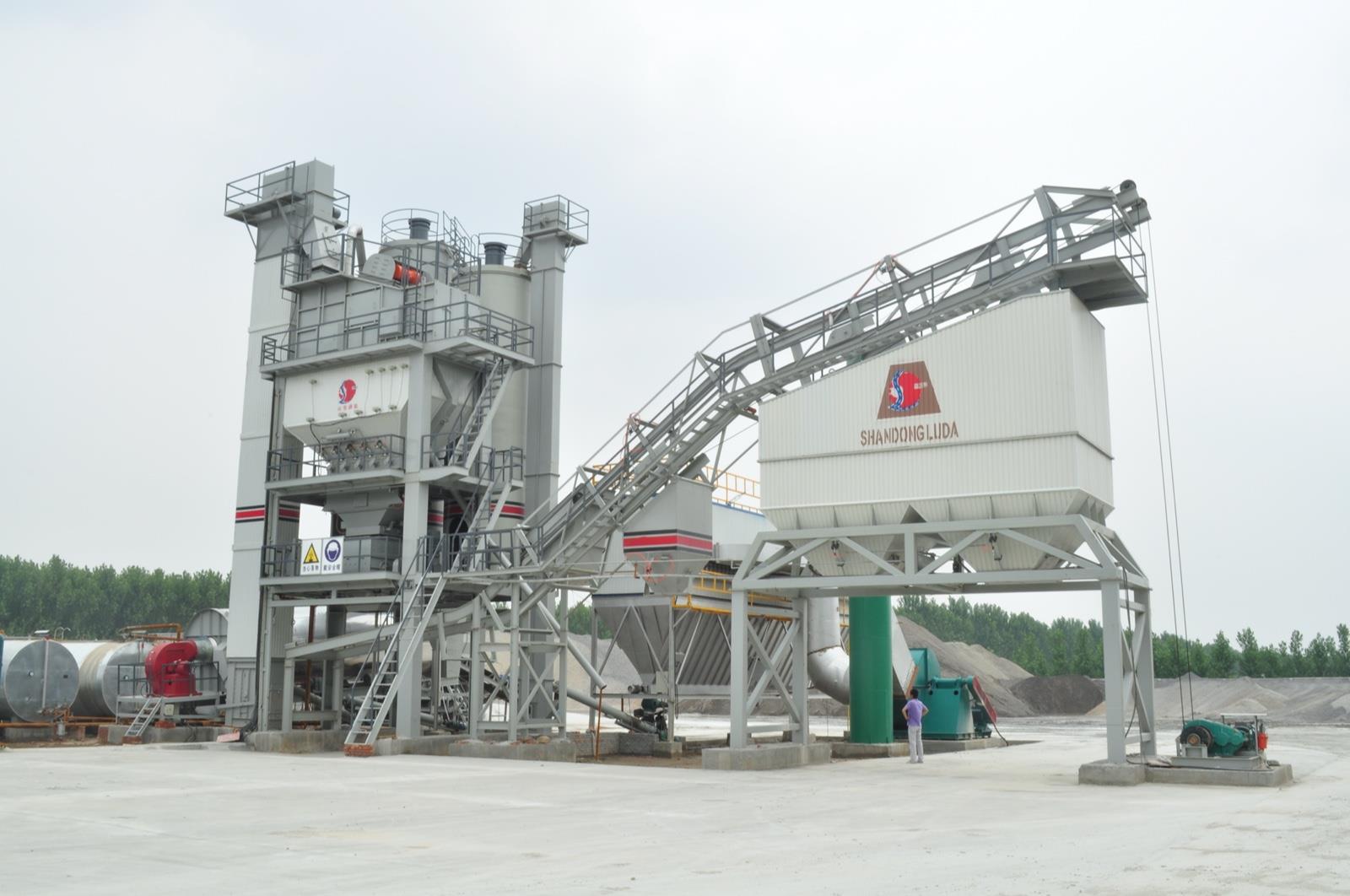
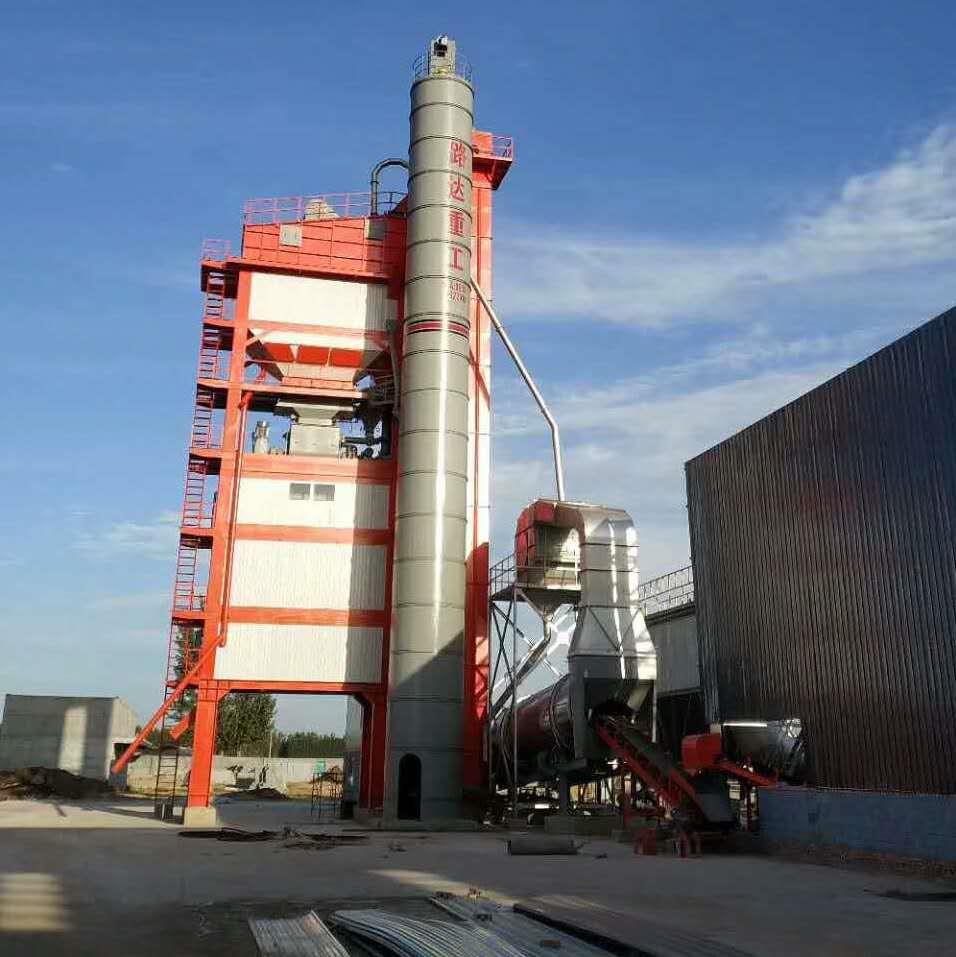
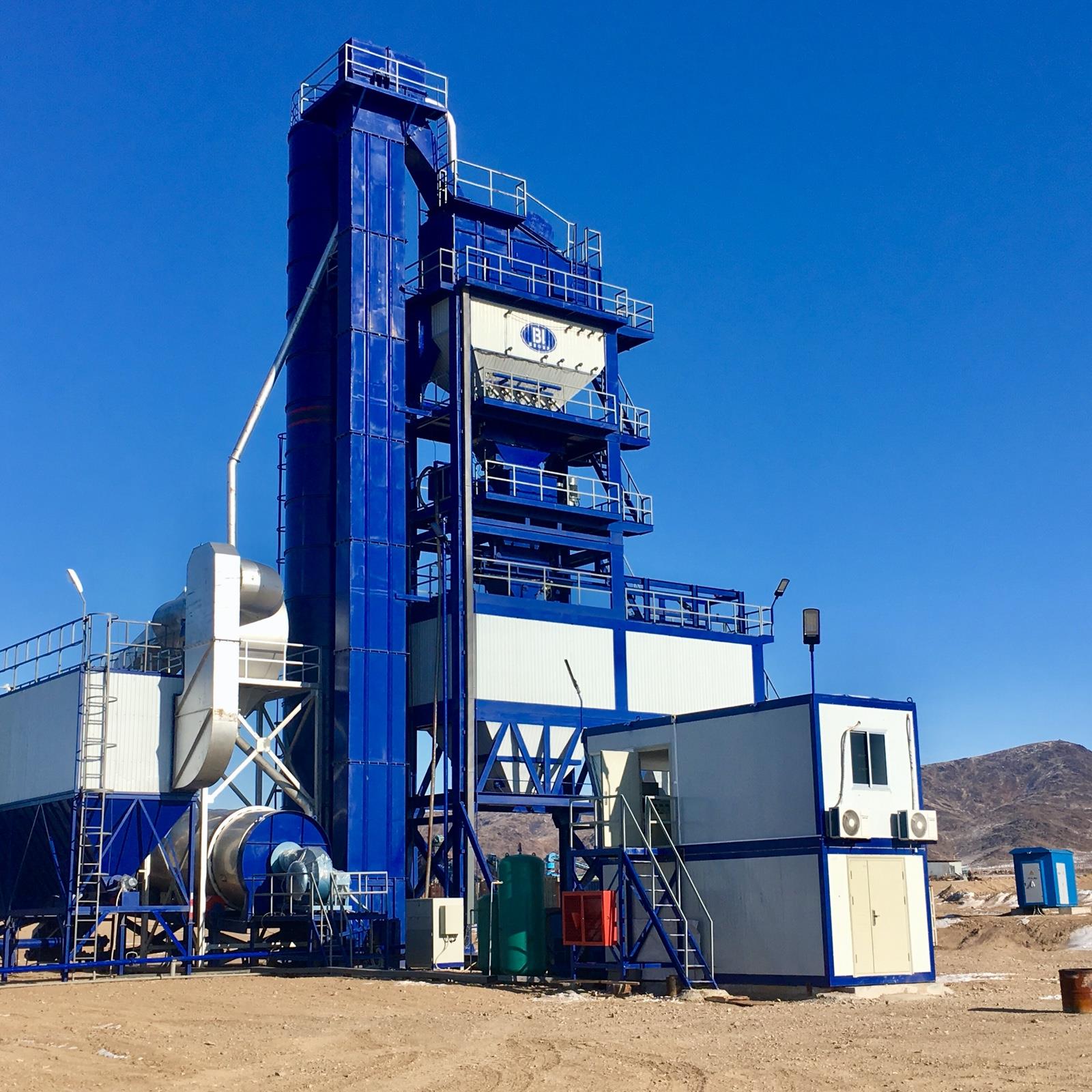
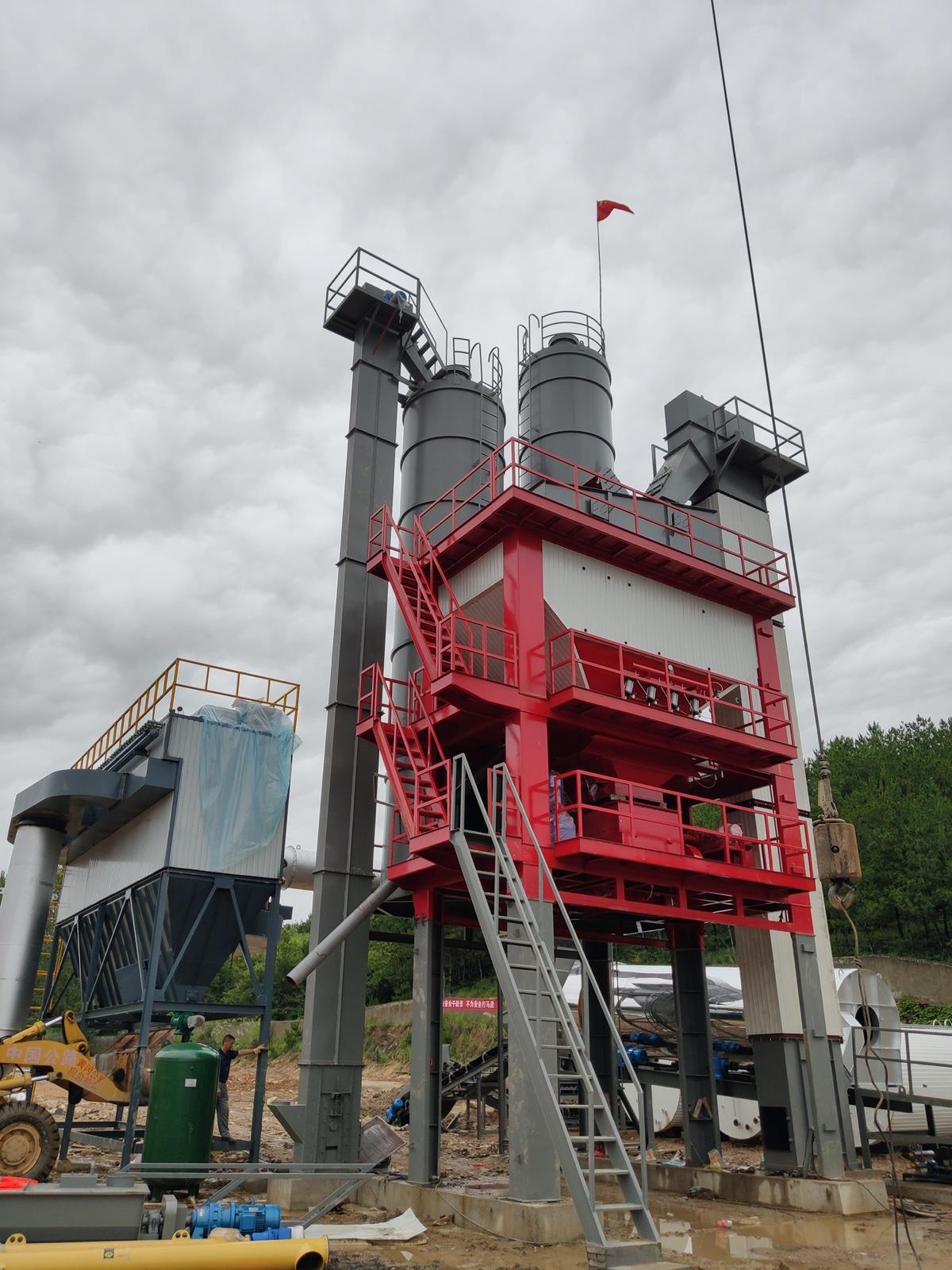
Asphalt Mixers
Source commercial-grade Asphalt Mixers from vetted suppliers and manufacturers across Asia. Designed for heavy equipment importers, machinery distributors, and construction procurement managers, our network offers scalable manufacturing solutions for bulk wholesale orders and custom OEM production requirements.
Sourcing commercial asphalt mixers and batching equipment requires navigating a complex landscape of heavy machinery manufacturers. The primary challenge isn't just finding a factory with the right catalog; it is verifying that the supplier's engineering capabilities, metallurgical standards, and electrical integrations match the rigorous demands of continuous road construction operations. For importers and distributors, mitigating risk at the factory level is critical to preventing catastrophic equipment failures in the field.
Engineering Specifications and Mixer Configurations
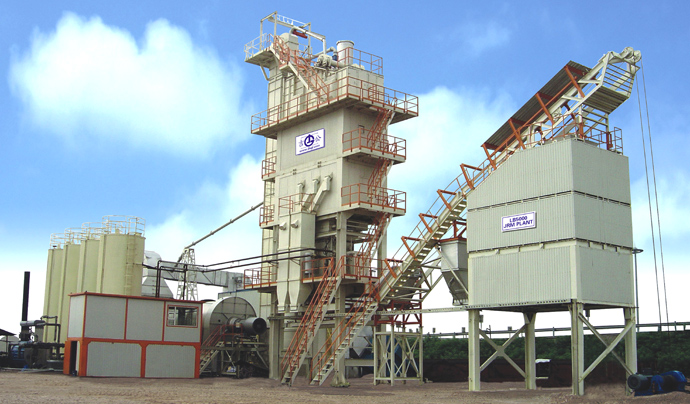
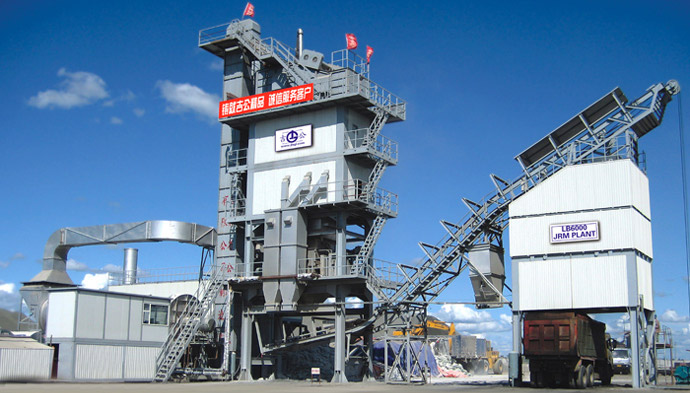
Procuring asphalt mixing equipment requires precise alignment between the end-user's operational demands and the manufacturer's engineering specifications. Buyers must clearly define the required capacity, typically measured in tons per hour (tph), alongside the fuel type for the burner (diesel, heavy oil, natural gas, or coal) and the environmental compliance standards for dust collection (water dust catchers versus baghouse filter systems).
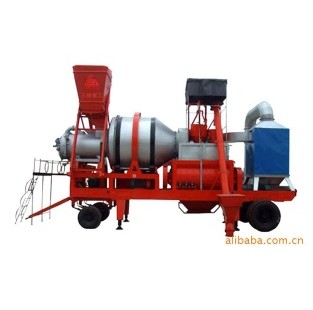
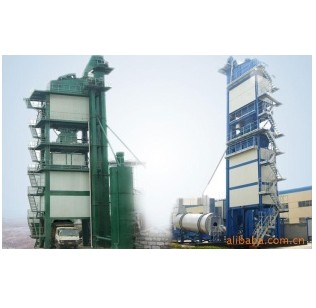
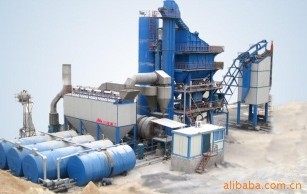
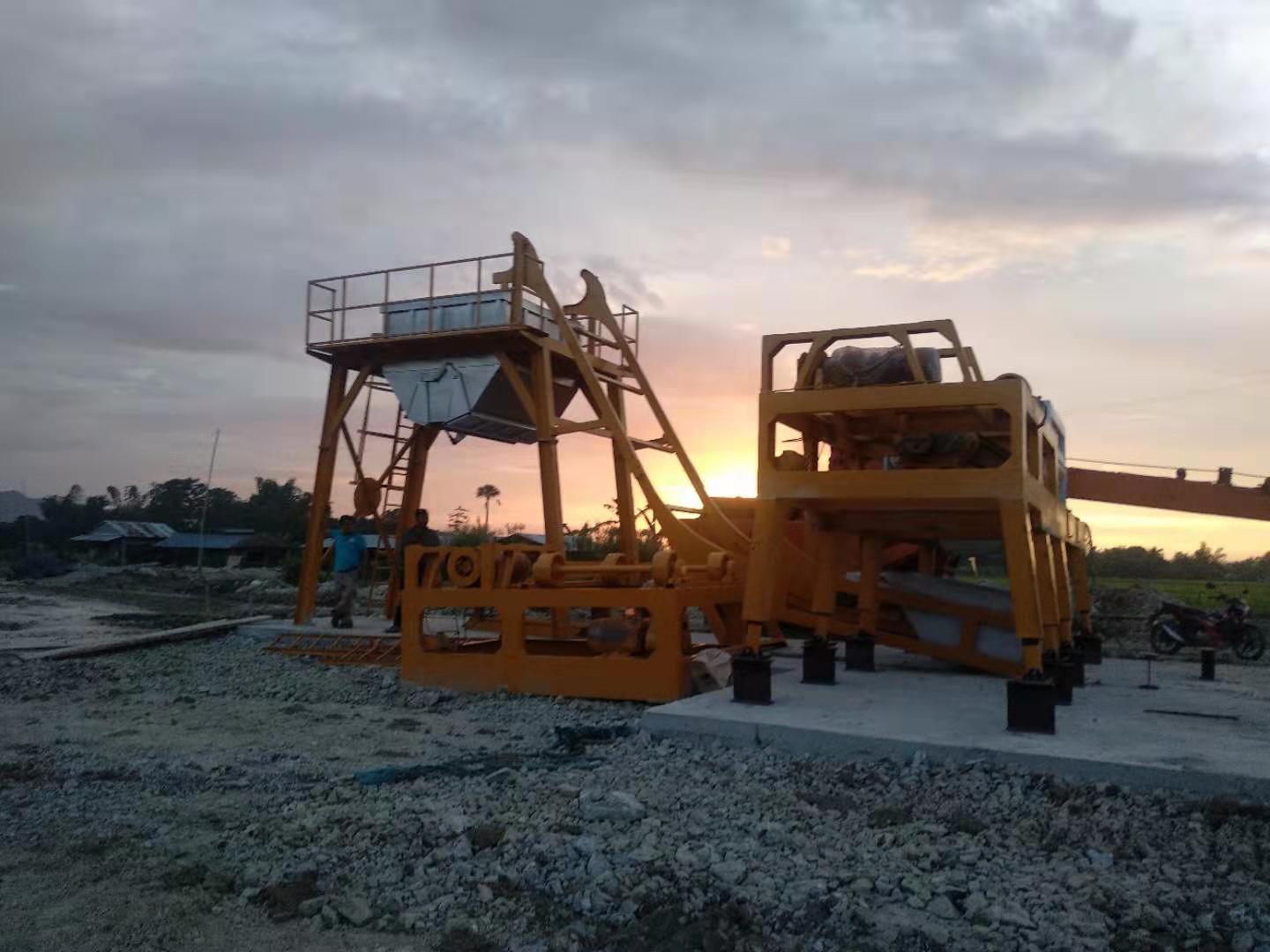
Manufacturers generally produce two primary configurations, each with distinct production methodologies and component requirements.
| Specification | Asphalt Batch Mixers | Continuous Drum Mixers |
|---|---|---|
| Production Style | Intermittent, precise batches | Continuous, uninterrupted flow |
| Aggregate Weighing | Dynamic individual weighing | Volumetric proportioning |
| Typical Capacity Range | 40 to 320+ tph | 20 to 150+ tph |
| Mobility Options | Stationary or modular semi-mobile | Highly mobile, trailer-mounted |
Need help verifying a heavy machinery supplier's engineering capabilities and production history?
Talk to our teamQuality Control and Component Verification
The longevity of an asphalt mixer is dictated by the quality of its wear parts and the reliability of its control systems. Factories cutting corners often use inferior steel alloys for mixing blades and drum liners, leading to rapid degradation under the abrasive friction of heated aggregates.
When evaluating a manufacturer, rigorous on-site Factory Audits are essential to confirm their machining tolerances and material sourcing. Professional buyers must demand transparency regarding the origin of critical components.
Critical Factory Inspection Points
- Metallurgical testing of mixing blades and drum liners (must meet high-chromium or Ni-Hard cast iron standards).
- Burner efficiency and thermal calibration testing to ensure consistent aggregate heating.
- Verification of PLC control systems (ensuring authentic components from brands like Siemens, Schneider, or Omron).
- Weld seam inspection on the main drum and structural chassis using non-destructive testing (NDT).
- Dust collection system compliance with the target market's specific emission regulations.
Catching component substitutions before the equipment is containerized is non-negotiable. Implementing comprehensive Quality Control & Inspection protocols during assembly and prior to shipment ensures the machinery operates safely and efficiently upon arrival.
Pricing Drivers, Lead Times, and Logistics
The cost of asphalt mixing equipment fluctuates based on capacity, mobility features, and the tier of integrated electronic components. Customization—such as adapting the burner for specific regional fuel grades or upgrading the baghouse filtration system—will directly impact both pricing and production schedules.
Logistics for heavy machinery present a significant barrier. Asphalt plants, even modular ones, often require multiple 40HQ containers, Open Top containers, or Flat Racks for oversized components like the drying drum. Coordinating this requires expert Shipping & Freight management to handle complex loading plans, secure lashing, and navigate heavy-equipment customs clearance.
Planning a complex machinery import? Let's discuss your procurement and heavy freight strategy.
Get a free consultationFrequently Asked Questions
Securing Your Heavy Machinery Supply Chain
Importing asphalt mixers requires more than negotiating a favorable unit price; it demands rigorous technical vetting, strict quality oversight, and flawless logistical execution. By treating the procurement process as an engineering project rather than a simple transaction, buyers can secure reliable equipment that delivers long-term operational profitability. When you are ready to streamline your heavy machinery sourcing, engaging experienced supply chain partners can protect your investment from the factory floor to the construction site.
Get Sourcing Help for Asphalt Mixers
Tell us your requirements and our experts will connect you with verified manufacturers.