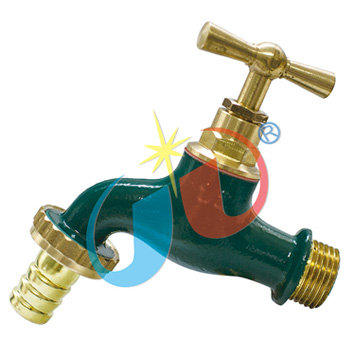
Artistic Taps
Source premium artistic taps from vetted manufacturers and wholesale suppliers across Asia. Designed for importers, distributors, and brands seeking OEM or private-label production, our network delivers high-quality, design-forward plumbing fixtures tailored to your market's exact aesthetic and compliance standards.
Sourcing artistic taps requires balancing high-end aesthetic finishes with rigorous functional durability. A visually striking faucet is useless if the internal cartridge fails or the finish corrodes after six months of commercial use. Securing reliable production means scrutinizing base materials, casting methods, and surface treatments before committing to a manufacturing run.
Core Materials and Internal Components
The longevity of a tap is dictated by what lies beneath the surface. Buyers must specify both the body material and the internal valving to avoid premature failure.
- Base Material: High-grade artistic taps are typically cast from DR (Dezincification Resistant) Brass or forged from 304/316 Stainless Steel. DR brass is critical for regions with aggressive water chemistry to prevent the zinc from leaching out, which compromises the structural integrity of the tap.
- Cartridges: The ceramic disc cartridge is the engine of the tap. Relying on generic, unbranded cartridges is a primary cause of leaks and warranty claims. Specifying globally recognized brands—such as Sedal (Spain) or Kerox (Hungary)—ensures a tested lifespan of over 500,000 cycles and simplifies aftermarket support.
- Aerators: Specify flow-regulated aerators (like Neoperl) to ensure compliance with regional water-saving regulations (e.g., WELS, WaterSense).
Manufacturing and Surface Finishing
The most significant quality divergence in artistic taps occurs during casting and finishing.
Sand casting is cheaper but often results in microscopic porosity—tiny air bubbles trapped in the brass that eventually cause pinhole leaks. Premium manufacturers utilize gravity die casting or low-pressure casting, yielding a denser, defect-free brass body.
Once cast and polished, the surface treatment dictates the tap's aesthetic lifespan.
| Finish Type | Durability | Cost Impact | Typical Application |
|---|---|---|---|
| Electroplating (Chrome/Nickel) | Moderate | Baseline | Standard commercial & residential |
| PVD (Physical Vapor Deposition) | Extremely High | Plus 15-30% | Luxury, high-traffic hospitality |
| Powder Coating (Matte Black) | Good | Plus 5-10% | Modern residential |
| ORB (Oil Rubbed Bronze) | Moderate (Living Finish) | Plus 10-20% | Traditional / Heritage designs |
Struggling with inconsistent finishes or high defect rates? We can evaluate your supplier's casting and plating lines to ensure consistent quality.
Talk to our teamQuality Control and Compliance Standards
Artistic taps must meet stringent regional standards for both mechanical performance and material safety (specifically lead content). If you are importing into regulated markets, you need a factory capable of producing to WRAS (UK), cUPC (North America), or WaterMark (Australia) standards.
Navigating these requirements often requires rigorous Compliance & Testing to verify that the factory's claims match the actual production run.
Critical Pre-Shipment Inspections for Taps
- Salt Spray Testing: Verify finish corrosion resistance (e.g., 24h to 96h ASS/CASS tests).
- Pressure Testing: 100% pneumatic or hydrostatic testing of assembled units to check for leaks.
- Visual Inspection: Check for plating shadows, polishing marks, or uneven powder coating under controlled lighting.
- Thread Gauging: Ensure all connection threads meet standard tolerances (e.g., G1/2 or NPT) for seamless installation.
Implementing strict Quality Control & Inspection prior to container loading is the only way to catch plating defects or incorrect cartridge installations before they reach your warehouse.
Pricing Drivers, MOQs, and Lead Times
Cost is driven primarily by raw brass market prices, the complexity of the mold, and the chosen finish. PVD finishes require expensive vacuum chambers, which drives up both the per-unit cost and the Minimum Order Quantity (MOQ).
- Typical MOQs: Standard electroplated finishes generally require MOQs of 100 to 200 pieces per SKU. Custom PVD colors or specialized powder coats often push MOQs to 300 to 500 pieces, as factories must fill the finishing chamber to be cost-effective.
- Lead Times: Expect 35 to 45 days for standard production. If you are developing custom molds, add 20 to 30 days for tooling and sample approval.
- Customization: If you are building a proprietary product line, leveraging professional OEM/ODM Services ensures your design files are properly translated into production-ready molds while protecting your IP.
Need to negotiate better MOQs for a multi-finish product line? Let's discuss your sourcing strategy.
Get a free consultationFrequently Asked Questions
Successfully sourcing artistic taps means looking past the initial product photos and interrogating the factory's casting methods, component sourcing, and finishing standards. By specifying the right materials and enforcing strict quality control, you can deliver a product that performs as beautifully as it looks.
Get Sourcing Help for Artistic Taps
Tell us your requirements and our experts will connect you with verified manufacturers.