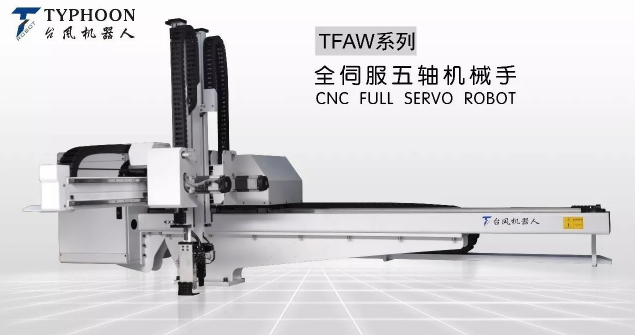
Articulated Robots
Source high-performance articulated robots from vetted manufacturers and suppliers. Designed for procurement managers, automation integrators, and distributors buying in bulk, our network delivers reliable industrial robotic arms. Secure competitive wholesale pricing and robust OEM production for your next deployment.
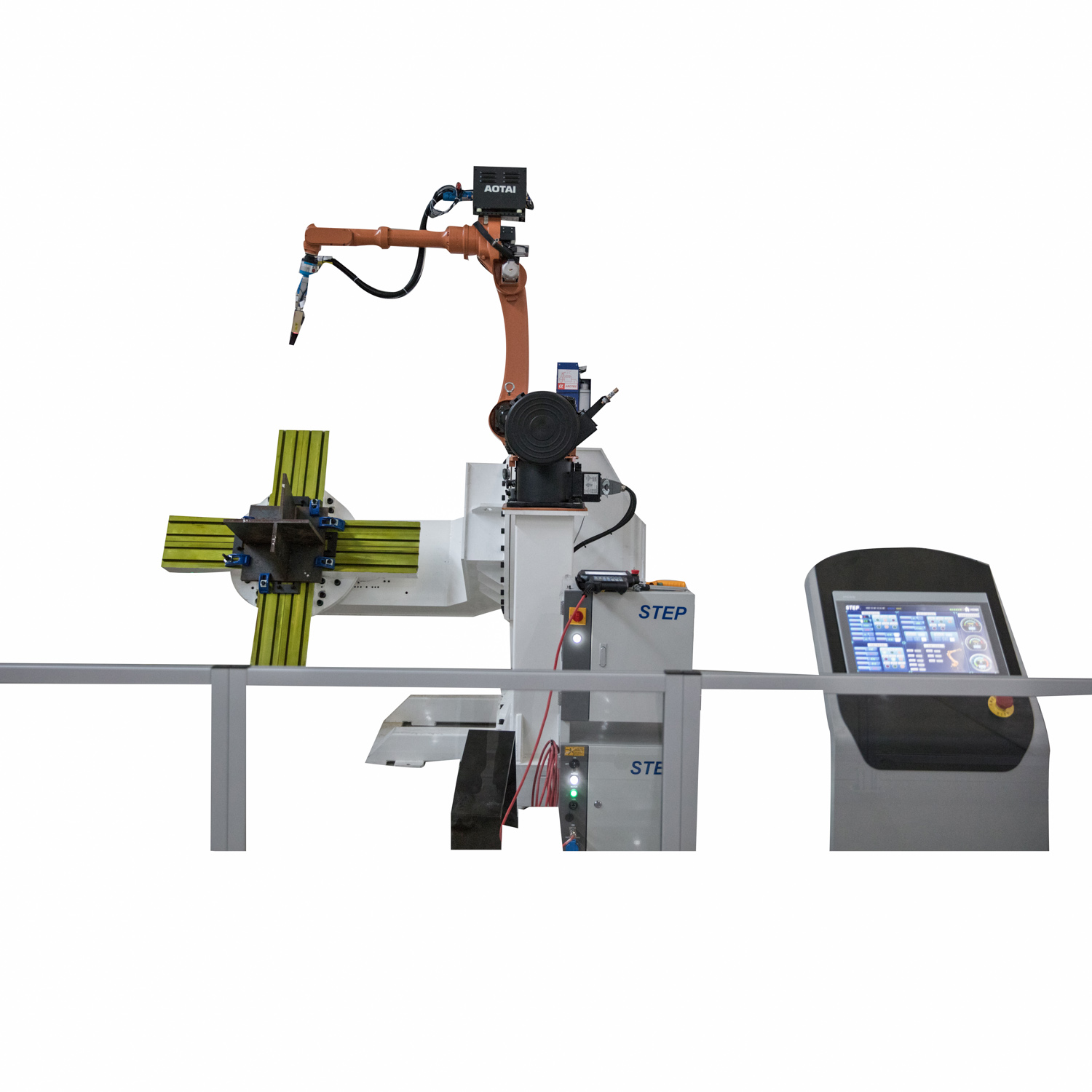
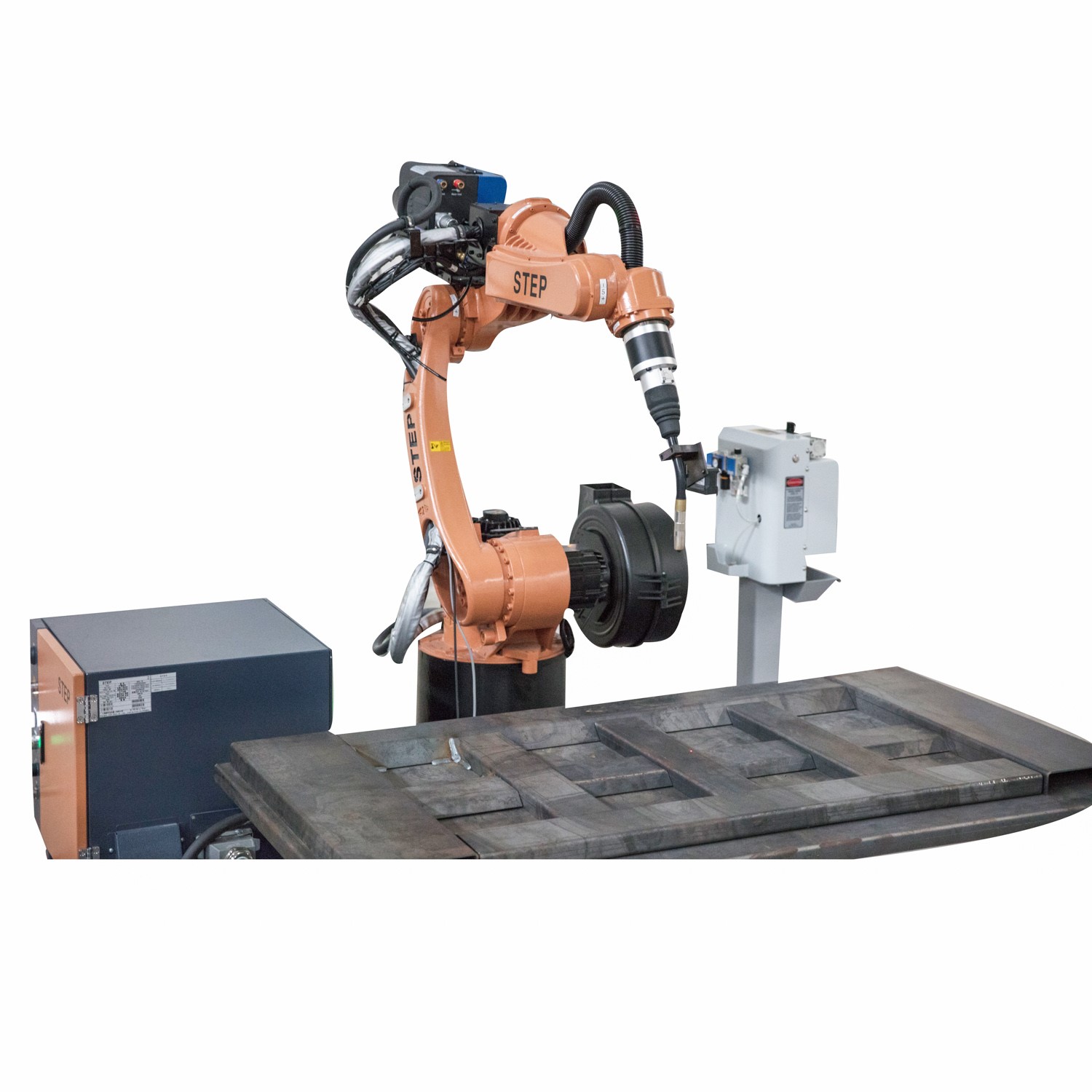
Sourcing industrial articulated robots requires balancing payload capacity, reach, and precision against strict budget and integration constraints. While legacy European and Japanese brands have historically dominated the automation space, top-tier Chinese manufacturers now produce highly capable 6-axis robotic arms suitable for welding, palletizing, machine tending, and assembly. The primary challenge for volume buyers is cutting through marketing claims to verify the true quality of the robot's core kinematic components and control systems.
Defining Core Specifications for Bulk Procurement
When negotiating with automation suppliers, vague requirements lead to underperforming equipment. You must specify the exact operational envelope your end-users require.
| Payload Class | Typical Reach | Common Applications |
|---|---|---|
| Light (up to 10kg) | 600mm - 1400mm | Assembly, Arc Welding, Pick & Place |
| Medium (20kg - 50kg) | 1400mm - 2100mm | Machine Tending, Packaging, Dispensing |
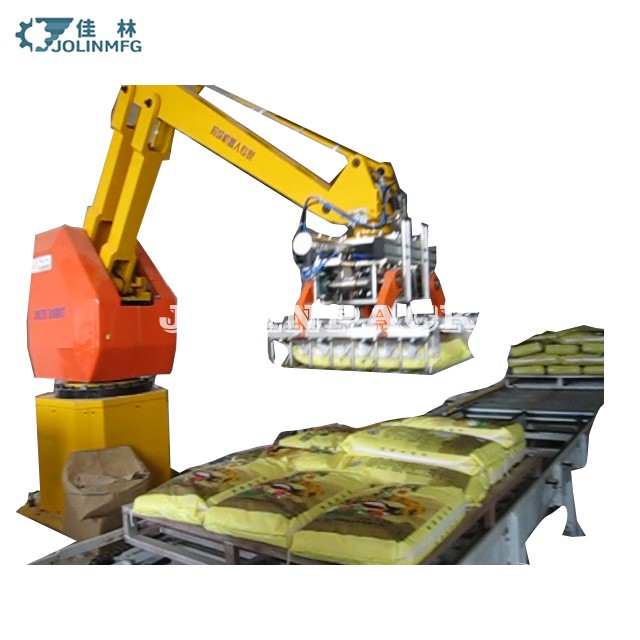
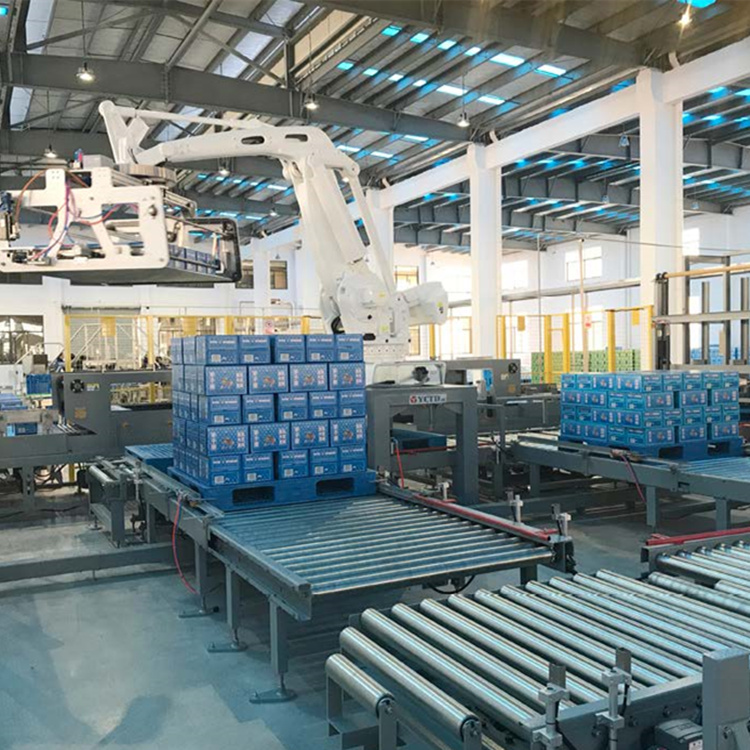
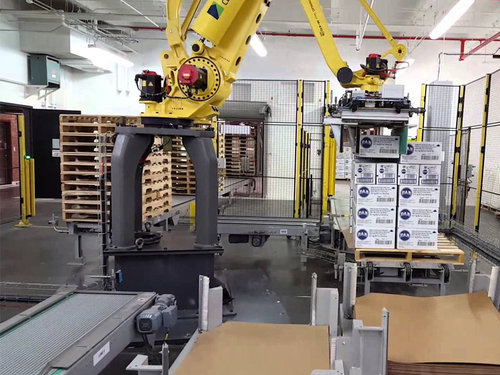
| Heavy (100kg+) | 2500mm - 3500mm+ | Palletizing, Spot Welding, Heavy Material Handling |
Beyond payload and reach, repeatability is the metric that separates standard arms from precision equipment. A high-quality articulated robot should maintain a repeatability of ±0.02mm to ±0.08mm. However, repeatability degrades over time if the manufacturer uses inferior mechanical components.
Need help verifying a robot manufacturer's component supply chain and assembly standards?
Talk to our teamThe "Big Three" Components: Where Quality is Won or Lost
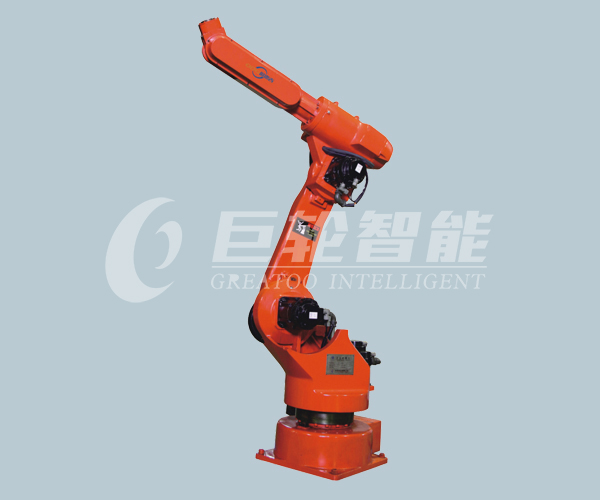
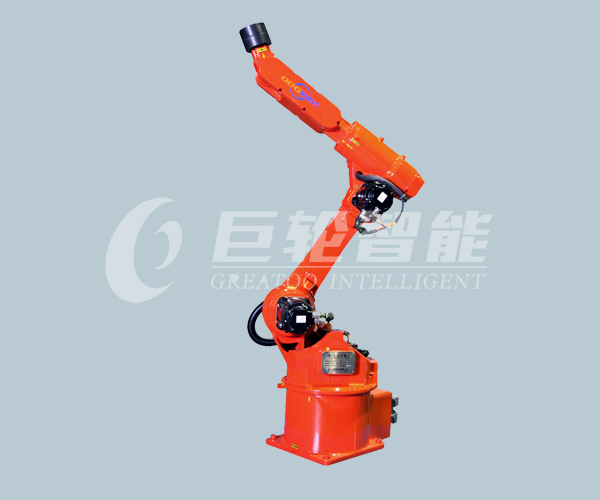
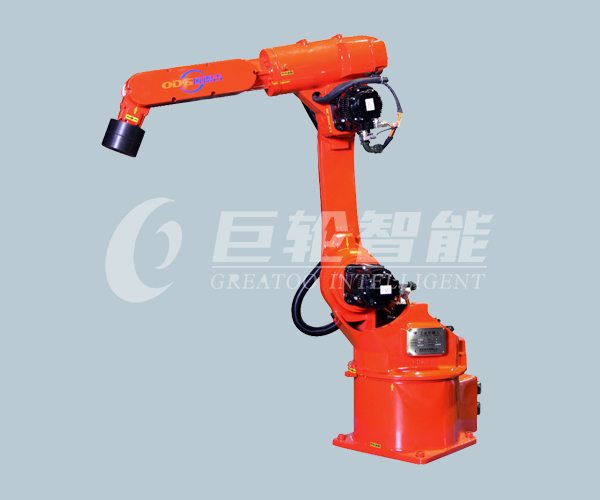
An articulated robot is essentially a collection of precision reducers, servo motors, and a control system housed in cast aluminum or steel. The origin and quality of these three elements dictate the lifespan and price of the unit.
- Precision Reducers (RV & Harmonic Drives): These account for a massive portion of the robot's cost. The base and lower axes typically use RV (Rotary Vector) reducers for high rigidity and torque, while the upper wrist axes use harmonic drives for zero backlash and low weight. Inferior reducers will exhibit severe backlash after just a few thousand hours of operation.
- Servo Motors & Drives: High-response AC servo motors are critical for smooth path interpolation. Ensure the supplier uses servos with high-resolution absolute encoders (typically 17-bit to 23-bit).
- Control System & Teach Pendant: The controller architecture determines integration ease. Many buyers prefer manufacturers who use established third-party control systems (like KEBA) or highly open proprietary controllers that support standard industrial protocols (EtherCAT, PROFINET, Modbus TCP).
Verifying that a factory actually uses the premium components they claim—and installs them with the correct machining tolerances—requires rigorous Factory Audits before you place a volume order.
Quality Control & Factory Testing
You cannot inspect an articulated robot simply by looking at its paint job. Comprehensive Quality Control & Inspection must happen on the factory floor before the units are crated.
Critical Pre-Shipment Inspection Points
- Laser tracker verification of TCP (Tool Center Point) repeatability under maximum payload.
- Continuous 48-to-72 hour burn-in testing to monitor servo thermal performance.
- Vibration analysis on key joints to detect premature reducer wear or improper gear meshing.
- Verification of IP ratings (e.g., IP67 for wrist, IP54 for body) if intended for harsh environments.
- Software and firmware version checks on the controller and teach pendant.
Typical MOQs, Pricing, and Lead Times
Because articulated robots are high-capital industrial assets, Minimum Order Quantities (MOQs) are generally low. Most manufacturers will accept MOQs of 1 to 5 units, though significant wholesale discounts typically kick in at 10+ units.
Lead times vary based on the level of customization. Standard configurations usually ship in 4 to 6 weeks. If you are requesting custom paint, specific connector pinouts, or private-label branding through OEM/ODM Services, expect lead times to extend to 8 to 12 weeks.
Looking to negotiate bulk pricing or OEM customizations for industrial robotic arms?
Get a free consultationFrequently Asked Questions
Successfully importing articulated robots requires more than just finding a factory with a good price; it requires deep technical validation of mechanical components and strict oversight of the assembly process. Partnering with an experienced sourcing team ensures your automation assets perform exactly to spec, right out of the crate.
Get Sourcing Help for Articulated Robots
Tell us your requirements and our experts will connect you with verified manufacturers.