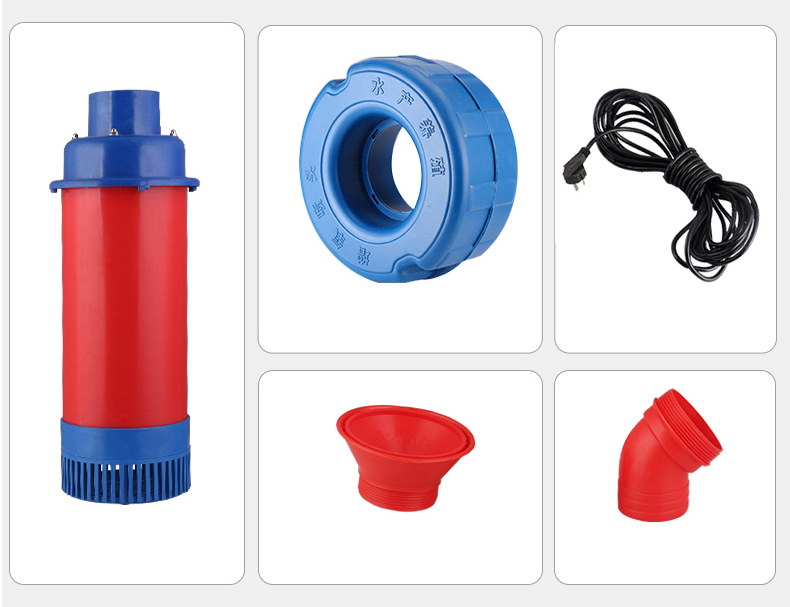
Aquaculture Aerators
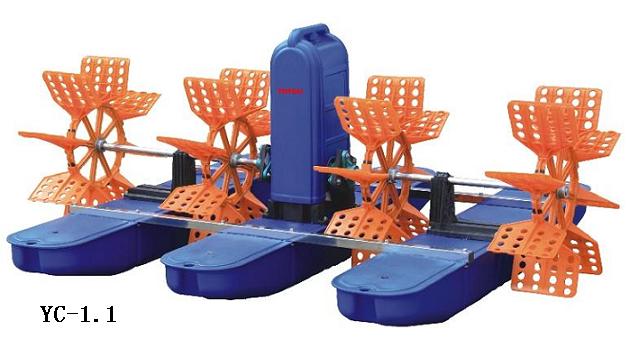
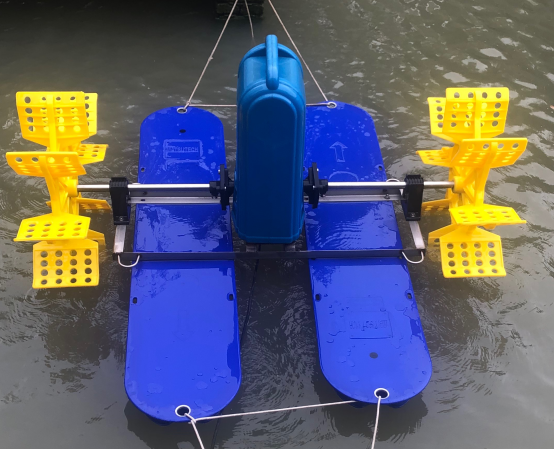
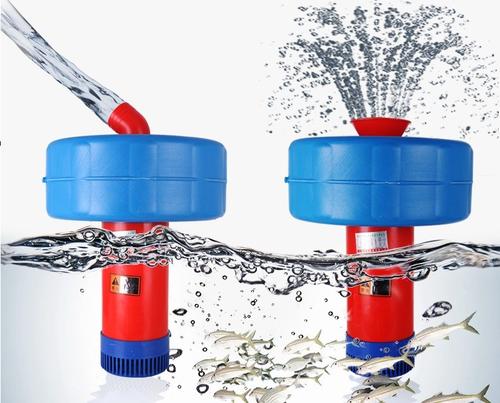
Source high-performance aquaculture aerators from vetted manufacturers and wholesale suppliers. Built for commercial fish and shrimp farming operations, our network serves importers, distributors, and brands requiring reliable bulk supply or custom OEM production.
Commercial aquaculture relies on uninterrupted dissolved oxygen (DO) management to maintain yield and prevent catastrophic stock loss. Sourcing industrial aerators in bulk requires strict attention to motor durability, gear reduction efficiency, and material resistance to highly corrosive saline environments. When buying at scale, the difference between a reliable unit and a liability lies in the factory’s raw material selection and assembly tolerances.
Core Specifications for Sourcing
When evaluating suppliers, vague claims about "high efficiency" are a red flag. Professional buyers must mandate specific technical parameters to ensure the equipment meets the operational demands of intensive farming.
| Component | Standard Commercial | Heavy-Duty / Premium |
|---|---|---|
| Motor Winding | Copper-clad aluminum (prone to overheating) | 100% Pure Copper wire |
| Gearbox Type | Worm gear (higher friction, lower lifespan) | Bevel gear (higher torque transmission) |
| Float Material | Recycled HDPE (brittle under UV) | Virgin HDPE with UV stabilizers |
| Frame & Shaft | Galvanized steel or SS201 | Marine-grade Stainless Steel 304 or 316 |
Aeration Efficiency and Power Ratings
The most critical performance metric is the Standard Aeration Efficiency (SAE), measured in kilograms of oxygen transferred per kilowatt-hour (kg O2/kWh). You must also specify exact electrical requirements for your target market. Manufacturers in Asia default to 220V/50Hz or 380V/50Hz three-phase. If you are importing to North America or parts of Latin America, you will need to specify 60Hz motors, which requires custom winding and testing.
Need to verify a supplier's motor efficiency and production capabilities? We can help you navigate the technical vetting process.
Talk to our teamManufacturing Quality and Factory Vulnerabilities
Aquaculture equipment operates in brutal conditions—constant moisture, high salinity, and direct UV exposure. Factories competing aggressively on price often substitute internal components where buyers cannot easily see them.
Conducting thorough factory audits is essential to verify the supplier's supply chain for raw materials, particularly their source for electric motors and gearboxes, which are often outsourced to sub-suppliers.
Critical Pre-Shipment Inspection Points
- Motor Housing Seal: Verify IP67 or IP68 waterproof ratings with submerged pressure testing.
- Gearbox Oil Leakage: Inspect the mechanical seals (often silicon carbide) on the output shaft for oil weeping.
- Impeller Balance: Unbalanced impellers cause severe vibration, leading to premature bearing failure.
- Material Verification: Use positive material identification (PMI) to confirm stainless steel grades (304 vs 201).
Implementing strict quality control protocols before the container is loaded is the only way to prevent defective, rapidly degrading units from reaching your distribution network.
Pricing, MOQs, and Production Lead Times
Aerator pricing is highly volatile and directly tied to global copper, steel, and resin commodity prices.
Shipping aquaculture aerators requires careful volumetric planning. Floats and frames are bulky. Most suppliers ship units completely knocked down (CKD) to maximize container space. Ensure the supplier provides clear, localized assembly instructions and robust packaging to prevent transit damage to the motor cooling fins and plastic impellers.
Struggling with high defect rates or inconsistent pricing? Let us manage your aeration equipment supply chain from factory floor to final delivery.
Get a free consultationFrequently Asked Questions
Sourcing industrial aquaculture aerators is an exercise in risk mitigation. Upfront unit cost is irrelevant if motor failures cause total crop loss for your end-users. By enforcing strict material standards and running comprehensive inspections during production, you protect both your brand reputation and your bottom line.
Get Sourcing Help for Aquaculture Aerators
Tell us your requirements and our experts will connect you with verified manufacturers.