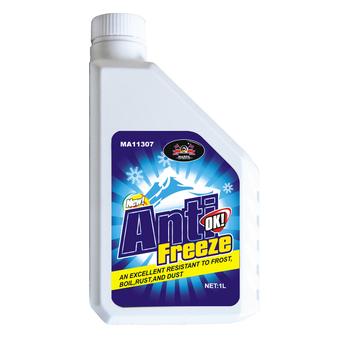
Antifreeze
Source premium antifreeze from vetted manufacturers and suppliers capable of meeting stringent international automotive standards. Designed for automotive distributors, wholesale importers, and brands seeking reliable OEM and private-label production. Secure bulk pricing on high-performance engine coolants direct from the factory.
Sourcing bulk antifreeze requires balancing precise chemical formulations with the logistical realities of moving heavy, high-volume liquids. For automotive distributors and private-label brands, the primary challenge isn't just finding a factory that can blend ethylene glycol or propylene glycol; it's securing a partner with consistent batch-to-batch quality control, certified additive packages, and leak-proof packaging that survives international transit.
Chemical Formulations and Additive Packages
Modern engine coolants are defined by their inhibitor technologies. When negotiating with a manufacturer, you must specify the exact additive package required for your target market, as this dictates the product's lifespan and compatibility with specific engine metals.
| Formulation | Inhibitor Type | Primary Application |
|---|---|---|
| IAT (Conventional) | Silicates/Phosphates | Older vehicles (pre-1998) |
| OAT | Organic Acids (No Silicates) | Modern global platforms |
| HOAT | Hybrid (Organic + Silicates) | European & specific Asian OEMs |
| P-HOAT | Phosphated Hybrid | Asian OEMs (Toyota, Honda) |
Beyond the inhibitor type, the base fluid—typically Monoethylene Glycol (MEG) or Propylene Glycol (PG)—must meet high purity standards. MEG is the industry standard for cost-to-performance ratio, while PG is specified for low-toxicity requirements.
Need to verify a supplier's chemical formulations and export capabilities?
Talk to our teamFactory Quality Control and Compliance Standards
A reliable factory does not just mix chemicals; they perform rigorous in-house testing on every batch. Substandard antifreeze can cause catastrophic engine failure through cavitation, corrosion, or freezing.
When auditing a supplier, ensure their laboratory is equipped to test against key international standards, such as ASTM D3306 (for light-duty vehicles) or ASTM D4985 (for heavy-duty diesel engines). If you lack on-the-ground presence, utilizing third-party compliance testing is highly recommended before authorizing a mass production run.
Critical Batch Testing Parameters
- Reserve Alkalinity (RA): Ensures the fluid can neutralize acidic byproducts over time.
- pH Levels: Must remain stable (typically between 7.5 and 11.0 depending on the OAT/HOAT formulation).
- Freeze and Boiling Points: Verified using a refractometer to match the specified concentration.
- Corrosion Inhibition: Testing on aluminum, cast iron, steel, and copper under simulated operating conditions.
Packaging, Private Labeling, and Freight Strategy
Antifreeze is highly commoditized, making packaging a primary differentiator for retail and commercial buyers. Factories offer standard High-Density Polyethylene (HDPE) bottles in 1L, 4L, and 5L sizes, alongside 200L drums and 1000L IBC totes for commercial use. If you are building a brand, OEM/ODM services can facilitate custom bottle molds, induction-sealed caps, and localized labeling.
Freight strategy is equally critical. Shipping 50/50 pre-mixed coolant means you are paying to ship 50 percent water across the ocean. Many high-volume importers choose to ship 100 percent concentrated coolant and mix it with deionized water domestically to drastically reduce shipping and freight costs per active unit.
Typical MOQs, Lead Times, and Pricing Drivers
Pricing in the antifreeze market fluctuates heavily based on global petrochemical indices, specifically the cost of crude oil and natural gas, which dictate MEG pricing.
When negotiating, ensure the quotation clearly states the concentration percentage, the specific additive package (e.g., Sebacic Acid content for OAT), and the packaging specifications (including carton burst strength).
Looking for reliable antifreeze manufacturers with competitive bulk pricing?
Get a free consultationBuyer FAQ
Sourcing automotive chemicals at scale requires a deep understanding of fluid specifications and the logistical capacity to move heavy freight efficiently. Partnering with a team that can manage factory audits, formulation verification, and complex export logistics ensures your supply chain remains resilient and profitable.
Get Sourcing Help for Antifreeze
Tell us your requirements and our experts will connect you with verified manufacturers.