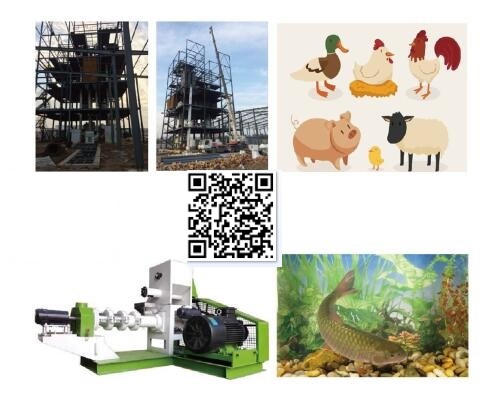
Animal Feed
Source bulk animal feed directly from vetted manufacturers and suppliers. Designed for agricultural importers, wholesale distributors, and brands seeking OEM/private-label production, our network delivers consistent nutritional profiles, strict quality control, and reliable volume fulfillment for livestock, poultry, and aquaculture.
Sourcing bulk animal feed requires balancing aggressive cost targets with uncompromising nutritional consistency and safety. When importing high-volume agricultural commodities or custom feed formulations, the primary risks are ingredient adulteration, moisture mismanagement during processing, and supply chain disruptions that degrade shelf life. Success depends on locking down strict specifications and ensuring factory-level adherence before the product is bagged or loaded.
Defining Feed Specifications for Production
Generic requests for "poultry feed" or "fish meal" will result in wildly varying quotes and inconsistent product. To ensure accurate pricing and nutritional integrity, you must define the exact chemical and physical parameters with the manufacturer.
Critical Specifications for Bulk Feed Orders
- Crude Protein (CP): Specify minimum percentage and acceptable variance.
- Moisture Content: Must be strictly capped (typically under 12 percent) to prevent mold and mycotoxin development during transit.
- Ash Content: Maximum allowable limits to prevent inorganic filler or sand contamination.
- Pellet Durability Index (PDI): Minimum acceptable percentage (usually over 90 percent) to minimize fines and dust during transport.
- Ingredient Declarations: Explicitly ban non-protein nitrogen (NPN) sources like melamine or urea unless specifically required for ruminant formulations.
If you are developing proprietary nutritional profiles or specialized aquaculture feeds, utilizing OEM/ODM Services ensures your exact formulations, premixes, and pellet sizes are engineered correctly from the start.
Manufacturing Vulnerabilities and Quality Control
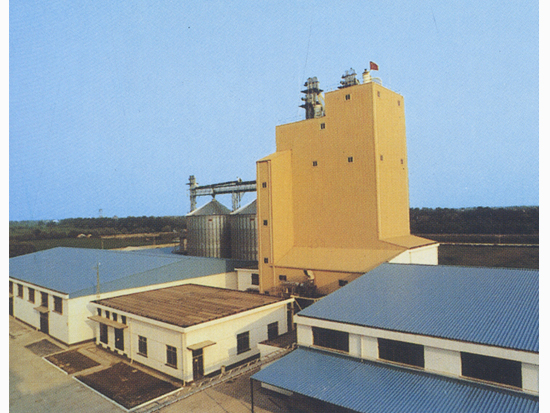
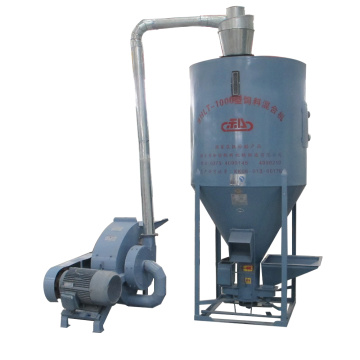
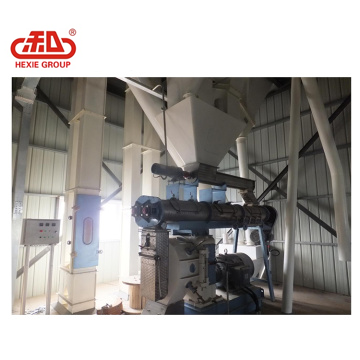
The feed milling process—specifically grinding, conditioning, pelleting, and cooling—dictates the physical quality and safety of the final product.
During conditioning, steam is injected to gelatinize starches and eliminate pathogens like Salmonella. If temperatures are too low, pathogens survive; if too high, heat-sensitive vitamins and enzymes are destroyed. Following extrusion or pelleting, the feed must be properly cooled. Rushed cooling leaves residual heat and moisture, which leads to condensation inside the packaging and rapid spoilage during ocean freight.
Need to verify a feed mill's processing capabilities and quality management systems? Merhein can evaluate their facilities before you place an order.
Talk to our teamTo mitigate these risks, implement systematic Quality Control & Inspection. In-line inspections should verify pellet durability and cooling temperatures, while pre-shipment checks must confirm packaging integrity (e.g., woven PP bags with PE liners) and accurate labeling.
Compliance, Testing, and Certifications
Animal feed is subject to intense regulatory scrutiny. Depending on your destination market, importing feed without proper documentation can lead to immediate customs rejection or destruction of goods.
Never rely solely on a supplier's internal certificate of analysis (COA). Independent, third-party Compliance & Testing is mandatory for every batch.
Standard vs. Comprehensive Feed Testing
Advantages
- Standard testing covers basic macro-nutrients (Protein, Fat, Fiber, Moisture).
- Comprehensive testing screens for heavy metals (Lead, Cadmium, Arsenic).
- Comprehensive testing detects critical mycotoxins (Aflatoxin, Deoxynivalenol, Zearalenone).
- Comprehensive testing verifies the absence of Salmonella and E. coli.
Disadvantages
- Standard testing fails to detect adulterants or micro-toxins.
- Comprehensive testing adds lead time and requires specific laboratory coordination.
Ensure your manufacturing partners hold relevant, verifiable certifications such as GMP+, FAMI-QS, or ISO 22000. Conducting thorough Factory Audits is the most reliable way to confirm that a supplier's raw material sourcing and traceability systems meet international standards.
MOQs, Pricing, and Lead Times
Because animal feed is a high-volume, low-margin commodity, pricing is heavily dictated by global raw material indices (corn, soy, fishmeal) and freight costs.
Struggling to manage volatile raw material pricing and freight costs? Let Merhein optimize your feed supply chain and negotiate better terms.
Get a free consultationWhen negotiating pricing, clarify the exact packaging requirements. Bulk loading (in bulk liners or jumbo bags) reduces material costs but requires specialized receiving infrastructure, whereas 25kg or 50kg woven bags are standard for distributor networks but incur higher labor and material costs at the factory.
Securing a reliable supply of bulk animal feed requires moving past surface-level pricing and rigorously managing the technical specifications, factory processes, and regulatory testing. By tightening your quality control protocols and verifying supplier capabilities upfront, you can build a resilient supply chain that delivers consistent nutrition and protects your bottom line.
Get Sourcing Help for Animal Feed
Tell us your requirements and our experts will connect you with verified manufacturers.