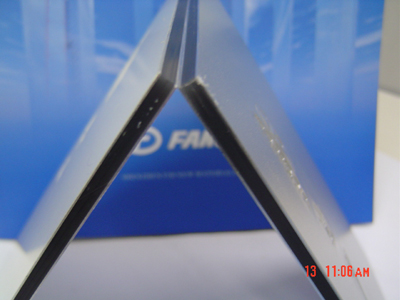
Aluminum Composite Panels
Source premium Aluminum Composite Panels directly from vetted manufacturers and wholesale suppliers. Tailored for importers, distributors, and construction brands, our network supports bulk procurement, custom specifications, and OEM production runs. Connect with reliable factories for competitive pricing and consistent quality.
Aluminum composite panels (ACP) offer an exceptional strength-to-weight ratio for architectural cladding, commercial signage, and interior partitions. However, sourcing reliable ACP in high volumes requires strict attention to raw material grades, core composition, and coating consistency. A minor deviation in aluminum skin thickness or adhesive film quality on the factory floor can lead to catastrophic delamination, color fading, or failed fire inspections in the field.
Critical Specifications for Bulk Orders
When negotiating with manufacturers, defining the exact specifications of the panel is non-negotiable. Imprecise technical sheets often result in factories substituting lower-grade materials to improve their margins.
- Aluminum Skin Thickness: The structural integrity of the panel heavily depends on the aluminum sheets. Thicknesses range from 0.12mm for temporary signage up to 0.50mm for high-rise exterior cladding. Ensure the factory guarantees the true thickness of the aluminum base, excluding the coating layer.
- Core Material Composition: Standard panels utilize a Low-Density Polyethylene (LDPE) core. For building facades, regulatory compliance usually dictates a Fire Retardant (FR) core, which replaces a significant portion of the polyethylene with non-combustible mineral compounds (like aluminum hydroxide).
- Adhesive Film: The macromolecular adhesive film bonds the aluminum skin to the core. Inferior adhesives are the primary cause of panel delamination under thermal stress.
| Specification | PE (Polyester) Coating | PVDF Coating |
|---|---|---|
| Primary Application | Interiors, temporary signage | Exterior facades, curtain walls |
| Expected Lifespan | 5 to 10 years | 15 to 20+ years |
| UV & Weather Resistance | Moderate | Exceptional |
| Flexibility | High (easier to bend) | Moderate (harder finish) |
Need to secure consistent PVDF coating quality and verified FR cores for your next commercial project? We can manage the factory verification and production oversight.
Talk to our teamManufacturing Risks and Quality Control
Producing ACP is a continuous lamination process. Temperature fluctuations during extrusion or lamination will severely impact the final product. Relying on end-of-line checks is often too late; active Quality Control & Inspection during the lamination phase is highly recommended.
Key Inspection Points for ACP Shipments
- Coating thickness verification (using a digital coating thickness gauge, typically 16-18 microns for PE and 25-35 microns for PVDF).
- T-bend testing to ensure the paint does not crack or peel under stress.
- Peel strength testing to verify the bond between the aluminum skin and the core material.
- Visual inspection for batch-to-batch color consistency, especially for metallic finishes.
- Dimensional tolerance checks for length, width, and diagonal squareness.
For exterior cladding materials, verifying the factory's certifications is critical. Many suppliers claim to produce B1 or A2 fire-rated panels, but independent Compliance & Testing is essential to ensure the panels meet standards like EN 13501-1 or ASTM E84 before they leave the country of origin.
Sourcing Mechanics: Pricing, MOQs, and Lead Times
ACP pricing is highly volatile, driven primarily by the global spot price of aluminum ingots, followed by the cost of petroleum-based core materials and specialized coatings.
Suppliers often quote lower prices by reducing the aluminum skin thickness by 0.02mm to 0.05mm or by using recycled plastics in the core, which can introduce impurities and weaken the panel. Conducting thorough Factory Audits prior to placing a deposit is the most effective way to confirm a manufacturer's actual production capabilities and raw material sourcing practices.
Stop losing margins to unexpected material downgrades. Let us secure your pricing and enforce strict quality standards directly with the manufacturer.
Get a free consultationFrequently Asked Questions
Successfully importing aluminum composite panels at scale requires balancing aggressive pricing with uncompromising structural and safety standards. By strictly defining your specifications and enforcing them through proactive factory oversight, you can eliminate the costly surprises that plague unmanaged supply chains.
Get Sourcing Help for Aluminum Composite Panels
Tell us your requirements and our experts will connect you with verified manufacturers.