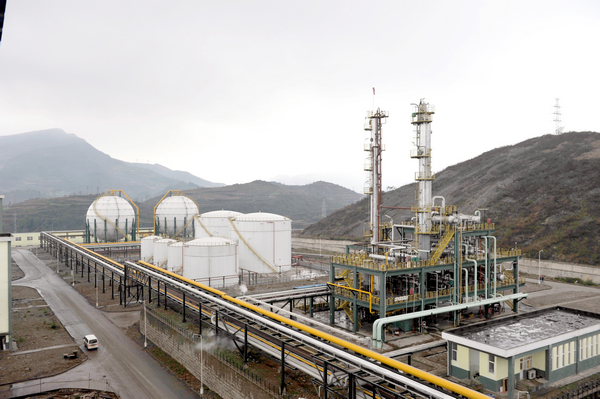
Alcohols, Hydroxybenzene & Ethers
Source high-purity alcohols, hydroxybenzene, and ethers directly from vetted manufacturers and suppliers in Asia. Built for chemical importers, wholesalers, distributors, and procurement teams buying in bulk, our platform connects you with reliable factories capable of meeting strict industrial, pharmaceutical, and cosmetic grade requirements.
Sourcing basic organic chemicals like industrial alcohols, phenols (hydroxybenzene), and ethers requires strict adherence to purity standards, moisture limits, and safe handling protocols. Whether you are procuring solvents for industrial coatings, intermediates for pharmaceutical synthesis, or raw materials for chemical manufacturing, securing a reliable supply chain means looking past the quoted price per metric ton. Success depends on verifying factory capabilities, ensuring consistent batch-to-batch quality, and navigating complex hazardous material logistics.
Critical Specifications & Purity Grades
When negotiating with chemical manufacturers, vague specifications lead to rejected shipments. Facilities producing these organic compounds often run multiple grades on the same equipment. You must clearly define your requirements to avoid receiving a technical grade when you need a high-purity reagent.
Key parameters to specify include:
- Assay/Purity: Typically expressed as a minimum percentage (e.g., 99.5 percent or 99.9 percent minimum).
- Moisture Content: Water is a common contaminant in alcohols and ethers due to their hygroscopic nature. Specify acceptable limits, usually measured in parts per million (ppm) or a maximum percentage (e.g., under 0.1 percent).
- Color (APHA/Hazen): Crucial for cosmetics or clear coatings where discoloration indicates impurities or oxidation.
- Distillation Range: A narrow distillation range confirms the absence of closely related organic impurities.
Struggling to find manufacturers that consistently meet your purity specifications? Let us match you with vetted chemical facilities.
Talk to our chemical sourcing teamManufacturing & Quality Control
The primary risk when importing bulk organic chemicals is cross-contamination. This can happen during synthesis, but it frequently occurs during storage and drumming if the factory does not properly flush lines and tanks between runs.
To mitigate these risks, professional buyers rely on rigorous quality control and inspection protocols before the product ever leaves the facility. Relying solely on a supplier-provided Certificate of Analysis (COA) is a common, and sometimes costly, mistake.
Pre-Shipment Quality Verification
- Independent Certificate of Analysis (COA) matching the specific batch being shipped
- Gas Chromatography (GC) test results for precise purity and impurity profiling
- Karl Fischer titration results for accurate moisture content verification
- Visual inspection of drums or IBCs for leaks, rust, or compromised seals
- Verification of UN-approved packaging and correct hazmat labeling
For sensitive applications, conducting factory audits is highly recommended. An audit verifies that the manufacturer has the proper ISO certifications (such as ISO 9001 for quality management and ISO 14001 for environmental management) and dedicated storage tanks for high-purity grades.
Packaging and Logistics Strategy
Alcohols, hydroxybenzene, and ethers are often volatile, flammable, or toxic. Proper packaging is not just a matter of preference; it is dictated by international maritime regulations (IMDG Code). Your choice of packaging impacts your minimum order quantity, freight costs, and unloading capabilities at your destination.
| Packaging Type | Typical Volume | Best For |
|---|---|---|
| ISO Tank | 20,000 to 24,000 Liters | Large-scale bulk import; offers the lowest freight cost per liter. |
| IBC Tote | 1,000 Liters | Medium volume; easier localized distribution and handling. |
| Steel/Plastic Drums | 200 to 250 Liters | High-purity grades; specialized handling and smaller batch distribution. |
Because these are classified as hazardous materials (Dangerous Goods), booking vessel space requires specialized handling. Working with a partner experienced in shipping and freight for chemicals ensures your documentation (MSDS, DG declarations) is flawless, preventing costly delays at the port of loading or destination customs.
Pricing, MOQs, and Lead Times
Chemical pricing is inherently volatile, tied directly to upstream feedstock costs (like crude oil and coal) and regional energy prices.
When comparing quotes, ensure you are comparing on equal terms (e.g., FOB vs. CIF) and that the quote includes the cost of export packaging and hazmat handling fees. Spot buying leaves you vulnerable to market swings, whereas establishing a relationship with a reliable manufacturer can secure more stable, index-linked pricing.
Need to stabilize your chemical supply chain? We negotiate bulk contracts and manage logistics for complex chemical imports.
Get a free consultationFrequently Asked Questions
Securing a reliable supply of basic organic chemicals requires technical diligence and logistical expertise. By defining strict specifications, verifying batch quality before shipment, and managing the complexities of hazmat freight, you can build a resilient and cost-effective chemical supply chain.
Get Sourcing Help for Alcohols, Hydroxybenzene & Ethers
Tell us your requirements and our experts will connect you with verified manufacturers.