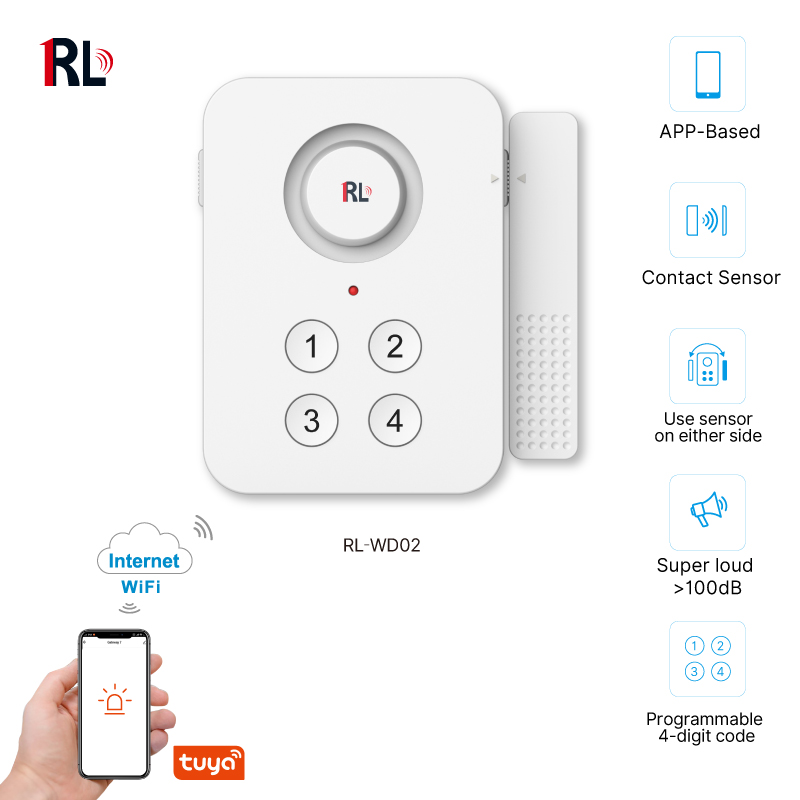
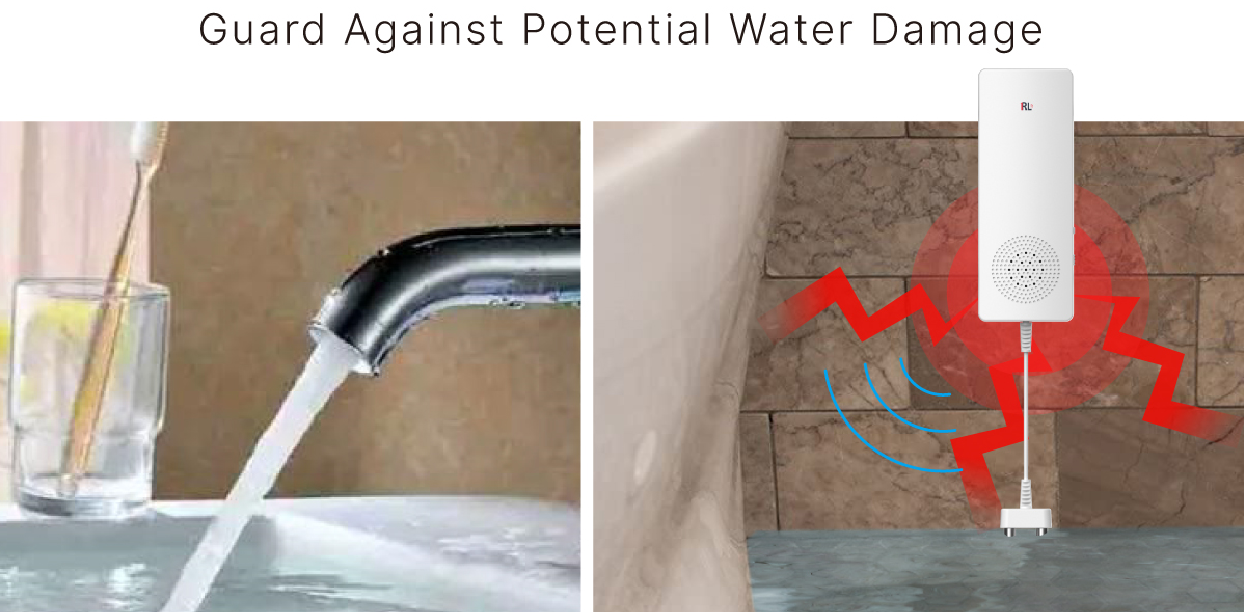
Alarm Systems
Source commercial and residential alarm systems directly from vetted Chinese manufacturers and suppliers. Designed for security distributors, wholesalers, and brands seeking reliable OEM/ODM production, our factory-direct sourcing ensures competitive bulk pricing and strict compliance with international security standards.
Sourcing alarm systems at scale requires balancing hardware durability with software stability. In consumer electronics, a minor failure rate is an annoyance; in the security industry, it is a critical liability. When importing alarm control panels, sensors, and sirens, your procurement strategy must prioritize component-level reliability, protocol compatibility, and rigorous factory-level testing to prevent false alarms and ensure consistent performance in the field.
Critical Specifications to Define
When negotiating with manufacturers, vague specifications lead to inconsistent product batches. Security hardware requires exact definitions of internal components, especially the Microcontroller Unit (MCU) and the communication modules.
Key Hardware Specifications to Mandate
- MCU Architecture: Specify the exact chipset (e.g., STMicroelectronics, NXP, or approved domestic equivalents) to ensure processing stability.
- Communication Modules: Define the required standards (e.g., 4G LTE bands specific to your target market, Zigbee 3.0, Z-Wave Plus, or dual-band WiFi).
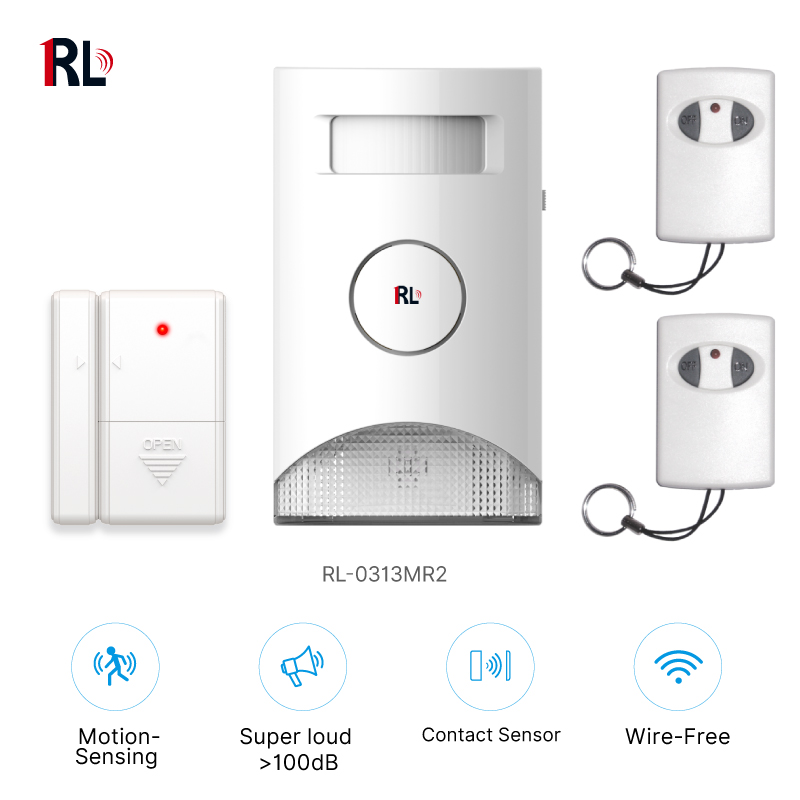
- Sensor Sensitivity: Mandate adjustable sensitivity thresholds for PIR (Passive Infrared) sensors to mitigate false alarms from pets or HVAC drafts.
- Battery Backup: Specify the capacity (mAh) and chemistry (e.g., Li-ion or LiFePO4) for control panels, requiring a minimum of 12 to 24 hours of standby power.
- Siren Decibel Output: Ensure sirens meet local regulatory minimums (typically 85dB to 105dB at 1 meter) under battery power, not just AC power.
Need help vetting factories capable of meeting strict security hardware specifications? Our engineering team can evaluate supplier capabilities on your behalf.
Discuss your technical requirementsProtocol Architecture & Ecosystem Integration
The value of a modern alarm system lies in its connectivity. Manufacturers typically offer either proprietary closed-loop systems or open-ecosystem platforms (like Tuya). For brands looking to build a cohesive smart home security line, choosing the right communication architecture is paramount.
| Architecture | Stability | Integration Flexibility | Typical Use Case |
|---|---|---|---|
| Proprietary RF (433/868MHz) | High (low interference) | Low (closed ecosystem) | Traditional standalone residential alarms |
| Zigbee / Z-Wave | High (mesh network) | High | Smart home integrated security kits |
| WiFi (2.4GHz/5GHz) | Moderate (router dependent) | High (direct to cloud) | Budget DIY consumer systems |
| Cellular (4G/LTE/5G) | Very High (independent) | Moderate | Commercial and high-security residential |
If you are developing a custom app interface or requiring specific firmware behavior, utilizing OEM/ODM Services ensures the factory’s R&D team aligns the hardware with your software requirements before mass production begins.
Manufacturing Quality & Factory Floor Realities
The reliability of an alarm system is won or lost on the Surface Mount Technology (SMT) line and in the testing chambers. High false-alarm rates are often the result of poor soldering, inadequate shielding against electromagnetic interference (EMI), or skipped aging tests.
Before committing to a supplier, ensure they perform 100 percent functional testing on the assembly line, not just statistical sampling. Critical tests include:
- Burn-in / Aging Tests: Control panels should undergo continuous operation at elevated temperatures (often 40°C to 50°C) for a minimum of 24 to 48 hours to weed out early component failures.
- EMI/RFI Testing: Sensors must be shielded and tested against radio frequency interference to prevent false triggers from nearby cell phones or routers.
- Environmental Chambers: Outdoor sirens and perimeter sensors require testing against humidity and temperature extremes to verify IP65 or IP67 ratings.
Implementing independent Quality Control & Inspection prior to shipment is essential to verify that the factory has not swapped approved components for cheaper alternatives during the production run.
Realistic Pricing, MOQs, and Lead Times
Pricing for alarm systems varies drastically based on the communication modules (cellular modules add significant cost) and the number of peripheral sensors included in a kit.
Regulatory Compliance Costs
Security equipment requires strict regional certifications (e.g., FCC for the US, CE/EN 50131 for Europe). Never assume a factory's existing certificates cover your specific OEM configuration.
If your target market requires stringent regulatory adherence, leveraging professional Compliance & Testing services ensures your imported goods will not be detained at customs or face liability issues post-sale.
Optimize your security product supply chain. We negotiate pricing, manage factory relationships, and oversee quality control from component sourcing to final shipment.
Talk to our sourcing teamFrequently Asked Questions
Successfully sourcing bulk alarm systems requires moving beyond superficial aesthetic choices and deeply evaluating a manufacturer's electronic engineering capabilities. By defining strict component standards and enforcing rigorous testing protocols, you can build a highly profitable, reliable security product line.
Get Sourcing Help for Alarm Systems
Tell us your requirements and our experts will connect you with verified manufacturers.