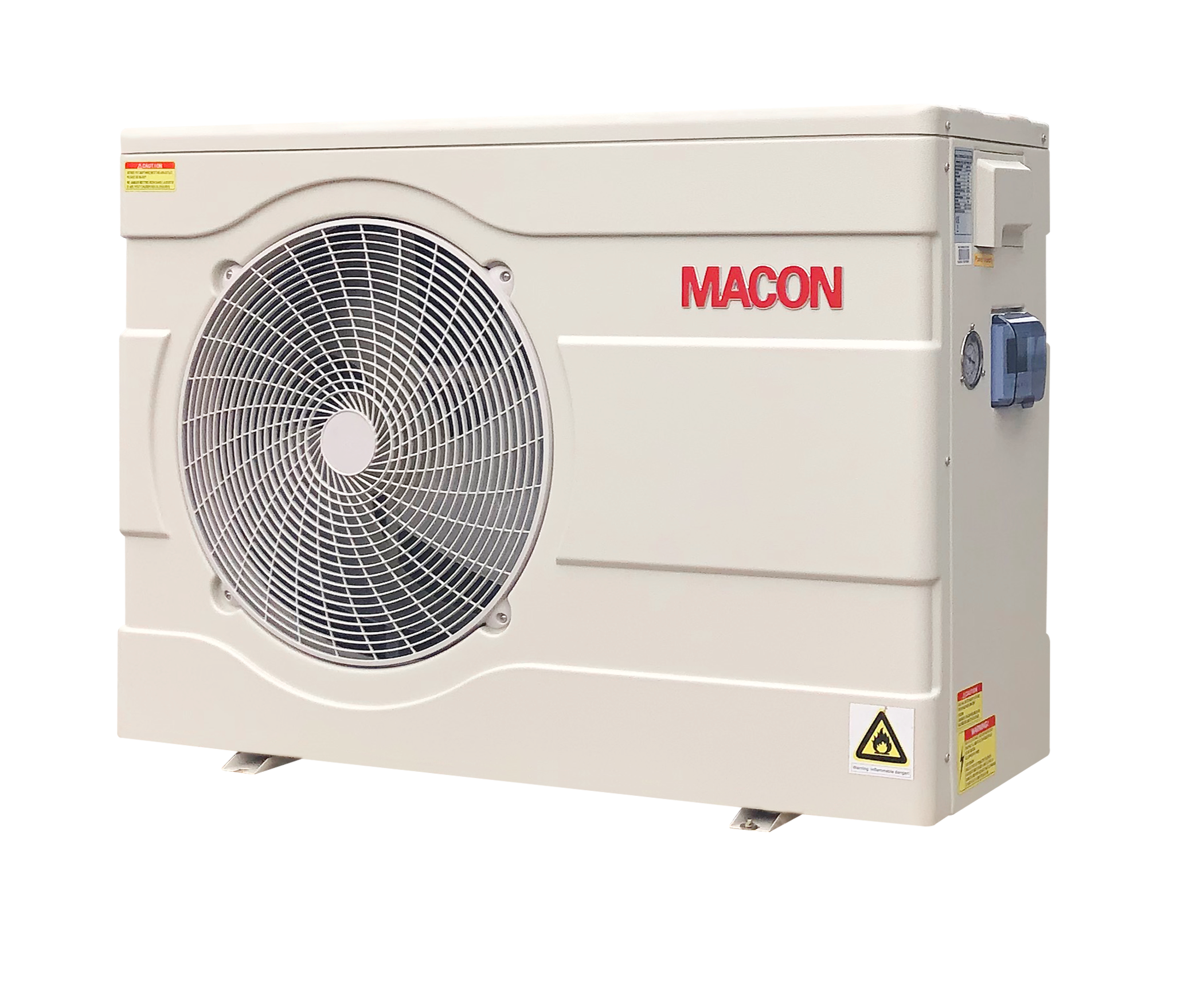
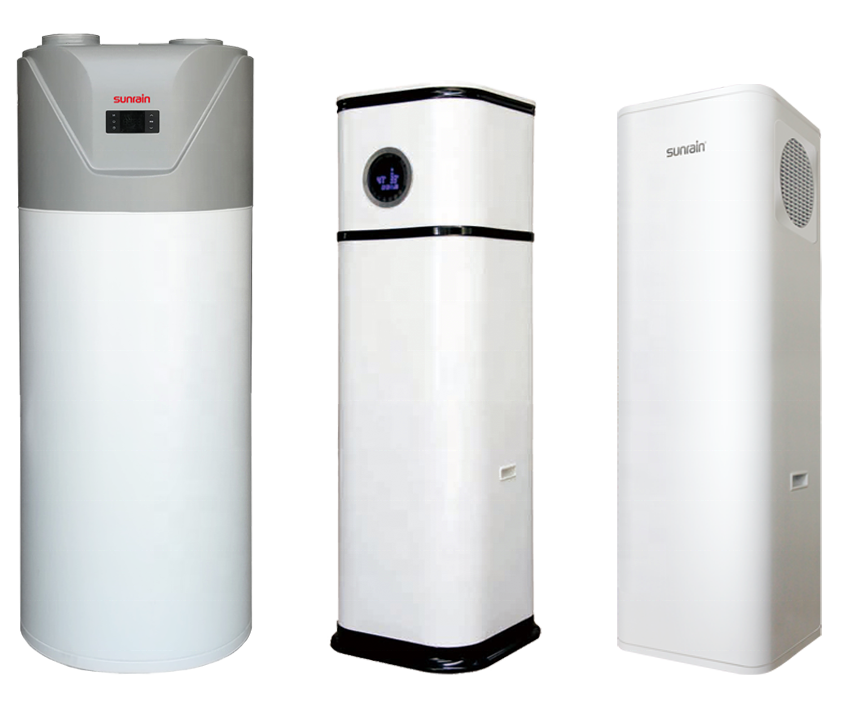
Air Source Heat Pump Water Heater
Source commercial and residential Air Source Heat Pump Water Heaters from vetted suppliers and manufacturers. Designed for importers, HVAC distributors, and brands seeking reliable OEM/ODM production, our catalog connects you with factories capable of high-volume manufacturing and strict international compliance.
Sourcing air source heat pump (ASHP) water heaters at scale requires navigating a complex matrix of energy efficiency regulations, refrigerant phase-downs, and component reliability. For HVAC distributors and procurement managers, the difference between a profitable product line and a warranty nightmare lies entirely in how the factory manages thermal dynamics, compressor selection, and final assembly testing.
To import successfully, you must look past the spec sheet and evaluate the manufacturer's supply chain maturity and quality control infrastructure.
Critical Specifications and Component Quality
The core performance of an air source heat pump water heater is dictated by its Coefficient of Performance (COP), which is heavily dependent on the compressor, the heat exchanger design, and the refrigerant used. When negotiating with manufacturers, these are the primary components that dictate both unit cost and operational lifespan.
Key Component Specifications to Verify
- Compressor Brand & Type: Specify tier-one rotary or scroll compressors (e.g., Panasonic, Mitsubishi, Copeland) with DC inverter technology for optimal efficiency.
- Evaporator Coil Coating: Ensure hydrophilic aluminum fins are used to accelerate defrosting cycles in lower ambient temperatures.
- Heat Exchanger Material: For units with integrated tanks, specify SUS316L or duplex stainless steel for areas with hard water, or double-wall copper for standard applications.
- Expansion Valves: Electronic Expansion Valves (EEV) should be standard over capillary tubes for precise refrigerant flow control across varying ambient temperatures.
The Refrigerant Transition
Global regulations (like the EU F-Gas Regulation and US AIM Act) are forcing a rapid shift in refrigerants. Sourcing legacy R410A or R134a units presents a massive compliance risk for long-term product lines. You must ensure the factory has the capability to handle low-GWP (Global Warming Potential) refrigerants.
| Refrigerant | GWP | Efficiency Profile | Factory Requirements |
|---|---|---|---|
| R134a / R410A | 1430 / 2088 | Moderate | Standard legacy assembly lines (high phase-out risk) |
| R32 | 675 | High | Upgraded ventilation and leak detection on the line |
| R290 (Propane) | 3 | Excellent | ATEX-certified, explosion-proof manufacturing environments |
Need help finding factories certified for R290 production? We can vet their assembly lines for compliance.
Talk to our teamManufacturing and Quality Control Realities
Quality is won or lost on the factory floor. Many assemblers buy off-the-shelf components, bolt them together, and ship them out. A tier-one manufacturer, however, maintains strict in-house testing protocols. When conducting Factory Audits, the presence and calibration of specific testing equipment is the primary indicator of a supplier's capability.
Helium Leak Testing
The refrigerant circuit must be tested in a vacuum chamber with helium, which detects micro-leaks far better than traditional halogen sniffers or water baths.
Electrical Safety & Hipot
High potential (Hipot) testing ensures the insulation of the compressor and internal wiring can withstand voltage spikes without grounding out to the casing.
Enthalpy Laboratory Testing
The factory must have an in-house enthalpy lab to test COP and heating capacity under strict environmental conditions (e.g., EN 14511 standards at A7/W35 or A15/W55).
Vibration & Run Testing
Every unit should undergo a 30 to 45-minute active run test on the line to monitor compressor acoustics, vibration, and initial heat transfer rates.
Relying solely on the factory's internal QA is risky. Implementing independent Quality Control & Inspection before shipment ensures that the units packed match the approved golden sample, particularly regarding controller firmware and refrigerant charge weight.
Customization and OEM/ODM Services
Most B2B buyers require some level of customization to fit their market. This ranges from simple private labeling (custom casing colors, branded displays) to deep ODM work involving custom logic boards and smart home integrations (like Tuya or Matter compatibility).
When engaging in OEM/ODM Services, define the controller logic early. Defrost algorithms are notoriously difficult to perfect; a poorly programmed defrost cycle will cause the unit to freeze up in winter conditions, destroying its efficiency rating. Ensure the factory's R&D team has regional climate data to optimize the firmware for your specific target market.
Pricing, MOQ, and Lead Times
Pricing for air source heat pump water heaters is highly volatile, driven by copper and stainless steel commodities, as well as the tier of the compressor specified.
Optimize your container loads and negotiate better terms with tier-one heat pump manufacturers.
Get a free consultationBuyer FAQ
Sourcing commercial-grade HVAC equipment demands rigorous technical oversight. By focusing on component provenance, factory testing infrastructure, and strict compliance with refrigerant regulations, you can build a resilient, high-margin product line that stands up to the demands of your local market.
Get Sourcing Help for Air Source Heat Pump Water Heater
Tell us your requirements and our experts will connect you with verified manufacturers.